


Tobi McIntyre
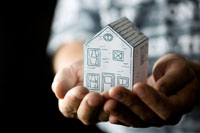 Does your blood pressure rise with energy prices and the thought of heating your home this winter? Instead of pumping money into bills, make your home more efficient this winter.
Four sources of energy-loss in the home can include air drafts, lack of insulation, heating and lighting. Completing and acting on a home energy audit is a small task that can add up and make a big difference. By taking steps to increase home energy efficiency, the average household could save money and reduce carbon emissions — actions that help the environment and wildlife. While habitat loss is currently the largest threat to biodiversity, experts predict climate change will surpass that to become the most prominent factor that threatens wildlife. Even now, the International Union for Conservation of Nature (IUCN) indicates that climate change impacts more than 80% of ecological processes that wildlife and people rely on.
Air drafts
A leaky house can cost you wasted energy each year — a problem that can often be easily fixed. Check any openings to the outside, such as electrical outlets, light-switch plates, window frames and doors, wall or window-mounted air conditioners, pipes, wires and foundation seals. Add the proper sealant and feel the difference! If your windows or doors are in need of replacing, consider updating them with newer, energy-efficient models.
Insulation
Heat may also be escaping through the roof and walls of your home. Building codes and recommendations can vary by location, so it's best to check with local requirements to ensure your home is properly insulated. Be sure to balance insulation needs with the needs for appropriate ventilation and airflow.
Heating and cooling
Ensure any heating or cooling equipment in your home has a yearly inspection. Not only will this improve safety, but a well-tuned furnace or air-conditioner will run more smoothly and require less energy. A furnace can last between 15 and 20 years, perhaps even longer if it’s well maintained. When it comes time to replace your furnace, consider replacing it with a new, energy-efficient model.
Lighting
There are cost-effective actions you can take to reduce the amount of lighting and energy used in your home: Replace old energy-hogging light fixtures for newer energy-efficient lamps, use natural light as much as possible, turn lights off when leaving a room and use dimmers.
Learn more about Energy Efficient Homes >


