


Crossing for Conservation
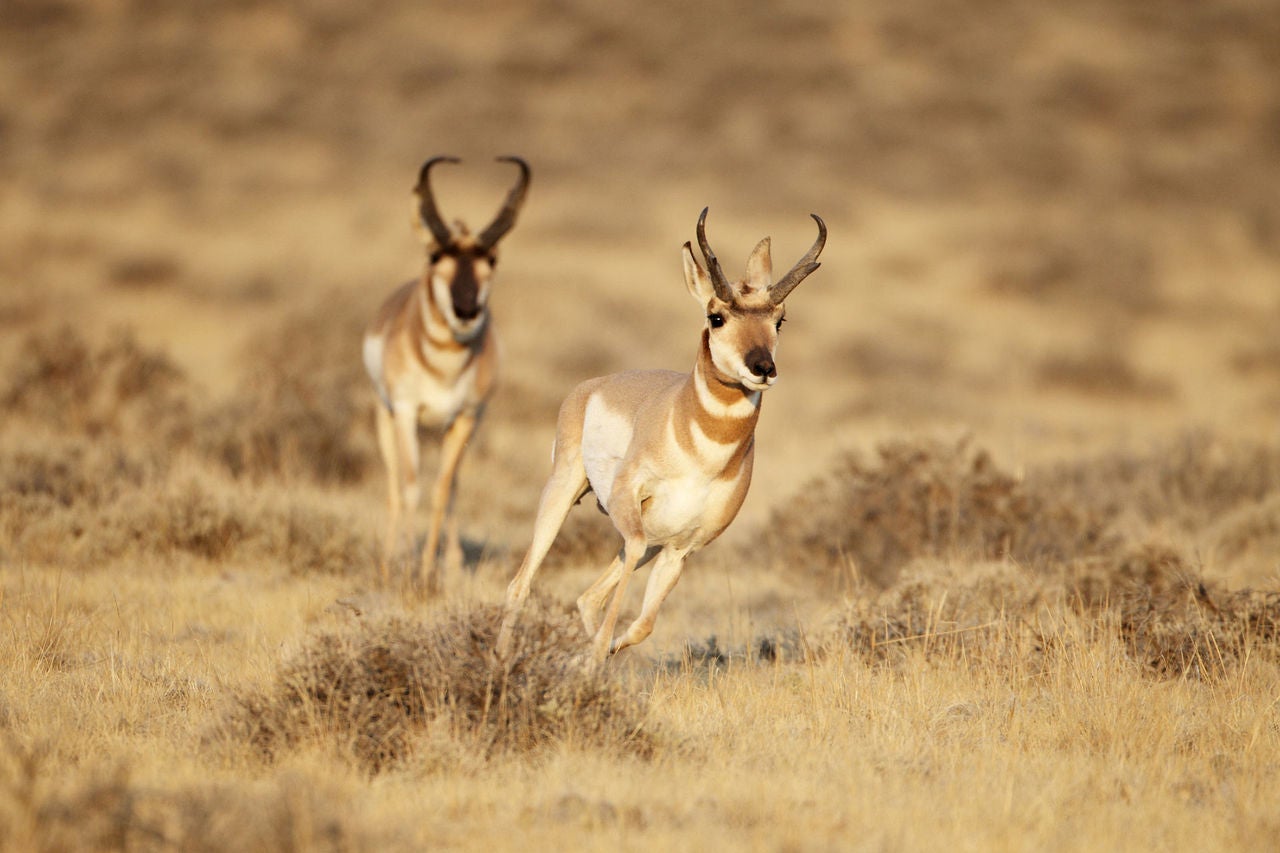
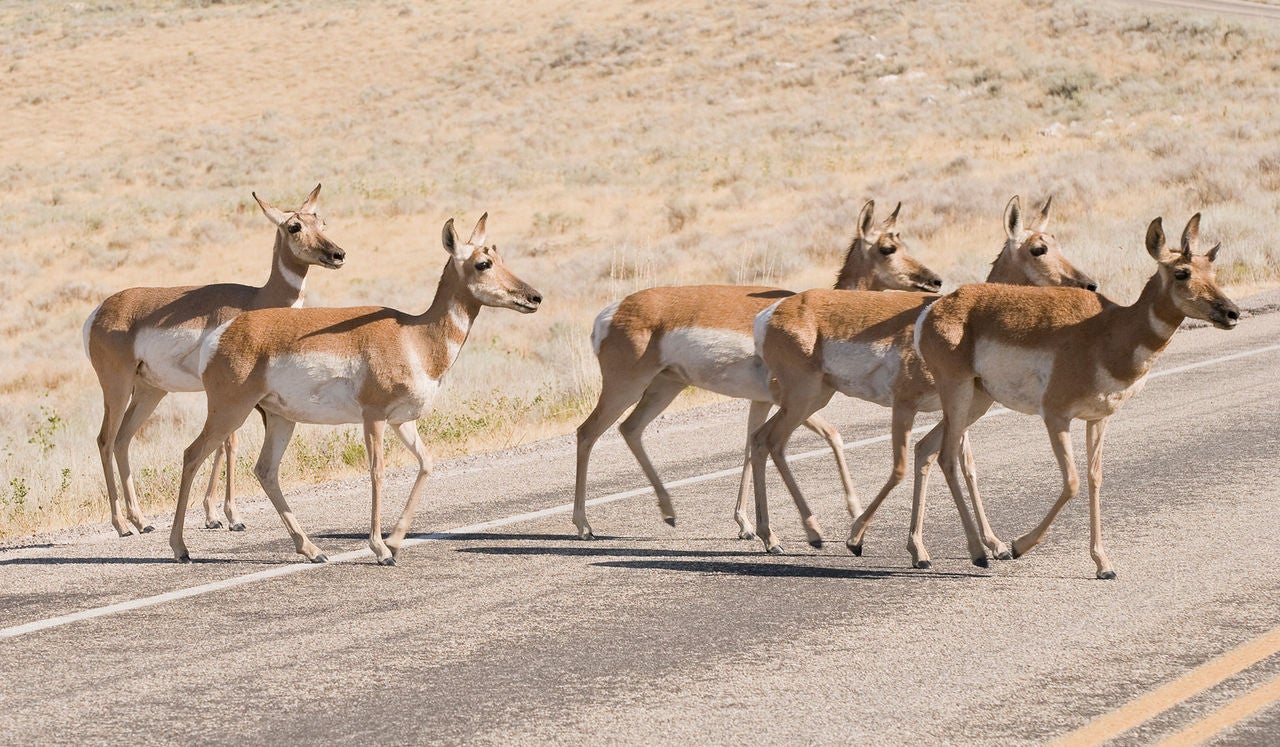
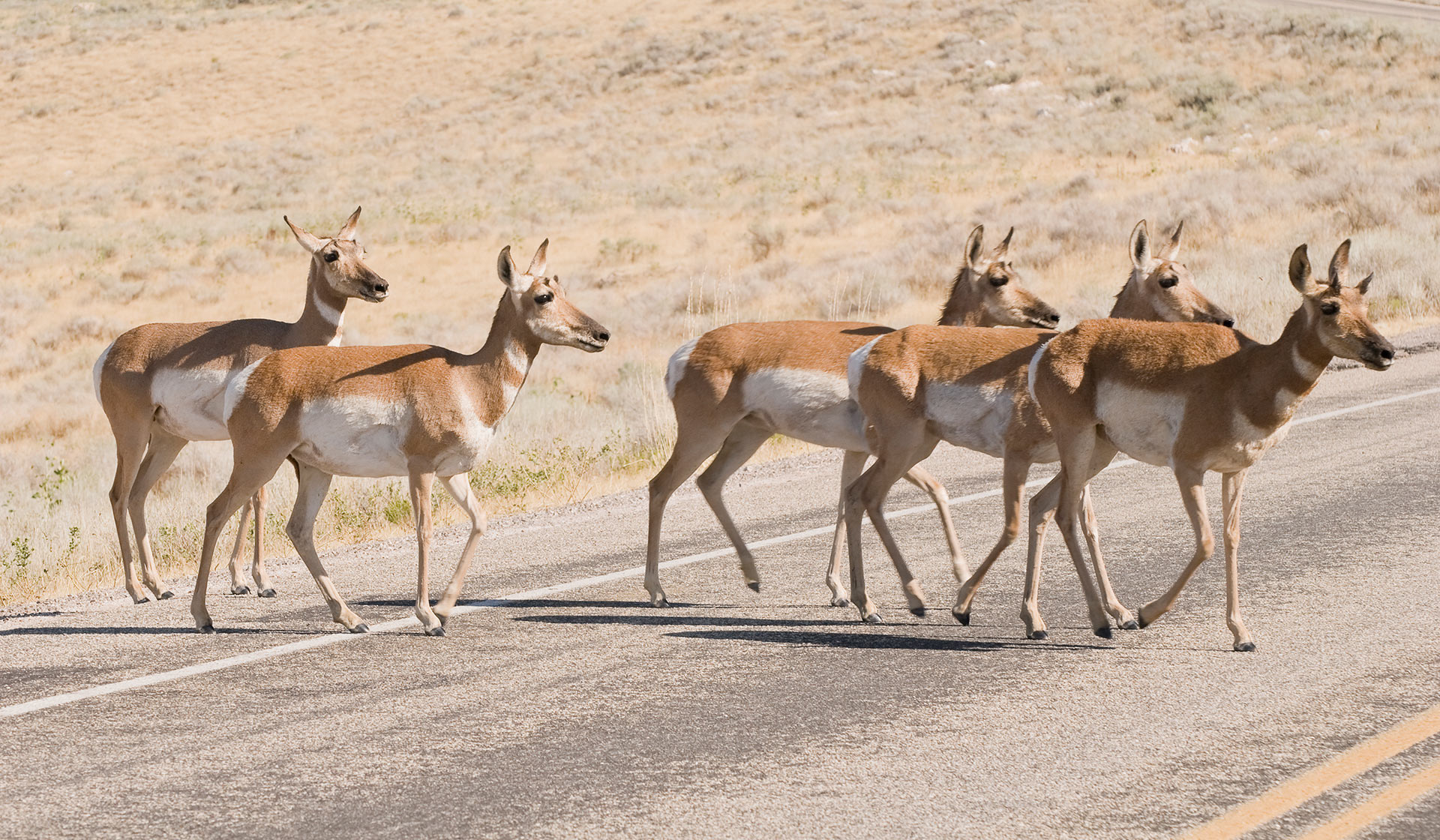
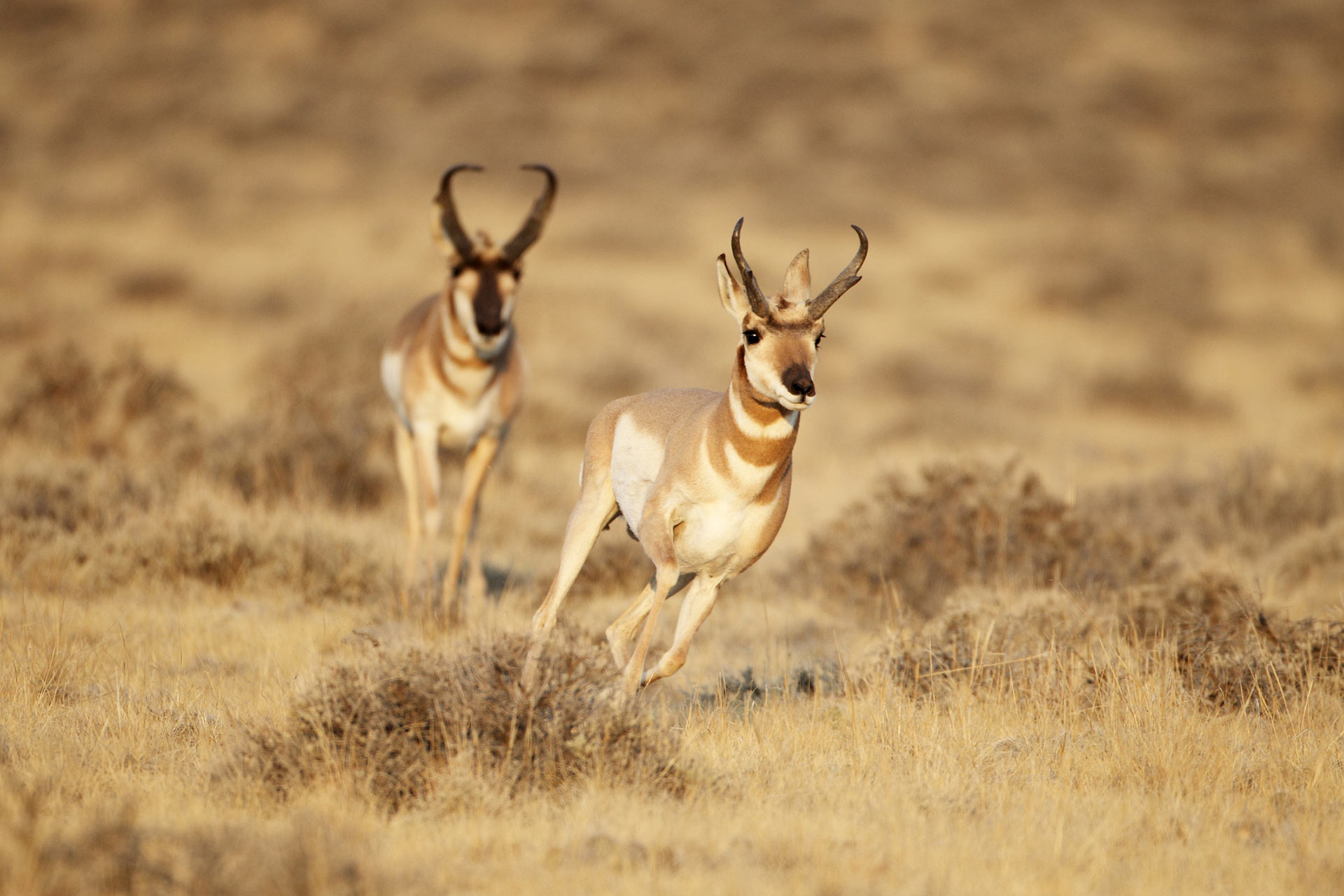
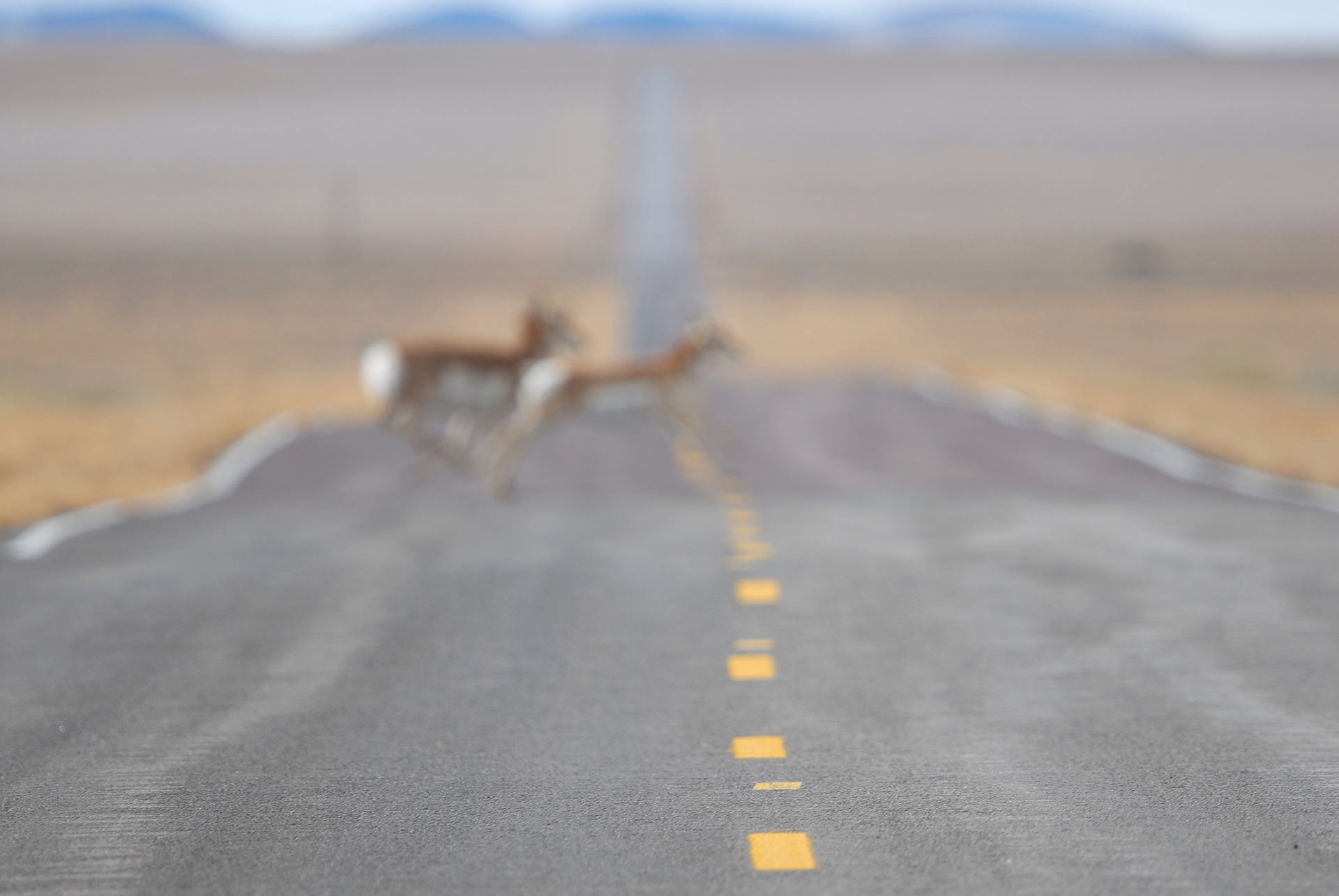
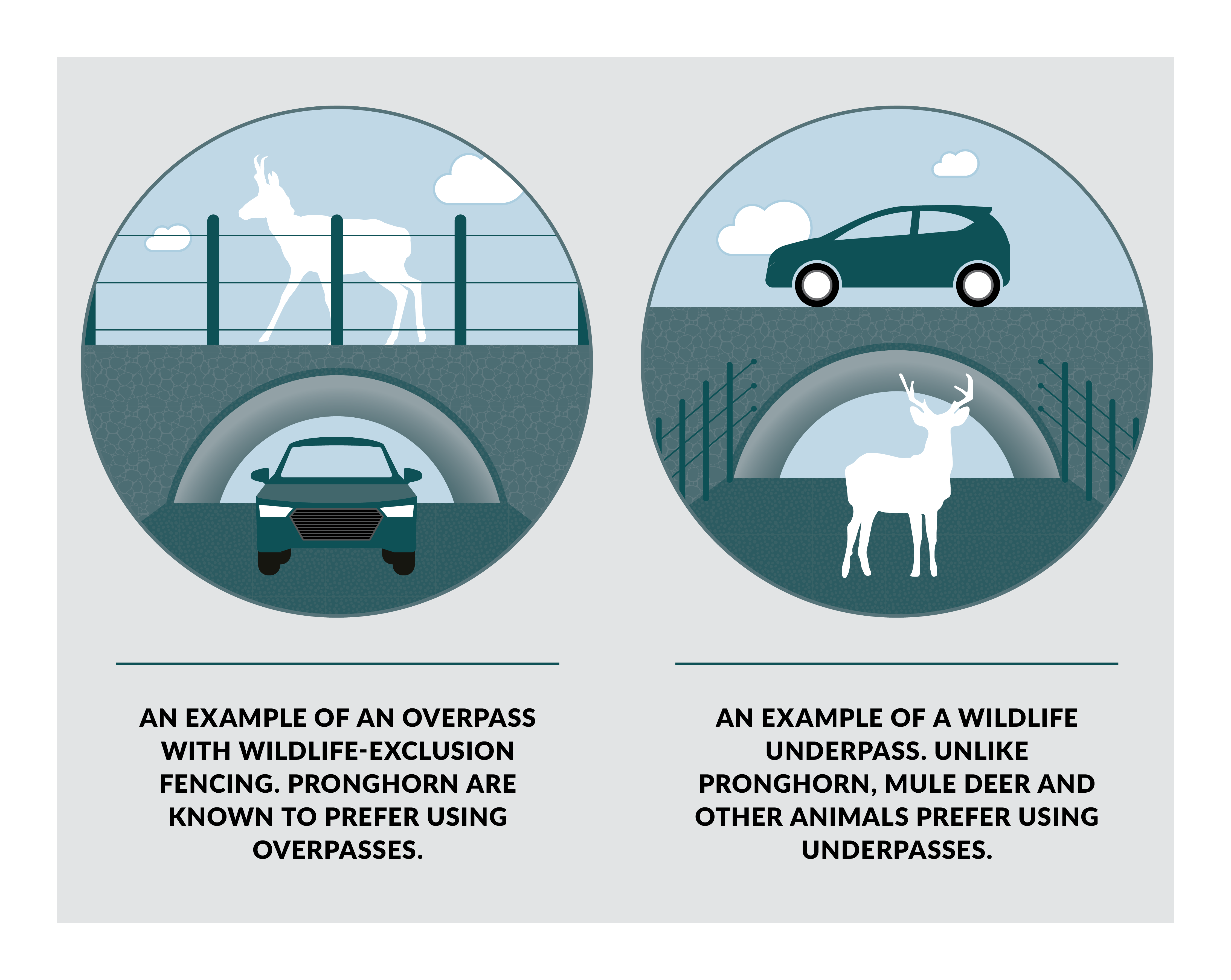
Natural grasslands are among Canada’s most threatened ecosystems. Movement barriers are a serious threat. Barriers, like highways and fences can stop the movements of the only large migrating mammal left on the Great Plains: the Pronghorn. Highways are a triple-threat to Pronghorn. First, Pronghorn are killed and injured on roadways. Second, traffic scares Pronghorn, so they may not approach busy roads at all. Finally, many highways are fenced for cattle, which also stop Pronghorn from getting where they need to go.
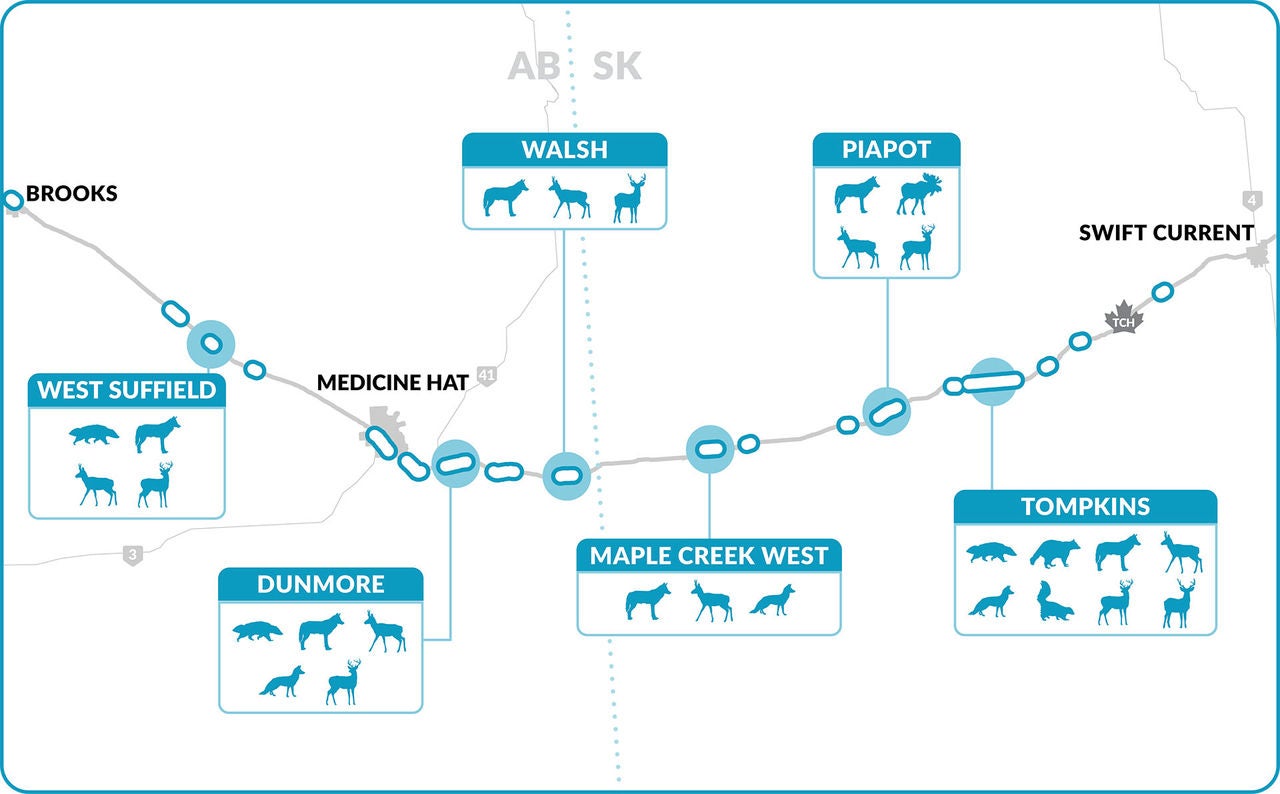
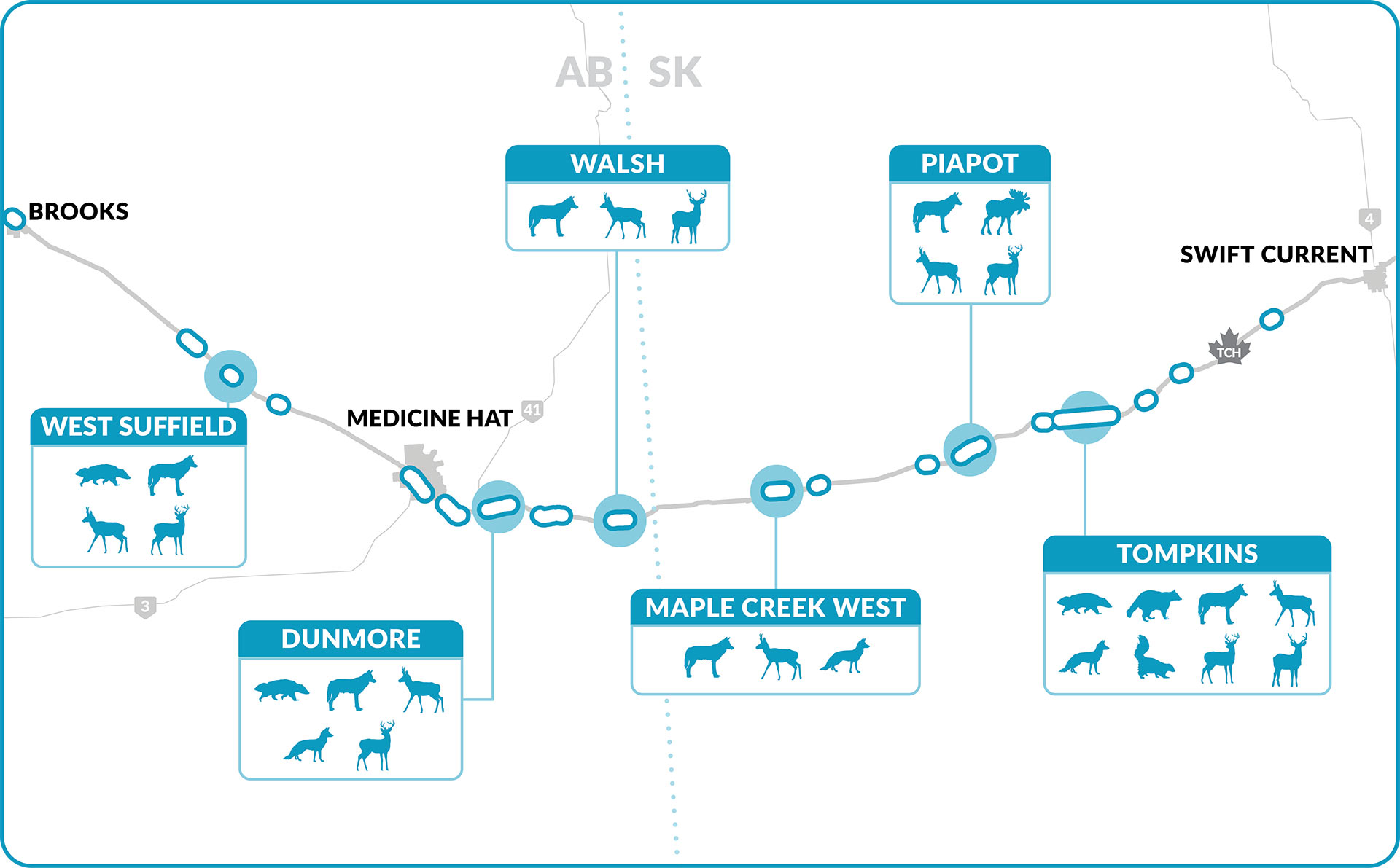
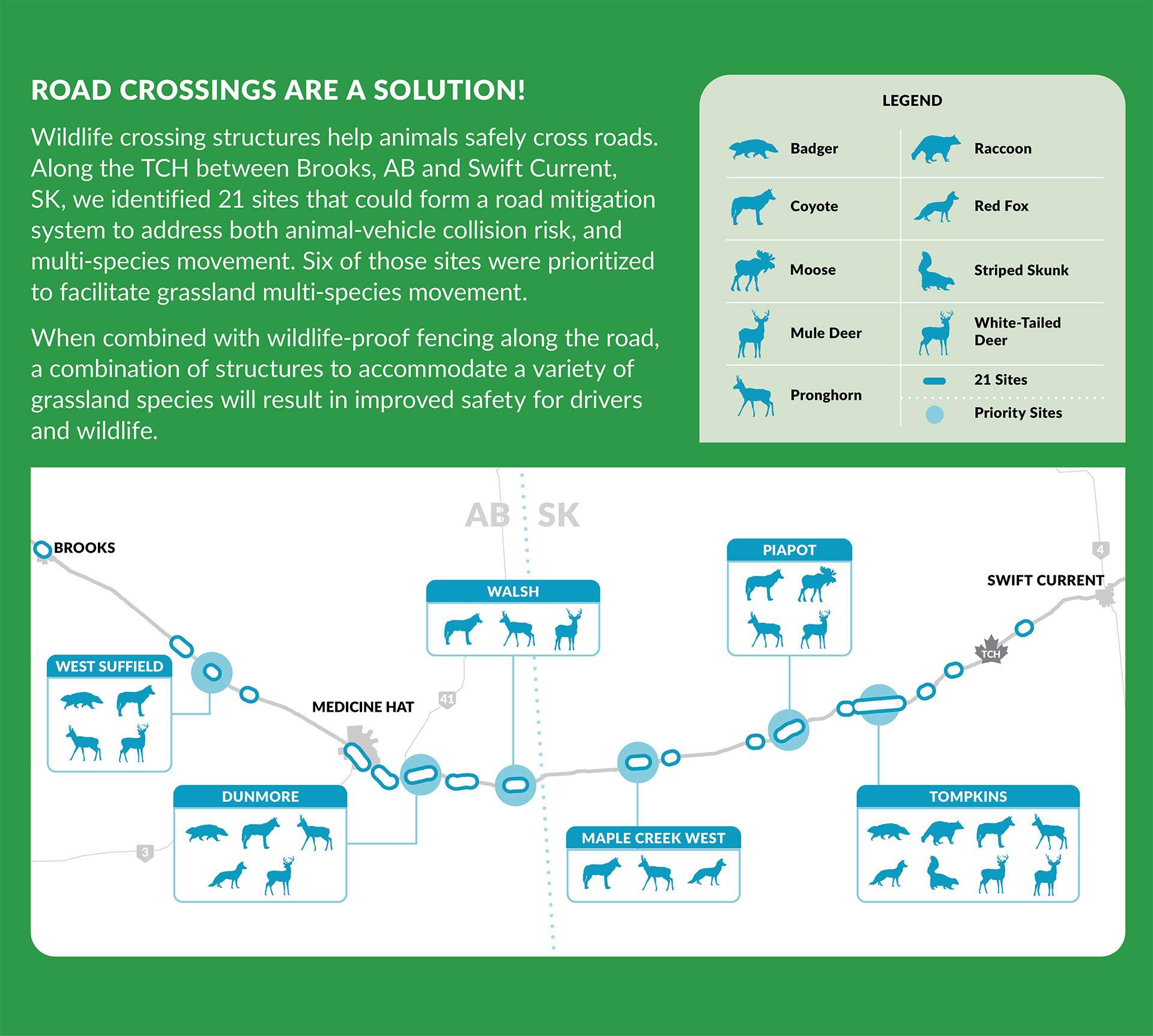
One solution is to build wildlife crossing structures to allow wildlife like pronghorn to cross roads and prevent automobile collisions with wildlife. The Pronghorn Xing project is a collaboration of the Alberta Conservation Association (ACA), the Miistakis Institute, and Canadian Wildlife Federation to identify and promote locations along the Trans-Canada Highway between Brooks, AB and Swift Current, SK. We follow the Pronghorn Connectivity Action Plan, which used citizen science expert data to locate potential crossing locations. Our work considers wildlife movement, motorist safety, and land use to improve both wildlife movement and transportation. If you are interested in learning more, please reach out to us at the CWF, ACA, or Miistakis Institute.
Videos
How This Program Helps
Our highway network is vast and amazing, connecting people and economies across this vast country. Years of research has shown that as much as we need maps to help us navigate our highway network, animals also struggle with our roads. But for wildlife, roads and highways are often barriers to movement, not pathways. CWF is proud to partner with the Alberta Conservation Association and Miistakis Institute on a new project to find solutions to help prairie wildlife navigate one of Canada's busiest highway, the TransCanada.
Key Solution
In the News
-
Efforts continue to save disappearing grasslands
May 20, 2026 - It is the International Year of Rangelands and Pastoralists, and the United Nations-designated year has highlighted that grasslands and rangelands are disappearing at an alarming rate globally.
-
Efforts continue to save disappearing grasslands
May 20, 2026 - It is the International Year of Rangelands and Pastoralists, and the United Nations-designated year has highlighted that grasslands and rangelands are disappearing at an alarming rate globally.
-
The Secret Is Out
February 20, 2026 - When grassland scientists, conservationists, managers and advocates get together, it is like being part of a secret club.
-
Healthy Badgers Means Healthy Grasslands
February 5, 2026 - As Canadian winters deepen, American Badgers are cozy in their winter burrows.
-
Living Lab on the Radio
January 7, 2024 - Listen to their interview here to learn more about participants’ experiences within Living Lab – Central Prairies, and the importance of the project to ranchers, researchers and conservationists alike.
-
Program hopes to prevent pronghorn deaths
November 2, 2023 - Wildlife crossings in the Rockies are a regular sight but a group of conservation and government officials in Alberta and Saskatchewan are looking to install safe areas for migrating pronghorn herds to cross the Trans-Canada Highway.
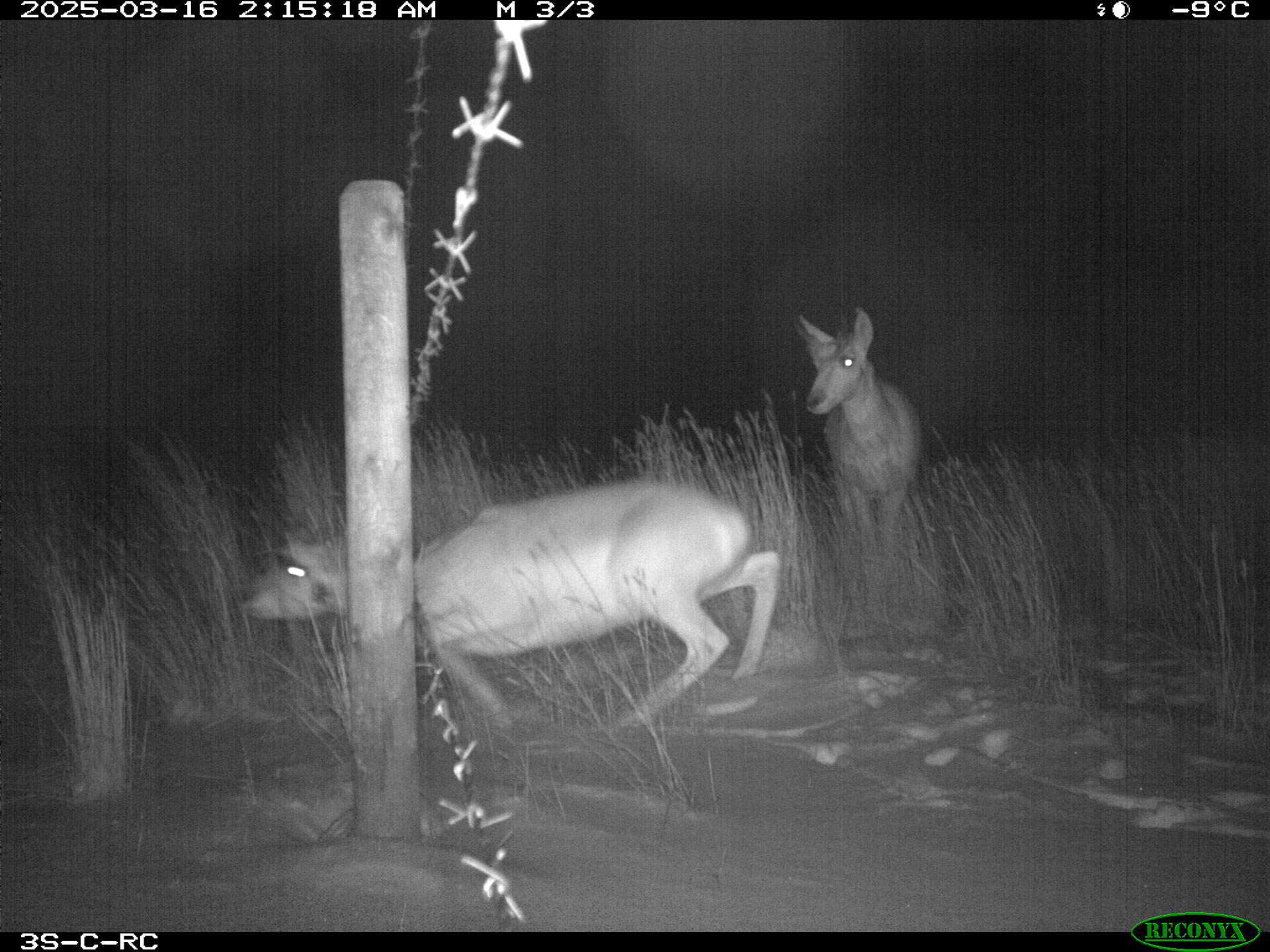
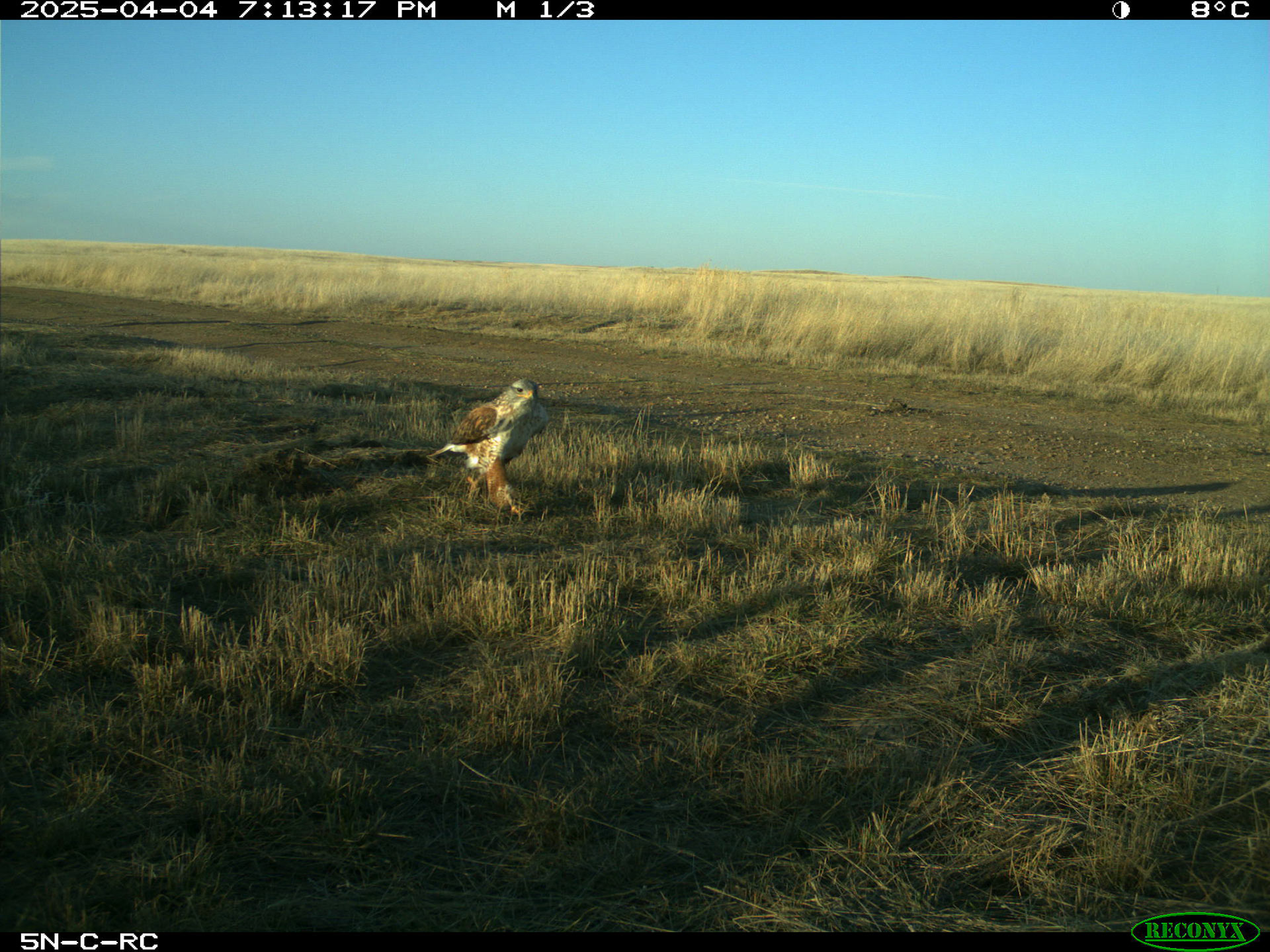
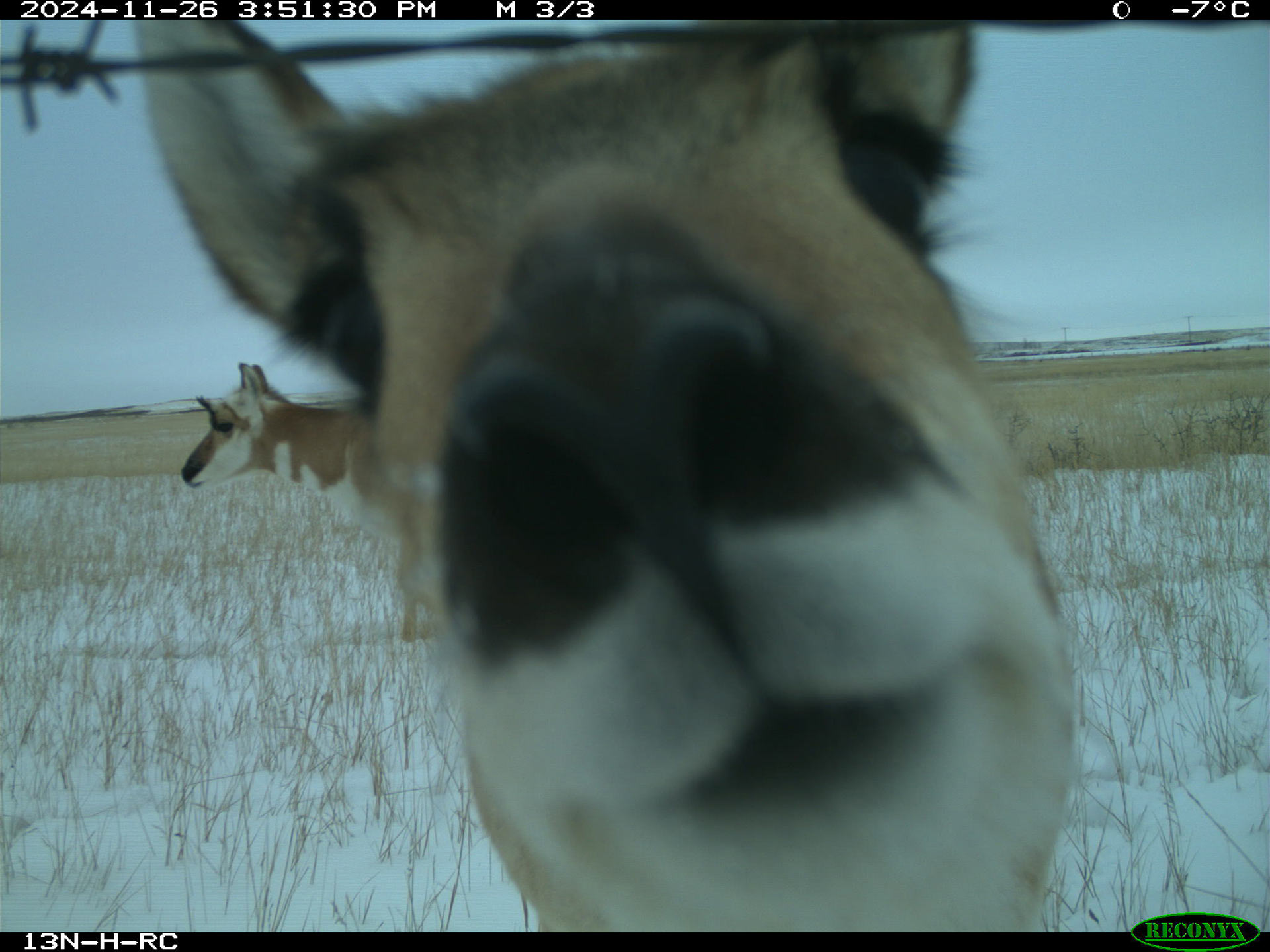
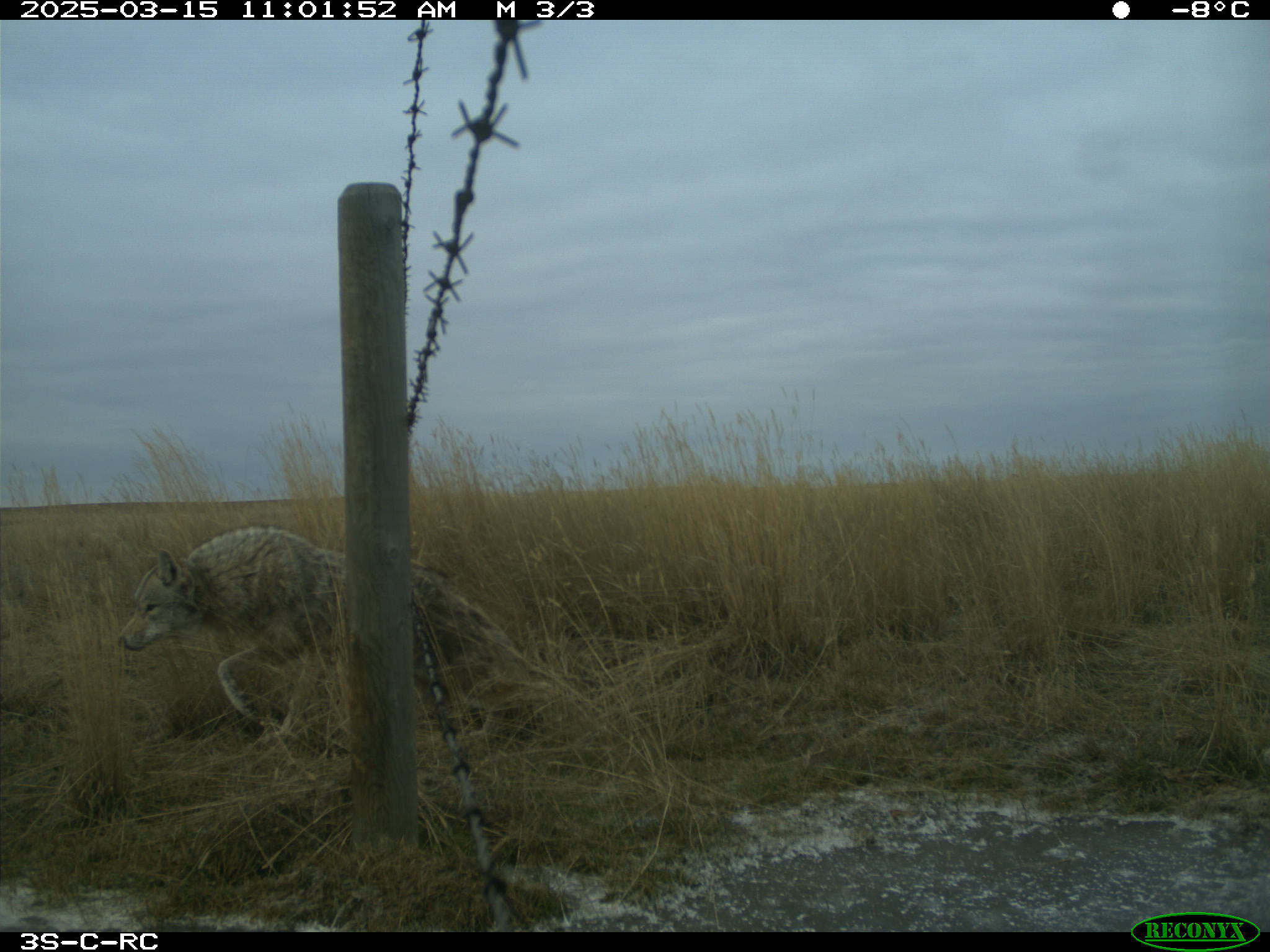
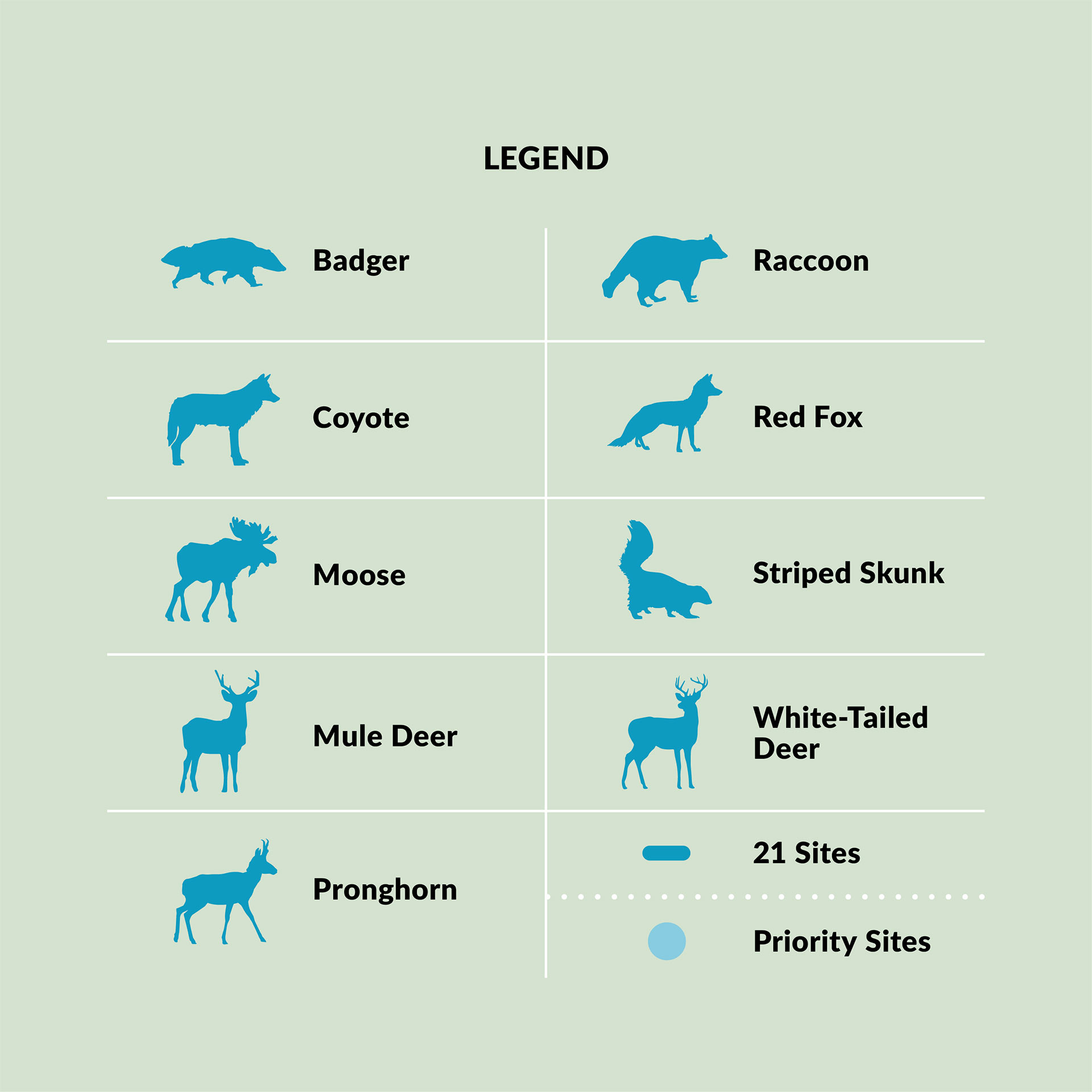
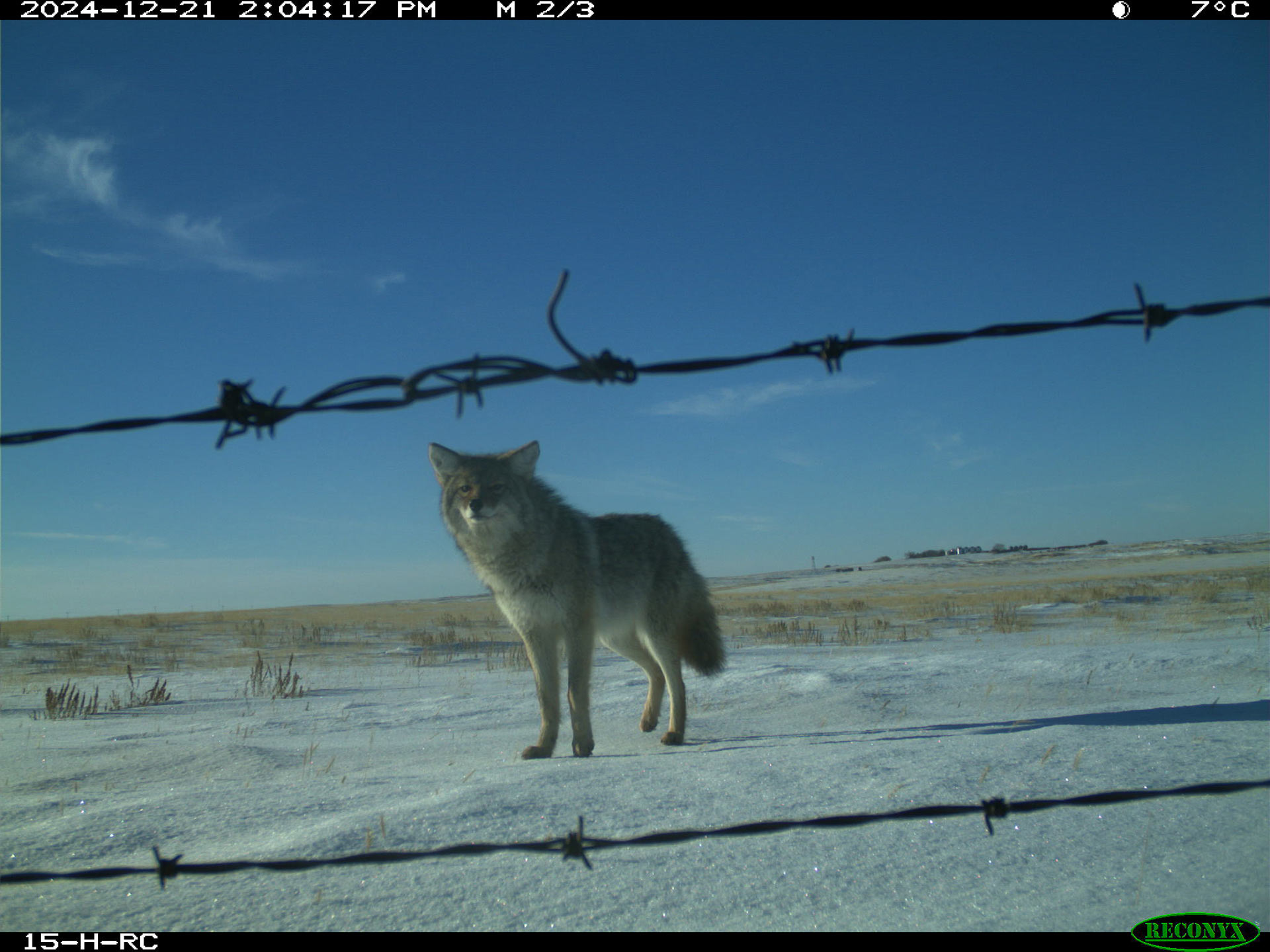
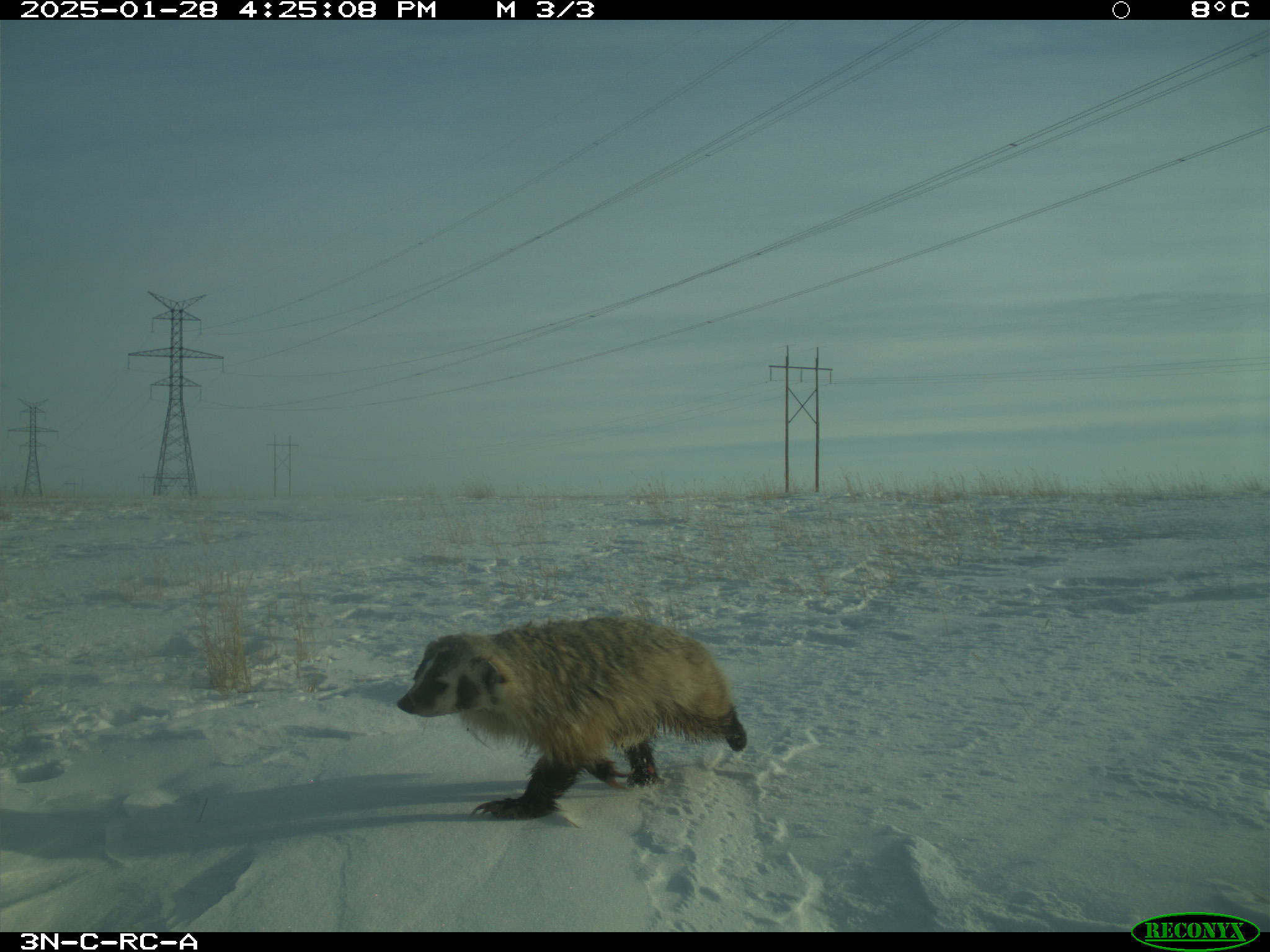
Prairie Wildlife Trail Camera Footage Along the TransCanada Highway
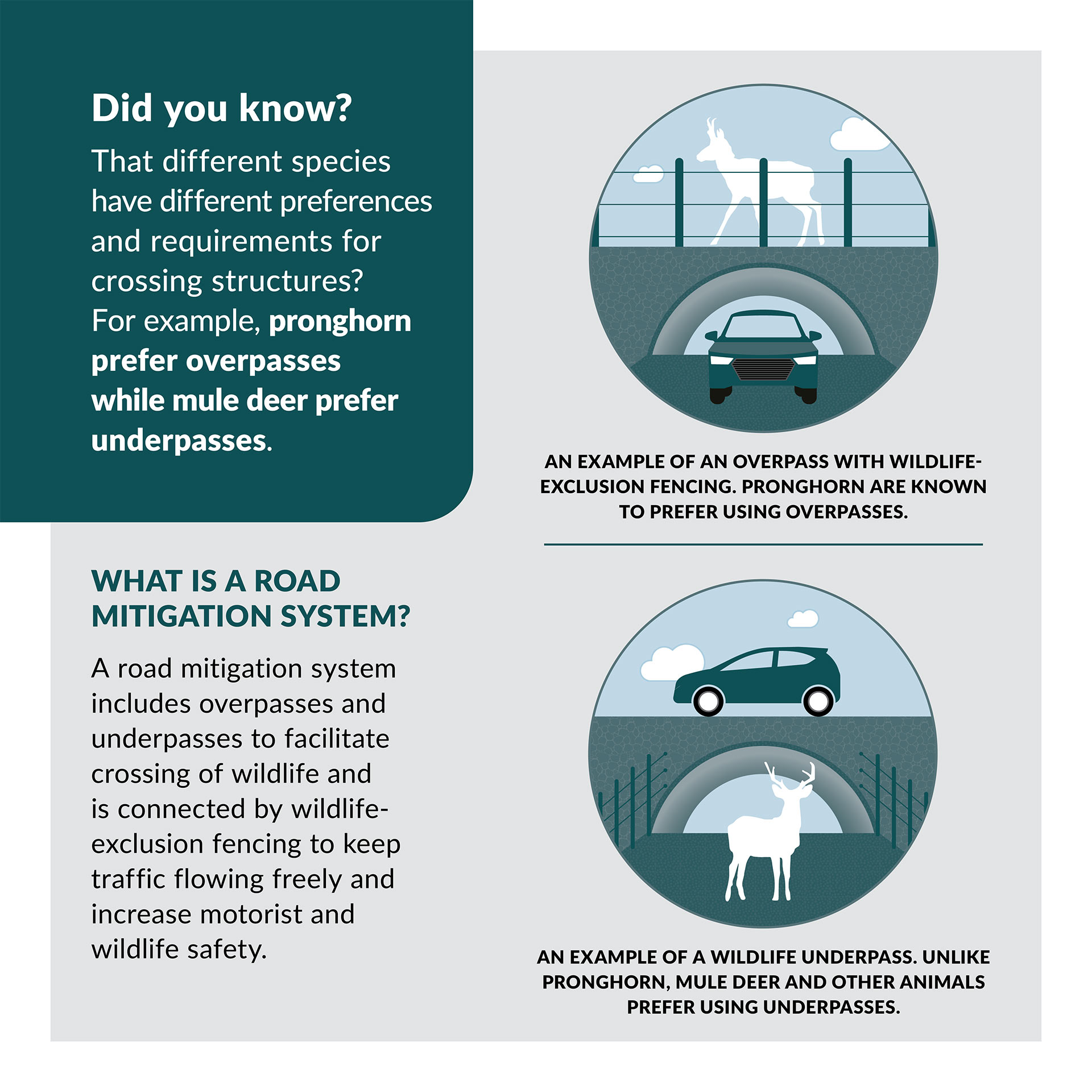
What is a road mitigation system?
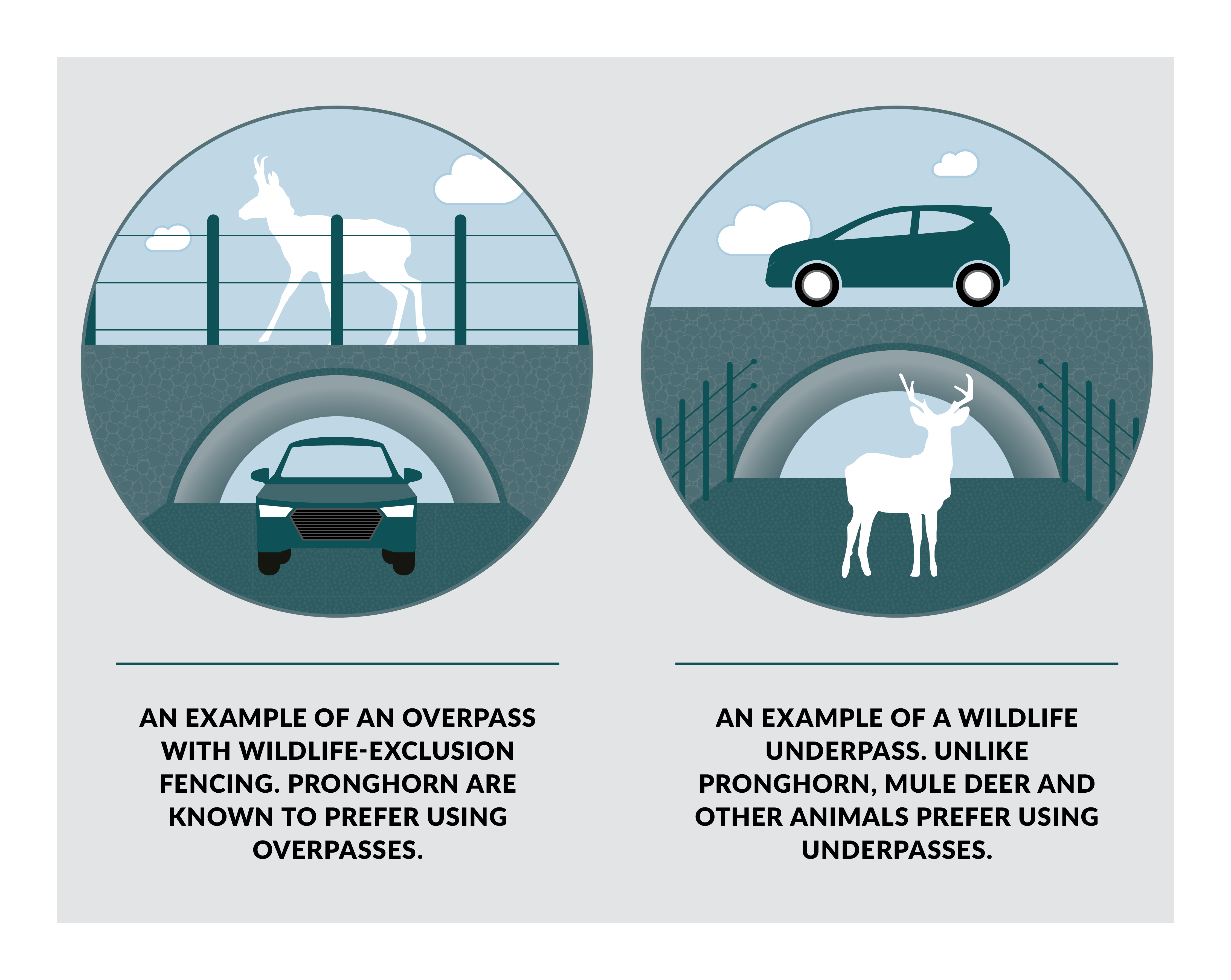
A road mitigation system includes overpasses and underpasses to facilitate crossing of wildlife and is connected by wildlife-exclusion fencing to keep traffic flowing freely and increase motorist and wildlife safety.
Program Lead
CWF Native Grassland Conservation Manager. John’s work on native prairie grasslands includes research, policy and collaborative conservation work with ranchers and partners including Saskatchewan Stockgrowers Foundation and South of the Divide Conservation Action Program. He is a member of the Grassland Roadmap Canadian Working Group. John is an adjunct professor at the University of Saskatchewan in Geography & Planning with a focus on remote sensing in grasslands. John works closely with the Terrestrial Ecology program at CWF, led by Dr. Carolyn Callaghan, giving the Native Grassland program a national and international scope.
"Native prairie grasslands pulsate with life and culture."
Sign Up for Timely
Learn more about Canada's Grasslands.

Learn More
- 0
- 1
- 2