


Endangered Species & Biodiversity

-
A scary future for Ontario’s turtles
2022-02-16
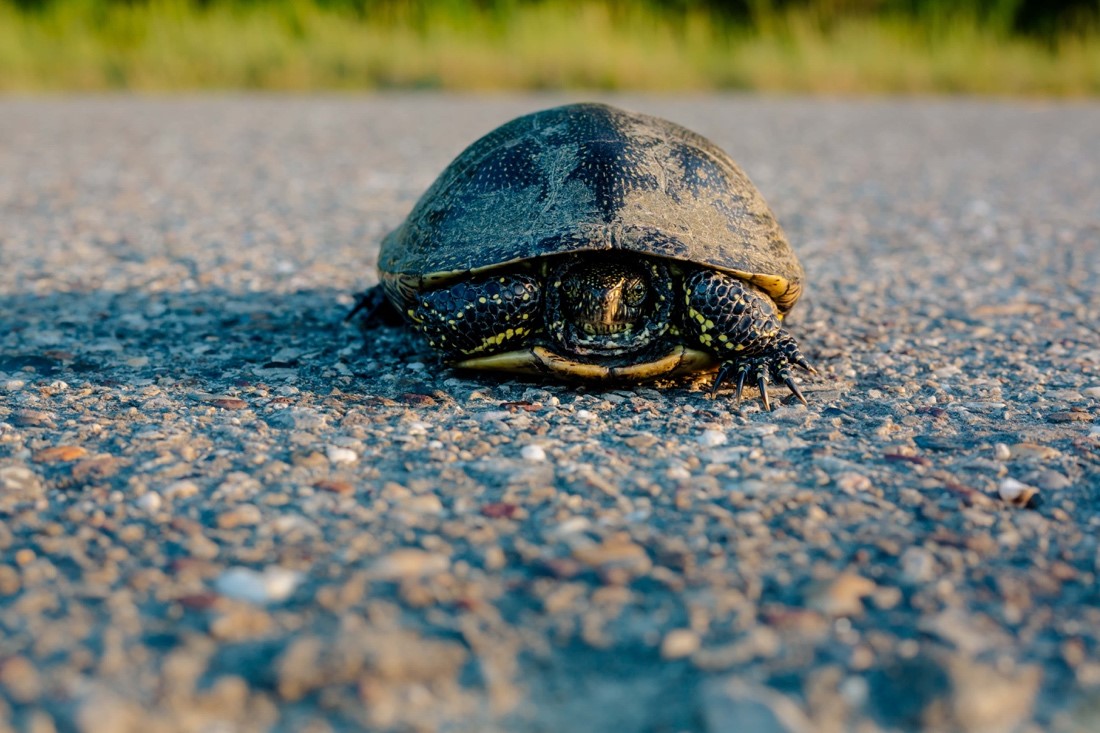
Turtle species across Ontario are under threat, and it’s up to us to save them
-

New film opening in Halifax aims to assist the endangered right whale
2022-02-15
Dalhousie University’s Sean Brillant is among experts participating in a Q&A session following the Halifax premiere of 'Last of the Right Whales' on February 20
-

How Do Freshwater Turtles Survive a Canadian Winter?
2022-01-03
Many birds fly south to avoid the long, cold Canadian winter. Turtles don’t have that option.
-

Turtles like eavesdropping on potential mates, Carleton instructor finds
2021-11-09
Turtles watch potential mates to scope out their competition, according to recent research by Carleton biology instructor Grégory Bulté.
-

Burns Lake man does his part for salmon population
2021-10-27
New culverts installed over creek near Babine Lake; help provided by government, LBN
-
The Secret Life of Bats: Attics, Evictions and Alternative Roosts
2021-10-23
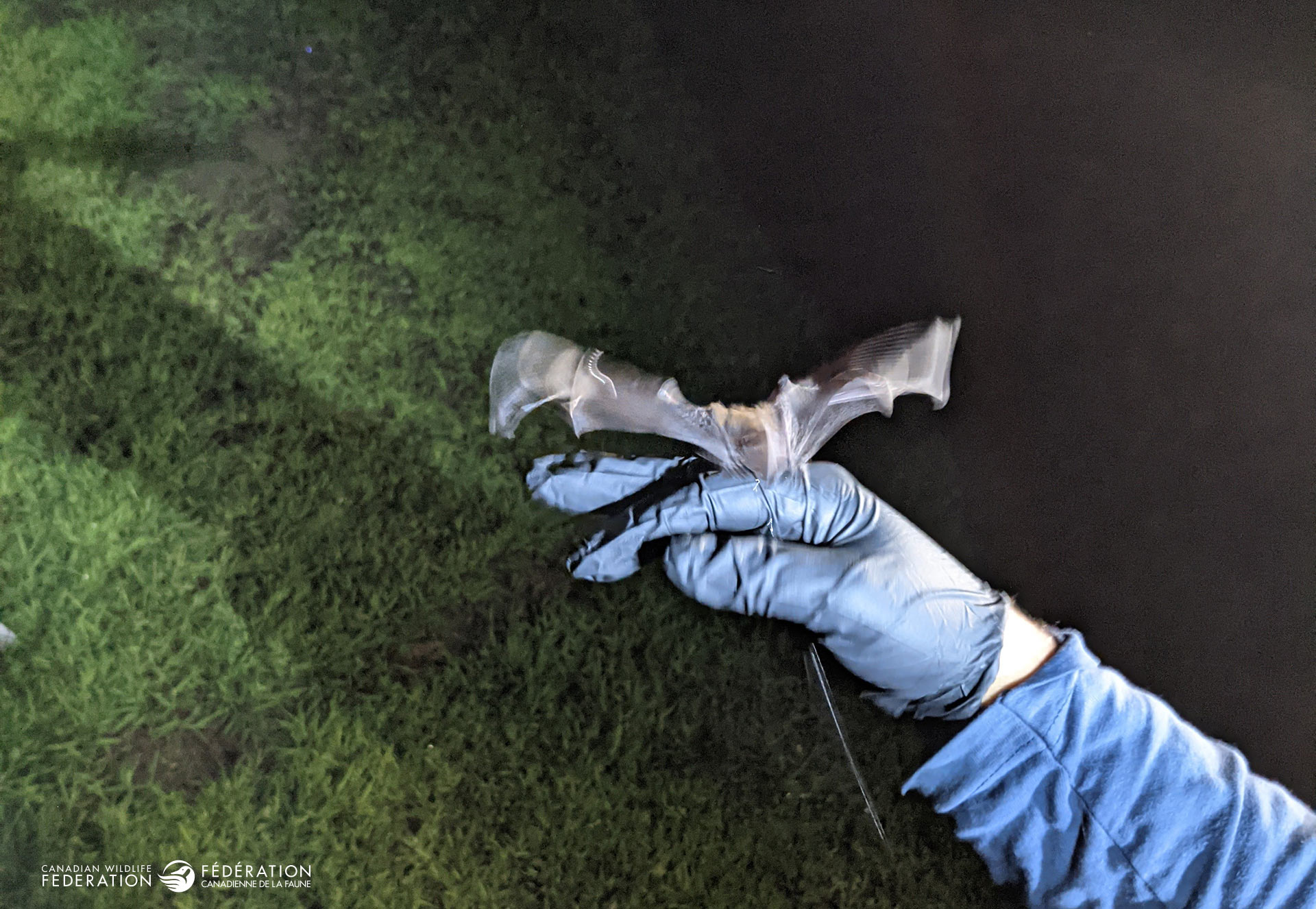
It’s hard being a bat these days. Bats have had a bad reputation for centuries due to unfounded fears, most recently getting bad press with the global pandemic. Also, in the last decade, many continue to face the threat of White-nose Syndrome (WNS) that’s wiping out millions of bats in North America. There’s also habitat loss to contend with, declines in insect populations (Canadian bats’ food source) largely due to pesticide use and massive wind turbines to navigate.
-

Despite hundreds of reported cougar sightings in N.S. over the years, physical proof remains elusive
2021-10-23
Every year, a couple dozen people call the provincial Department of Natural Resources reporting that they saw a cougar. And every year, the department looks, without success, for physical evidence that one of the big cats was in the area in question.
-

Goodbye and Goodluck, Monarch Butterfly
2021-10-12
Today, as I write this blog, I am looking out the window at the changing leaves on the trees, and it with a little sadness that I accept that the Monarchs are gone from this part of Ontario on their long journey to Mexico.
-
Elm zigzag sawfly, Aproceros leucopoda (Hymenoptera: Argidae), recorded for the first time in North America through community science
2021-09-23
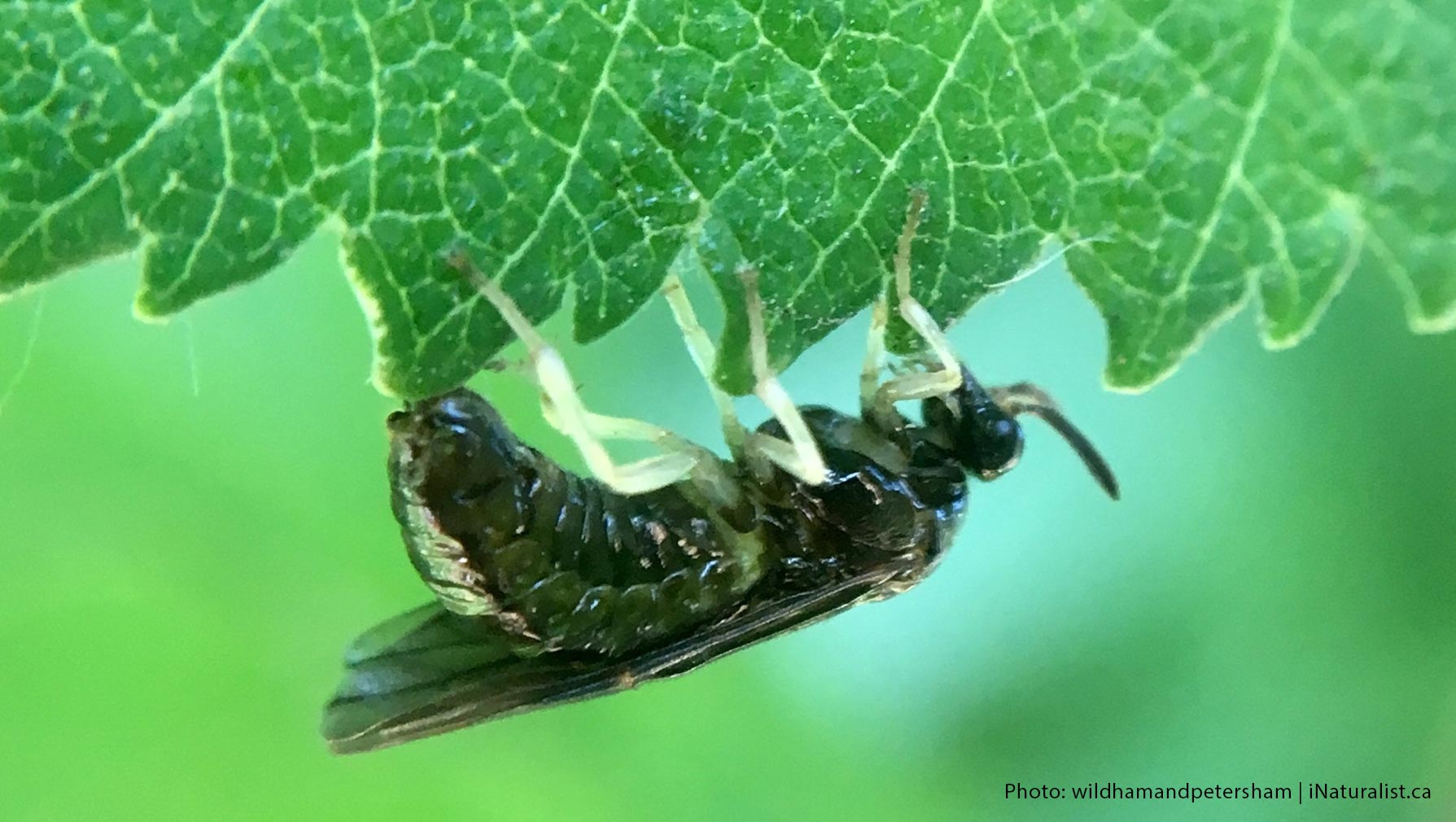
The elm zigzag sawfly, Aproceros leucopoda Takeuchi (Hymenoptera: Argidae), was reported for the first time in North America during the summer of 2020. Characteristic zigzag defoliation was reported in the province of Québec, Canada, on the community science website, iNaturalist.
-
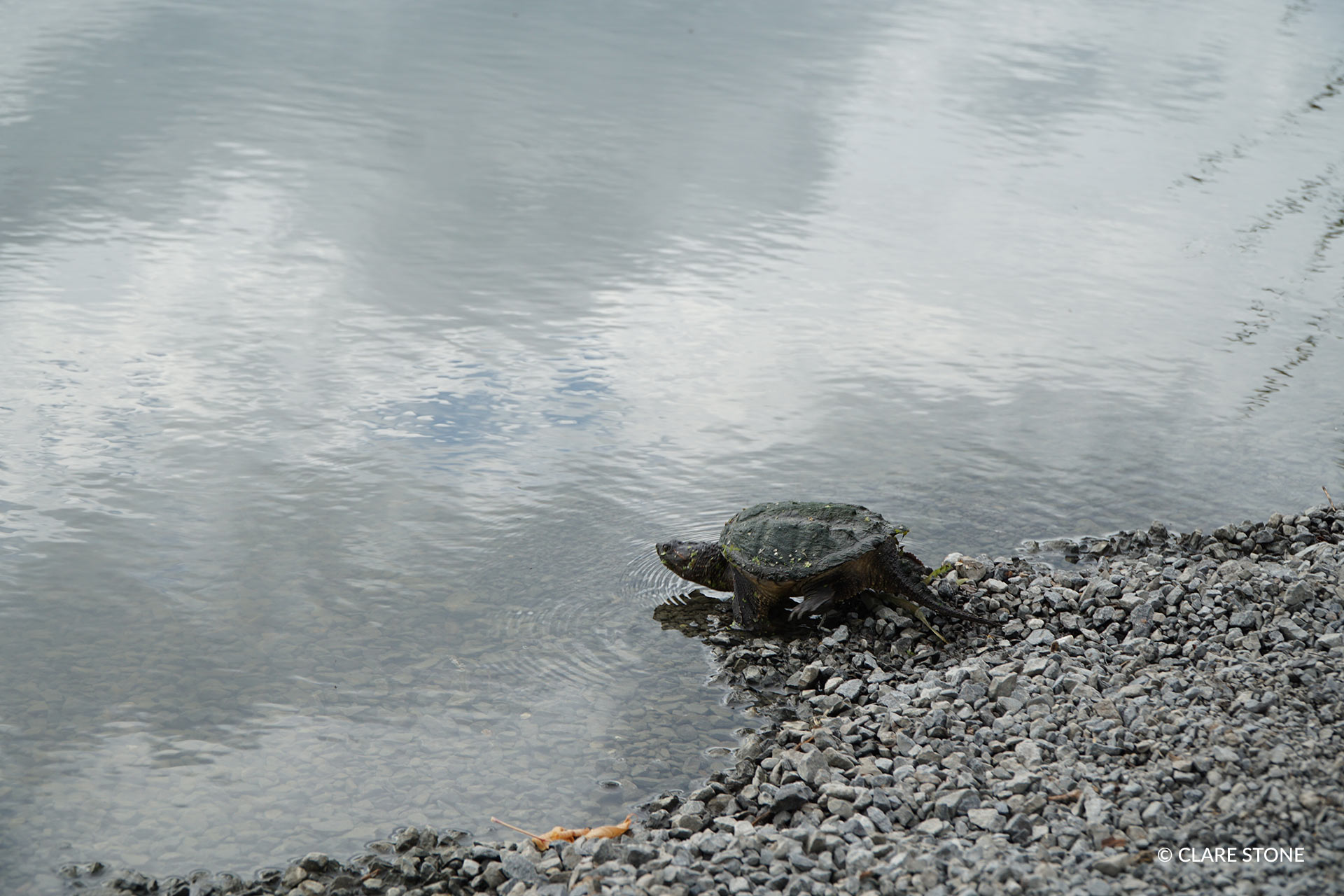
Eastern Ontario’s Own Turtle Island
2021-09-15
Even during the pandemic, the Friends of Petrie Island (FOPI) turtle conservation initiatives continued. Petrie Island — located in Orleans (East end of Ottawa) — was purchased in the late 1950s by the Grandmaitre family. In the 1960s, they used it as a cooperative sand extraction operation, which ended in 2002. The sand operation increased the amount of sand on the island which in turn increased the turtle nesting areas.

Learn More


- 0
- 1