


Endangered Species & Biodiversity

-
As U.S. veers away from protecting environment, alarm sounds for East Coast marine life
2025-03-02
U.S. President Donald Trump's rush to change course on the environment has marine wildlife experts nervous about water and wildlife off the East Coast. Executive orders Trump has signed since taking office have already stripped away some protections for wildlife, with his determination to make drilling for oil easier and his apparent lack of concern about the impact of microplastics.
-
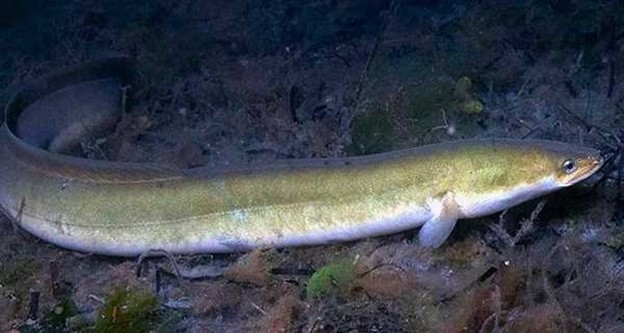
Incorporating Indigenous Knowledge Could Help Save the American Eel
2025-02-28
They have been in decline for decades, with some populations having declined by as much as 99 per cent. The American Eel’s life cycle is very unique.
-
Mission Biodiversity – Protect Habitats!
2025-02-04
Your Mission, Should You Chose to Accept It… Welcome back to our year-long operation to engage Canadians in supporting wildlife and habitat conservation – Mission Biodiversity!
-
Six Ways to Welcome Owls to Your Backyard
2025-02-03
ot only are these wide-eyed wonders mesmerizing to watch, they also are also natural pest controllers, preying on rodents, rabbits and insects. If your property includes plenty of trees, you can easily create a haven for owls. However, before rolling out the welcome mat, consider the risks surrounding your property that might put their safety in danger.
-
Redrawing the Arctic’s Wildlife Map
2025-02-03
Beavers in the Arctic? That’s right, you read it correctly. When you picture the Arctic, what comes to mind? Snow, ice, frigid temperatures, and perhaps the iconic Polar Bears, seals or reindeer. But the Arctic is changing. The effects of climate change are transforming this vast tundra, opening the door for wildlife to venture into the region in ways never seen before.
-
What if Our Canadian Winter…Disappeared?
2025-02-01
It would mean a radical change for both human life and wildlife in Canada. The simple fact is Canadian winters marked by freezing temperatures and heavy snowfalls serve significant purpose for all inhabitants of the Great White North.
-
Mission Biodiversity – Prevent Pollution!
2025-01-09
Your mission this month is to help protect habitats and wildlife from another one of the five biggest threats to biodiversity — pollution. Pollution is the introduction of harmful materials into the environment at a rate that causes adverse changes. There are many different types of pollution, such as land, air, water, noise, and light. Since this is a lot to cover, we’ve focused on water pollution for this mission.
-
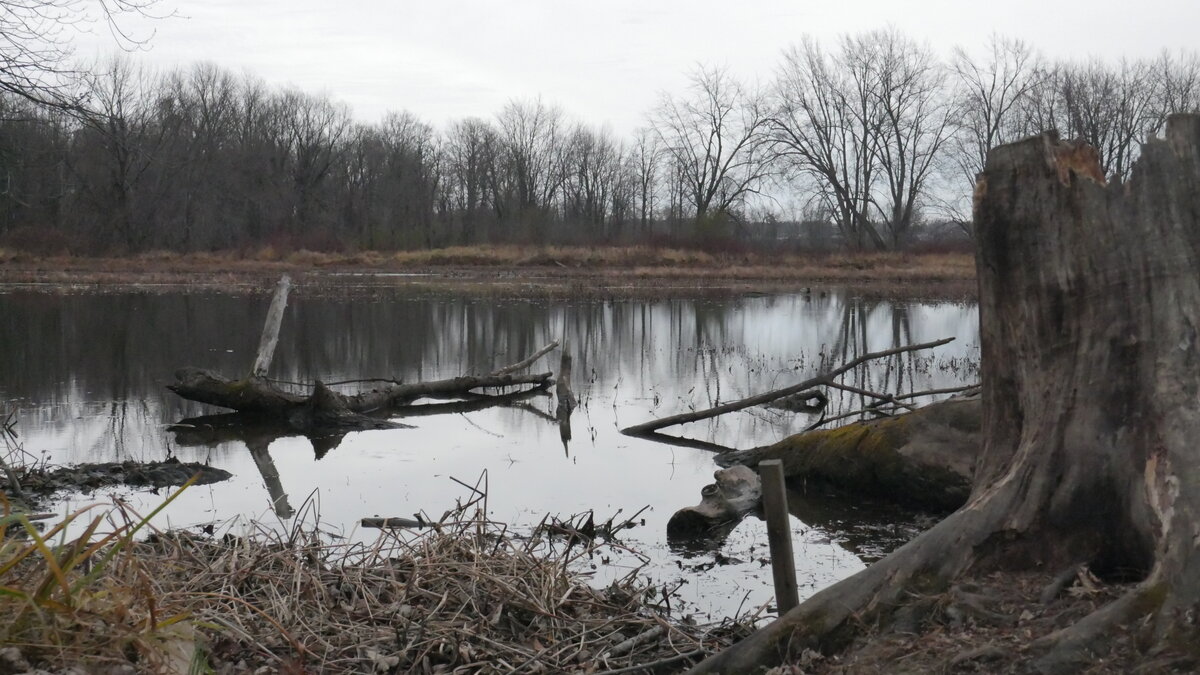
At Petrie Island, a community maximizes survival odds for imperiled baby turtles
2024-12-16
Walking through the parking lots and trails of Petrie Island on a chilly November weekend, fedora-hatted Michael Ricco can still point out exact spots alongside pavement and wetland where turtles laid eggs last summer.
-
ECO-LOGICAL COMMENT: Tiny wings, big impact: How climate change is affecting hummingbirds
2024-12-11
Hummingbirds are extraordinary creatures that are essential to the health of our ecosystems as both nectar feeders and pollinators. The current pace of climate change is unprecedented in geologic history, shifting faster than natural selection can enable species to adapt, and putting the survival of hummingbirds at risk.
-
Feathers in Flux: How Climate Change is Shaping the Lives of Arctic Birds
2024-12-09
Temperatures in the North are rising at an alarming rate – about three times faster than the global average. This rapid warming is changing the landscape of the Arctic and deeply impacting the creatures that call it home. So what does a warmer Arctic mean for our feathered friends? The good news is that some of them are adapting. However, many other Arctic birds are struggling.

Learn More


- 0
- 1