

SCIENTIFIC NAME
Graptemys geographica
DESCRIPTION
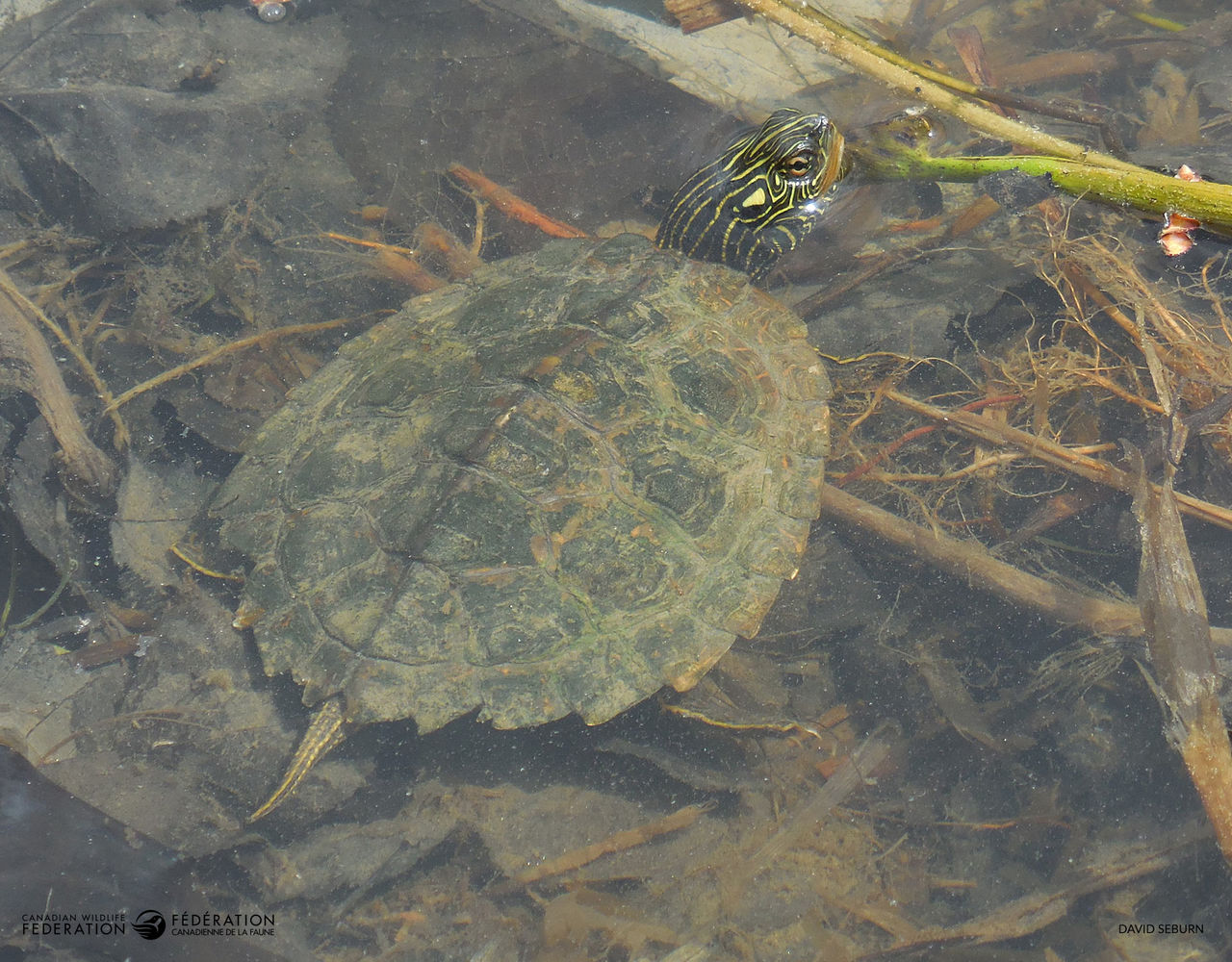
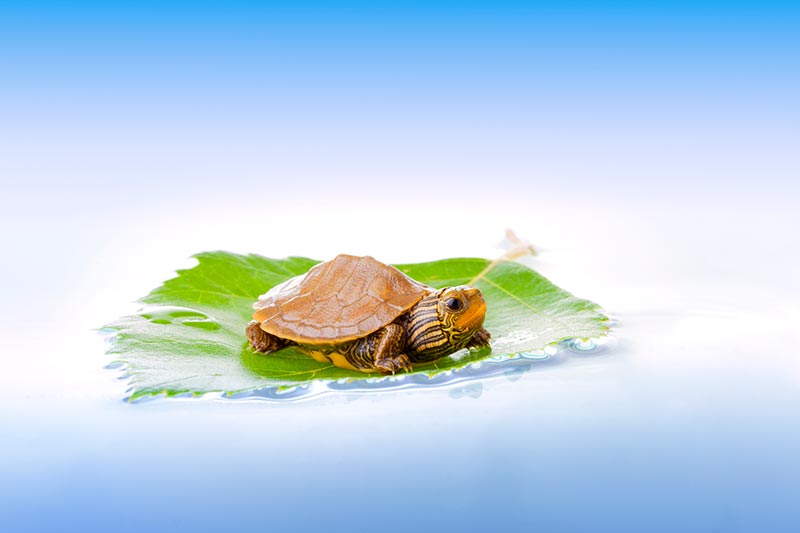
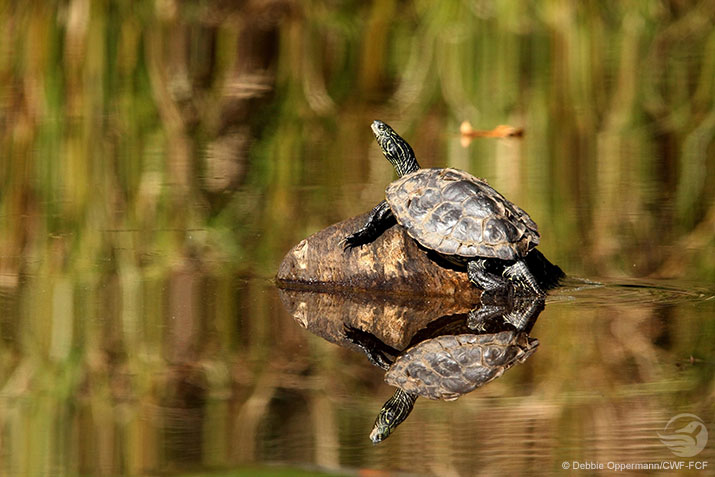
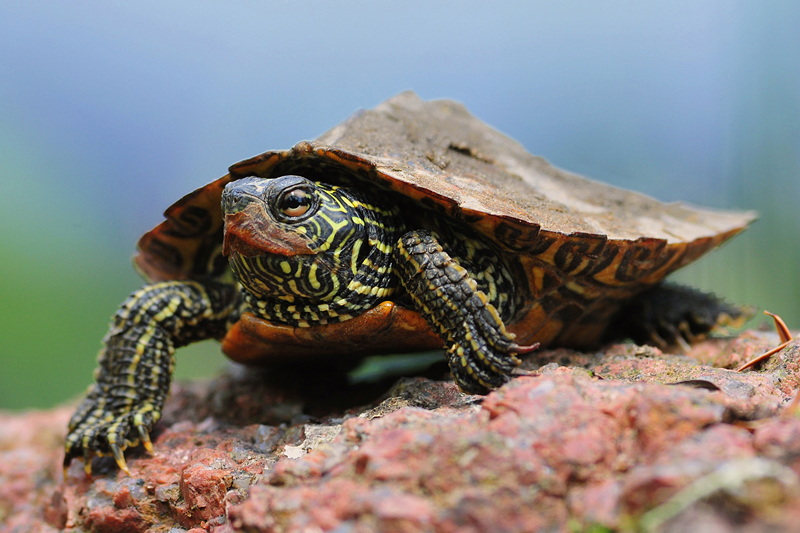
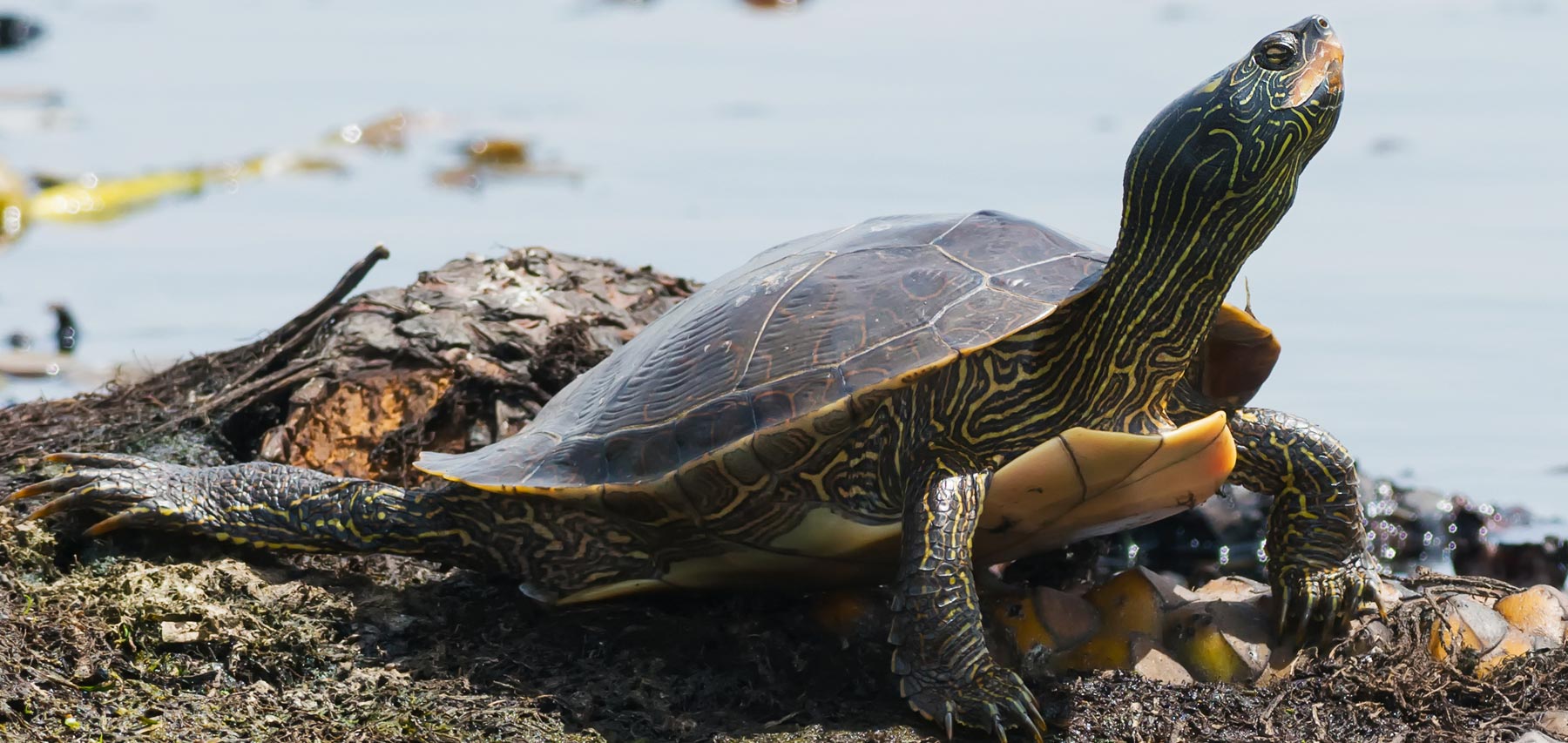
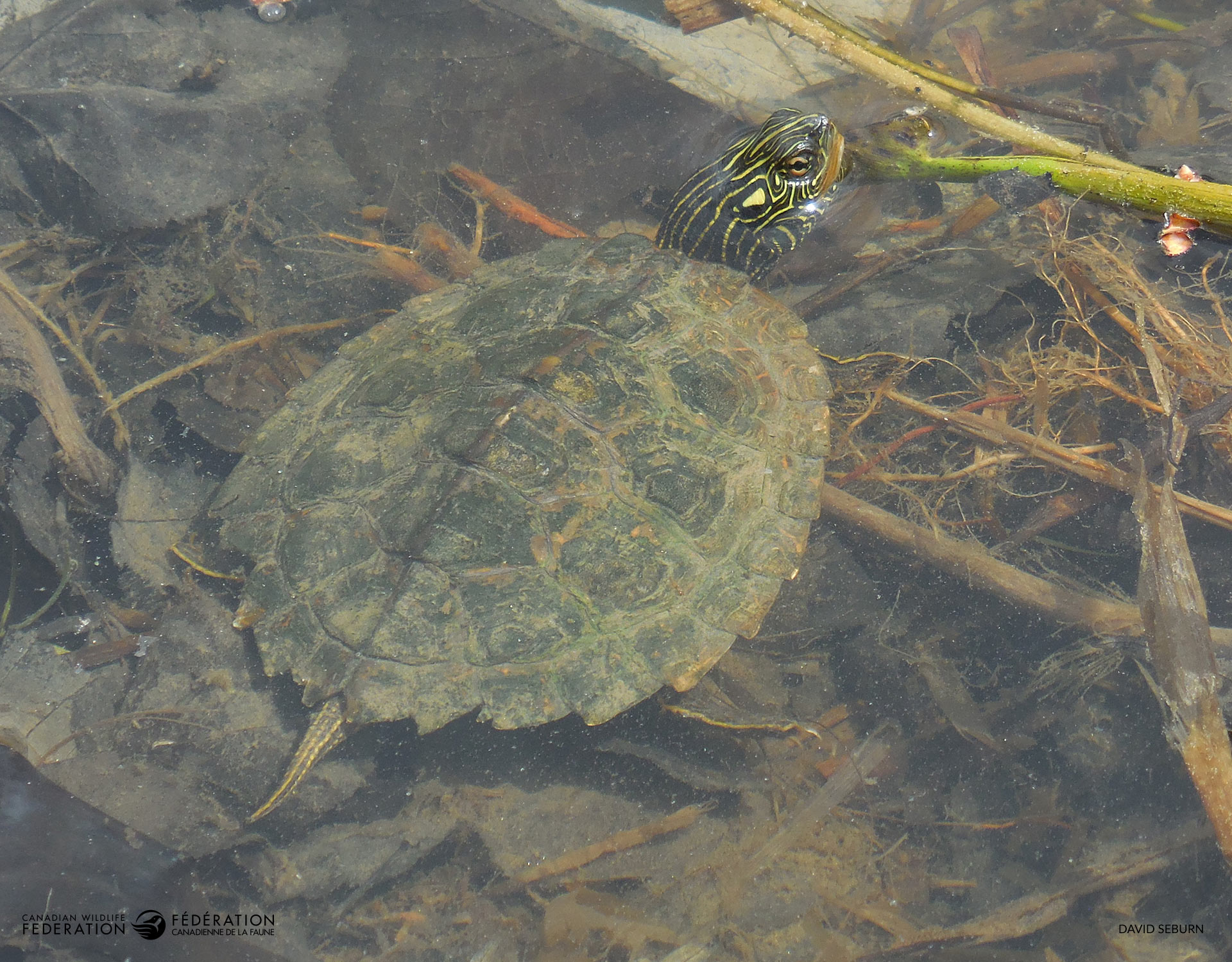
The Northern Map Turtle’s upper shell has a ridge or keel running down the center and has a serrated rear edge. The shell is adorned with a series of faint lines that resemble the lines on a map. The Northern Map Turtle has an eye spot behind the eye, while the non-native False Map Turtle has a hockey stick shaped “eyebrow.”
PHOTO GALLERY
 |  |  |
 |
RANGE
Southern Ontario and southern Québec
HABITAT
Northern Map Turtles live in lakes and large rivers with slow moving currents. Females usually nest fairly close to shore in open areas in sand, soil, or gravel. In winter, Northern Map Turtles hibernate under water, often in areas of flowing water.
BEHAVIOUR
Northern Map Turtles bask extensively in the spring, and are active throughout the summer. Individuals can move more than 20 kilometres along a river. Females do not reach maturity until 12 years of age, whereas males reach maturity around four years old. Female Northern Map Turtles lay one or two clutches of 3-22 eggs in June. The sex of the hatchlings is determined by the temperature of the nest during incubation. The hatchlings emerge in late summer, early fall, or may overwinter in the nest cavity.
Adult Size: 9-16 cm for males, 18-27 cm for females
STATUS
Special Concern (Federal)
THREATS AND/OR WHAT YOU CAN DO
Shoreline development can destroy basking or nesting habitat for Northern Map Turtles. Injury or mortality from boat propeller strikes may be a serious threat in some areas with high boat traffic. High rates of nest predation by raccoons can pose a threat in some areas.
NOTES
The non-native False Map Turtle looks similar to the Northern Map Turtle and is showing up in various urban areas in southern BC, Ontario and Quebec. The biggest difference between the two species is the hockey stick shaped “eyebrow” of the False Map Turtle.”

Learn More
- 0


