




-
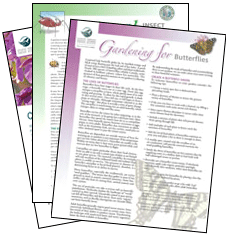 Guides, Infographics & Posters
Guides, Infographics & Posters
Take a closer look at the ways in which we’ll help you access the facts about wildlife. Whether it’s discovering the Hinterland Who’s Who animal fact sheets, or ordering our handy field guide to Canada’s prevalent shoreline species. This content is available to our CWF Supporters and online members. Please sign in to order your free materials.
More -
-
Wildlife E-cards
Wildlife E-cards
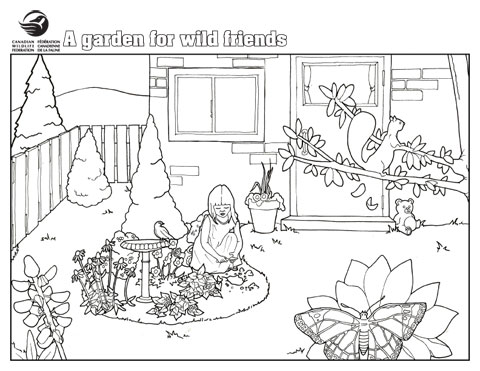
Send Dad a wildlife e-card! You cherish our wonderful wildlife and now you can send e-greetings that reflect your love of nature. We have developed a wide array of wildlife ecards for every occasion for you to share with your family and friends!
More -
 CWF Wallpapers
CWF Wallpapers
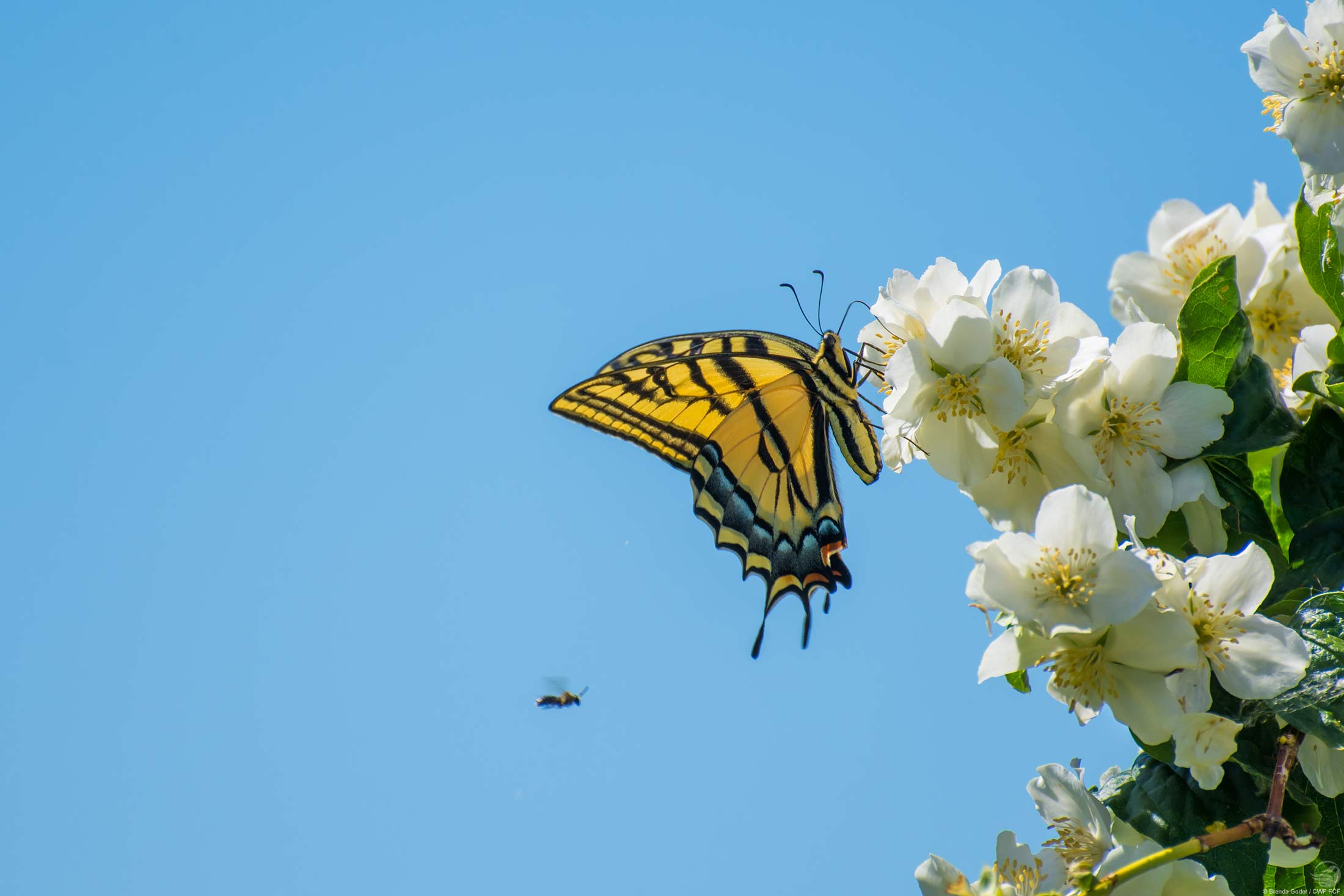
Your desktop is the perfect habitat for this wild wallpaper. Download CWF wallpapers!
More -
 WILD Webinars
WILD Webinars
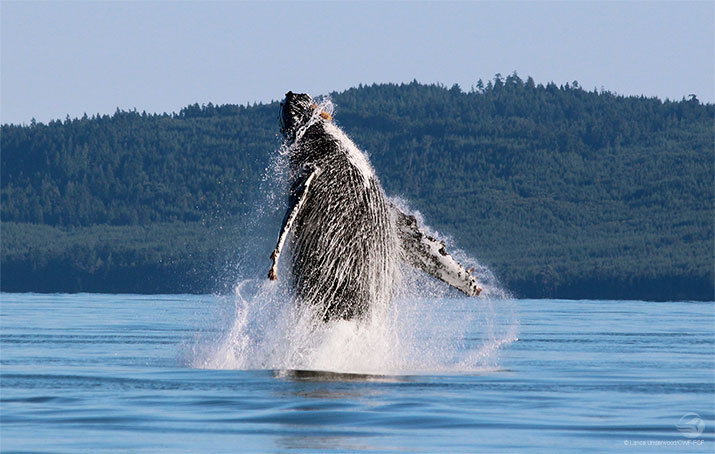
With topics relating to conservation, wildlife and habitat, we provide a relevant online learning platform, typically for grades four to six but of benefit to any age.
More

From easy-to-use apps designed as tools for your citizen science projects to picturesque wallpaper images for your computer, CanadianWildlifeFederation.ca offers a variety of useful downloads for your PC and mobile devices.
-
Explore
2026-06-26
Coasts & Oceans
-
Learning and Engagement Dialogue: Cumulative Effects under the Fisheries Act
2021-04-14
This 1:00 p.m. ET event is hosted by Aquatic Habitat Canada, a national network supporting aquatic habitat protection and restoration. This webinar series is based on the consultation topics of the current Fisheries and Oceans Canada’s Fish and Fish Habitat Protection Program (FFHPP) development process. For this first event, we will be hosting expert speakers from multiple sectors to present their involvement and perspectives on cumulative effects. The webinar will also include an open panel discussion and a Q&A period. This outreach event is intended to be informative and educational, while allowing public engagement. We welcome all perspectives and experiences to the event and hope to host productive discussions for those planning to make submissions to the FFHPP consultation process.
-
Water We Without Oceans?
2021-06-08
June 8, 2021, at 1:00 pm ET /10:00 am PT Join us for a free, educational webinar as we explore our connection to the ocean. Our blue planet is powered by a water cycle that sustains life. Together we’ll dive deep into this cycle to discover how we are all connected to the ocean through our local watersheds.
-
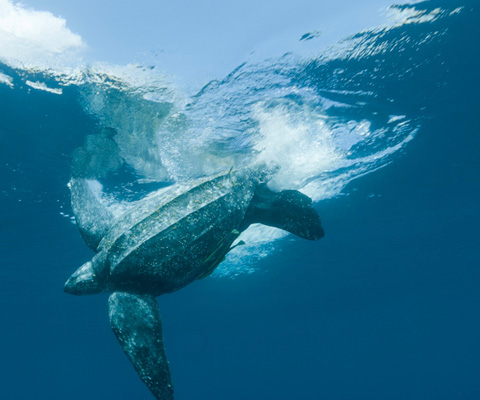
Canada's Turtles Webinar
2013-05-23
A leatherback turtle presentation by Dr. Sean Brilliant, Manager of Marine Programs for CWF, and Dr. Mike James, a marine turtle scientist with Fisheries and Oceans Canada. This webinar will focus on the lifecycle and ecology of Canadian leatherback turtles and the CWF Great Canadian Turtle Race.
-
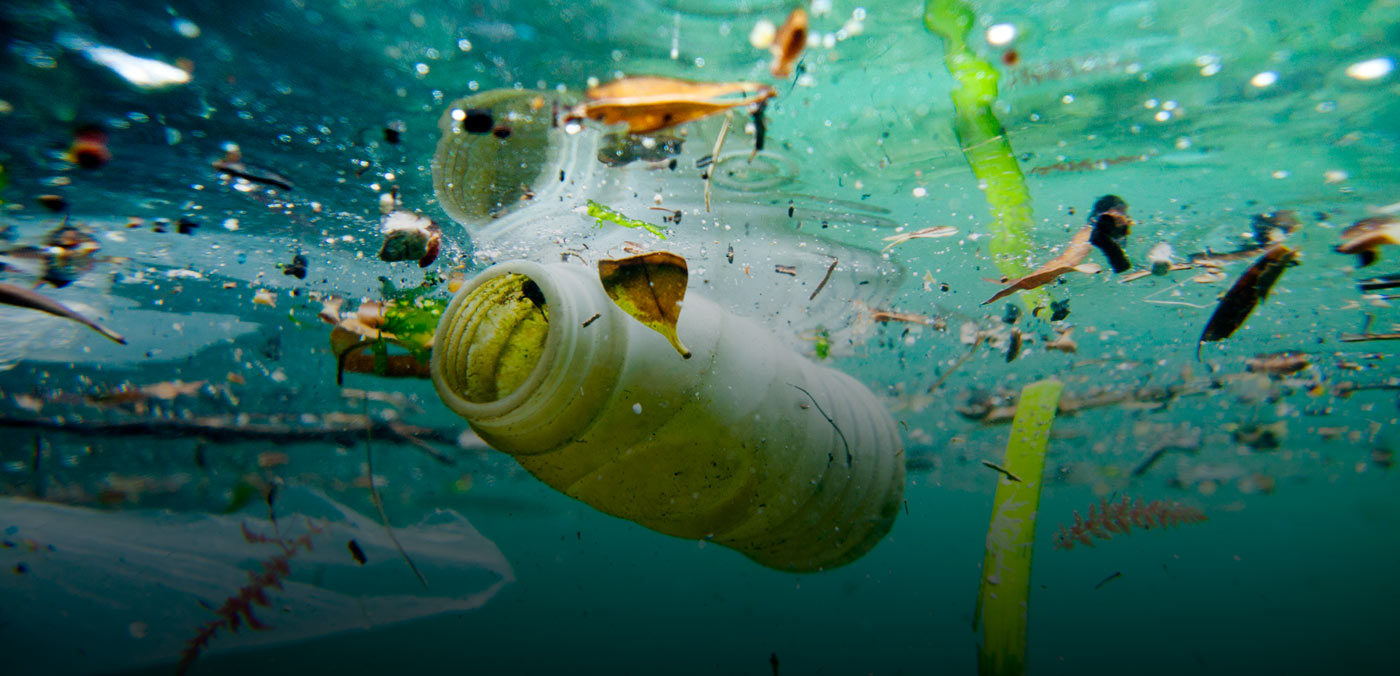
Plastics in Our Waterways
2016-06-14
'Plastics in our waterways: how do they harm wildlife?' Join in as we discuss the types, sources and impacts of plastic pollution in Canadian aquatic ecosystems, where you can find microplastics in your home, and learn what we can do to reduce the “plastic problem.”<br>June 14<br>1:00pm
-

The Launch
2016-05-12
'The Build' webinar series has followed teacher Anthony Beer and his class on the Gaspé penisula, Québec as they have built a wooden Mirror sailing dinghy from scratch - Now it's time for 'The Launch'. <br>May 12<br>1:30pm
Connecting With Nature
-
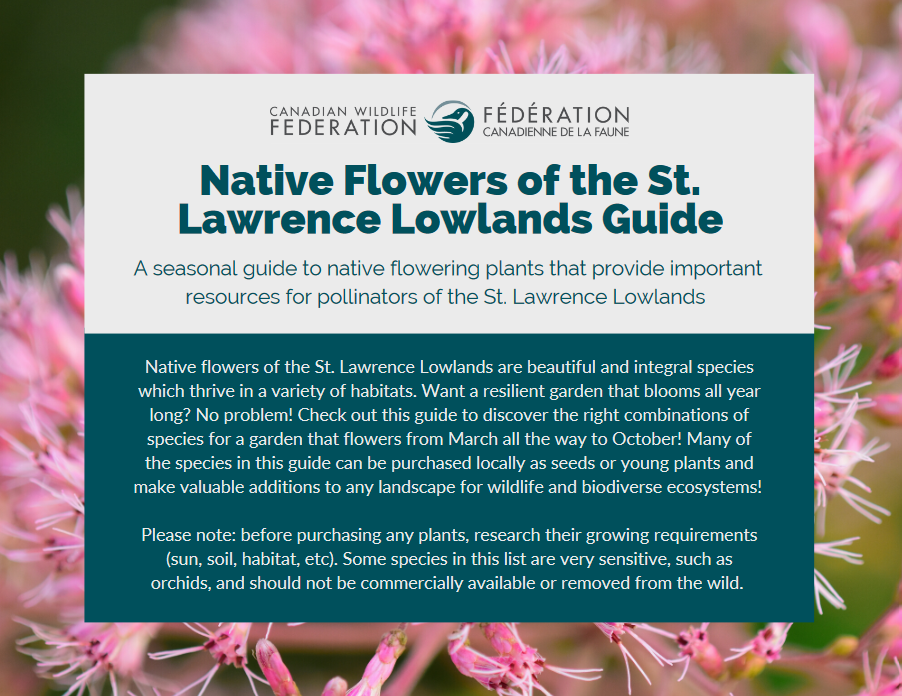
Native Flowers of the St. Lawrence Lowlands Guide
2026-06-26
A seasonal guide to native flowering plants that provide important resources for pollinators of the St. Lawrence Lowlands
-
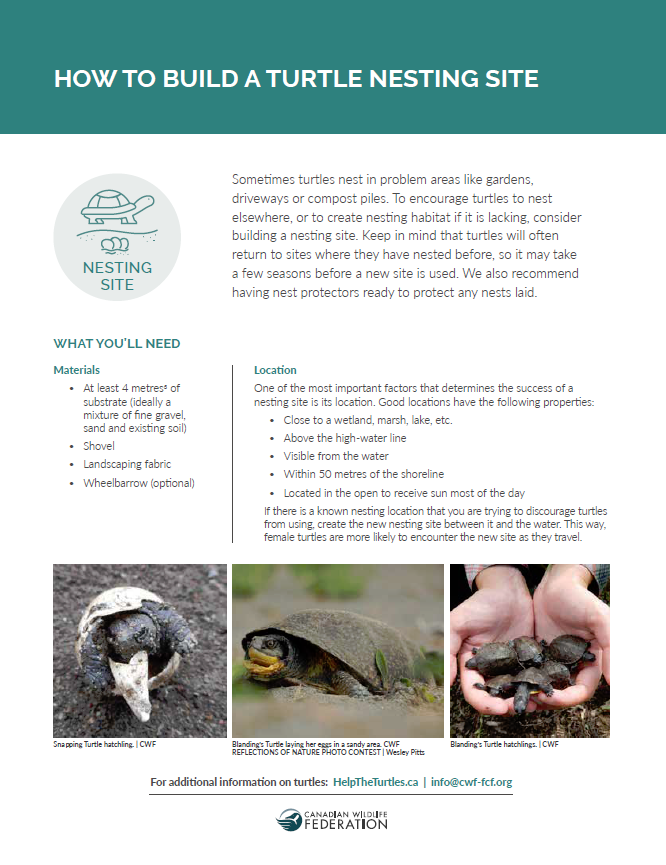
How To Build a Turtle Nesting Site
2026-06-26
Sometimes turtles nest in problem areas like gardens, driveways or compost piles. To encourage turtles to nest elsewhere, or to create nesting habitat if it is lacking, consider building a nesting site. Keep in mind that turtles will often return to sites where they have nested before, so it may take a few seasons before a new site is used. We also recommend having nest protectors ready to protect any nests laid.
-
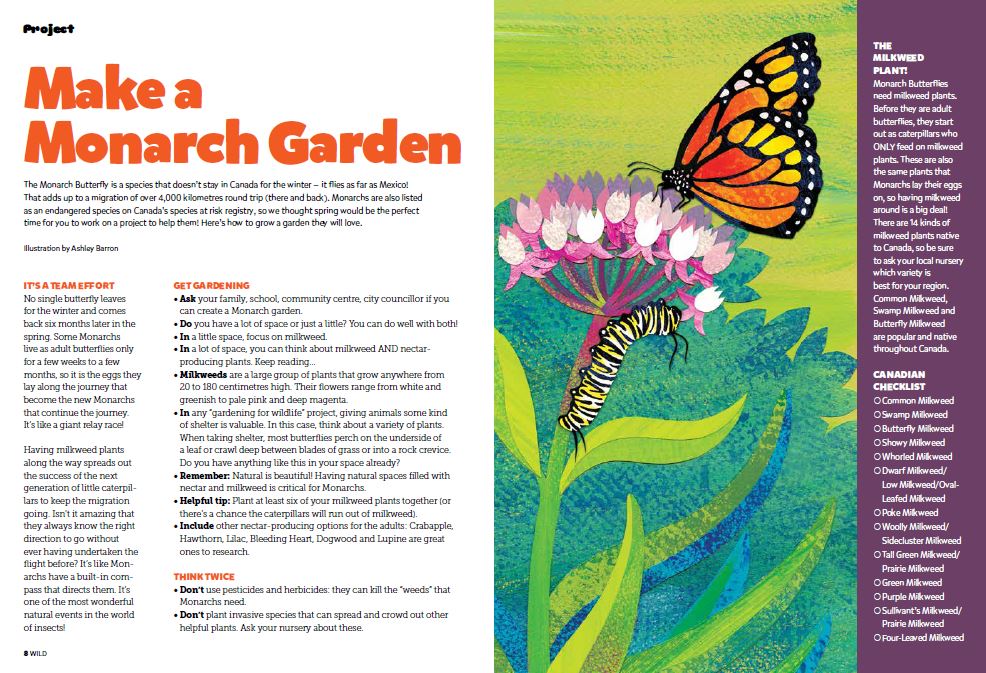
Make a Monarch Butterfly Garden
2020-04-01
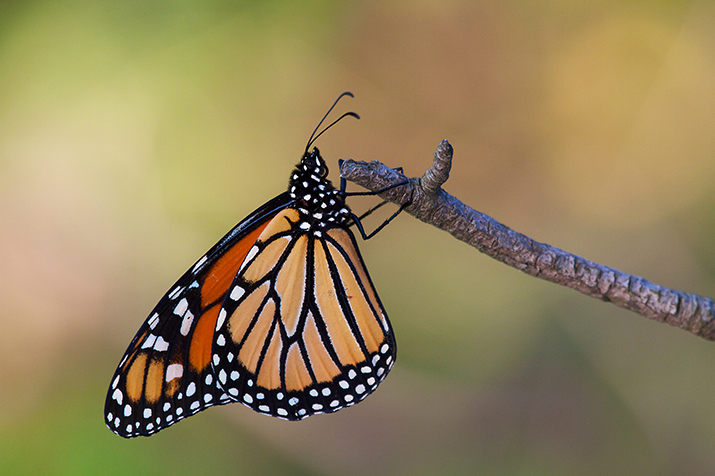
The Monarch Butterfly is a species that doesn’t stay in Canada for the winter — it flies as far as Mexico! That adds up to a migration of over 4,000 kilometres round trip (there and back). Monarchs are also listed as an endangered species on Canada’s species at risk registry, so we thought spring would be the perfect time for you to work on a project to help them! Here’s how to grow a garden they will love.
-
iNaturalist Guide to Taking Photos
2021-04-13
Tips, tricks, and guides to help get your sightings identified
-
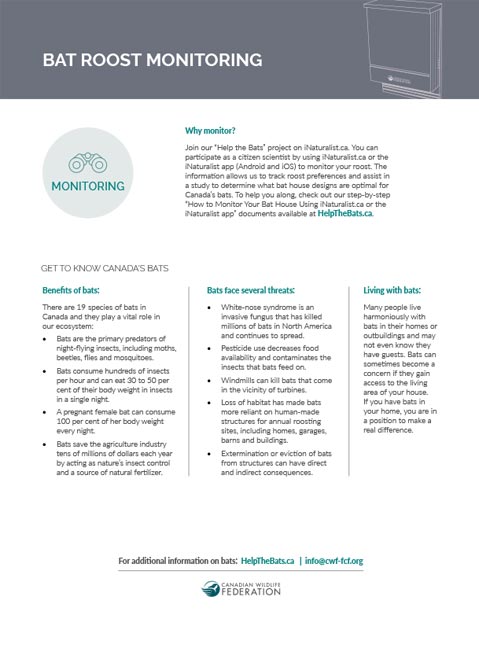
BAT ROOST MONITORING
2026-06-26
oin our “Help the Bats” project on iNaturalist.ca. You can participate as a citizen scientist by using iNaturalist.ca or the iNaturalist app (Android and iOS) to monitor your roost. The information allows us to track roost preferences and assist in a study to determine what bat house designs are optimal for Canada’s bats. To help you along, check out our step-by-step “How to Monitor Your Bat House Using iNaturalist.ca or the iNaturalist app” documents available at HelpTheBats.ca
Education & Leadership
-
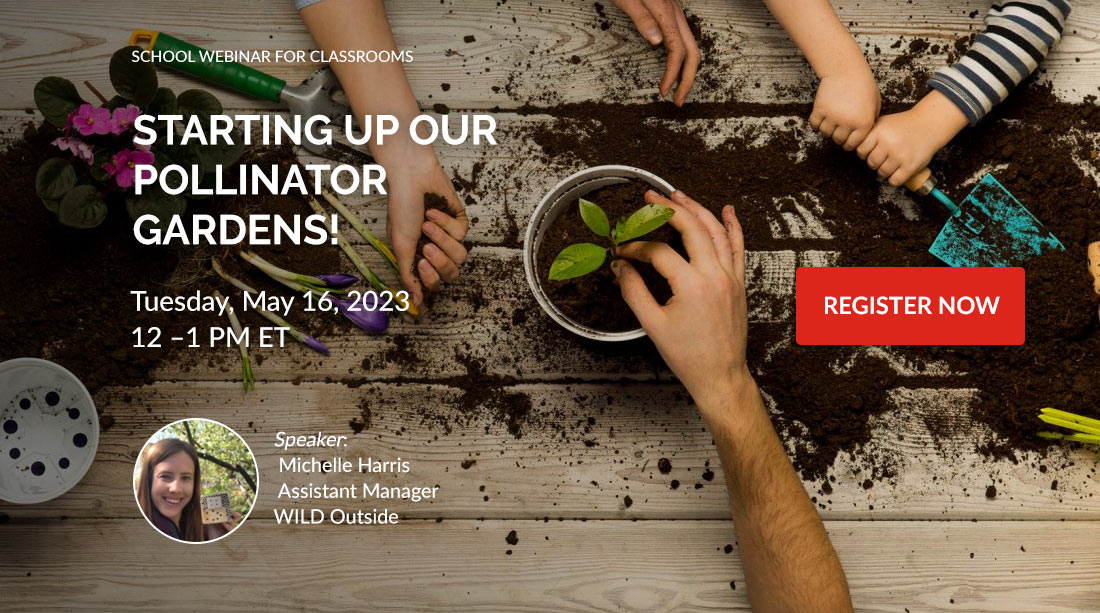
Starting Up Our Pollinator Gardens!
2023-05-16
Calling all grades 3 to 6 teachers! It’s nearly time to start planting in our gardens. This fun and engaging webinar with classes from across Canada will help us learn how to best prepare our gardens before our plants go in, as well as how to take care of our plants so they grow and support pollinators all summer.
-

Gardening with Wildlife in Mind
2024-05-22
Join CWF as we explore the key ‘ingredients’ in a beautiful yet beneficial garden that will support local and migratory wildlife right outside your door. In addition to learning these important components, you’ll come away with ideas in how to apply them that will suit any property, lifestyle, budget or space.
-
-
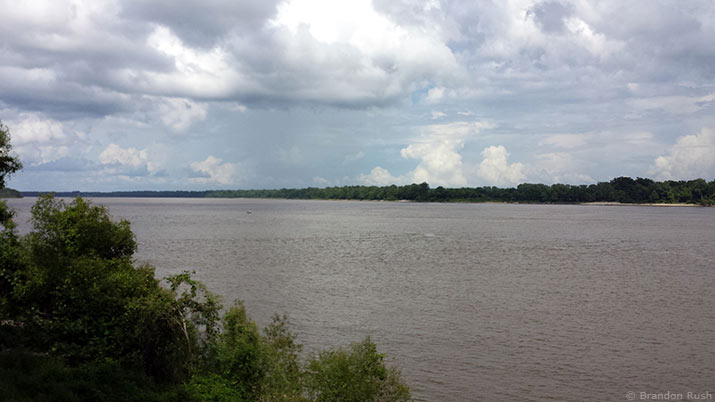
What does the Mississippi look like?
2015-11-02
What does the Mississippi look like? Exploring the river from top to bottom. Author and Adventurer, Jordan Hanssen, will take students on a journey beyond the part of the Mississippi most familiar with students, showing them the diversity of its 2,350 miles. From a trickle at its headwaters to its mighty mouth bringing in the story of the river and how it appears in almost everything they will study in the classroom and labs.<strong><br>Nov.2, 2015<br>1pm</strong>
-
Endangered Species & Biodiversity
-
Hinterland Who's Who Fact Sheets
2026-06-26
Check out the facts for amphibians and reptiles, birds, fish, mollusks, insects, pollinators and mammals! We’ve even got information specific to species at risk, the boreal forest species, and species affected by climate change! So why not learn a little bit more about these Canadian creatures
-
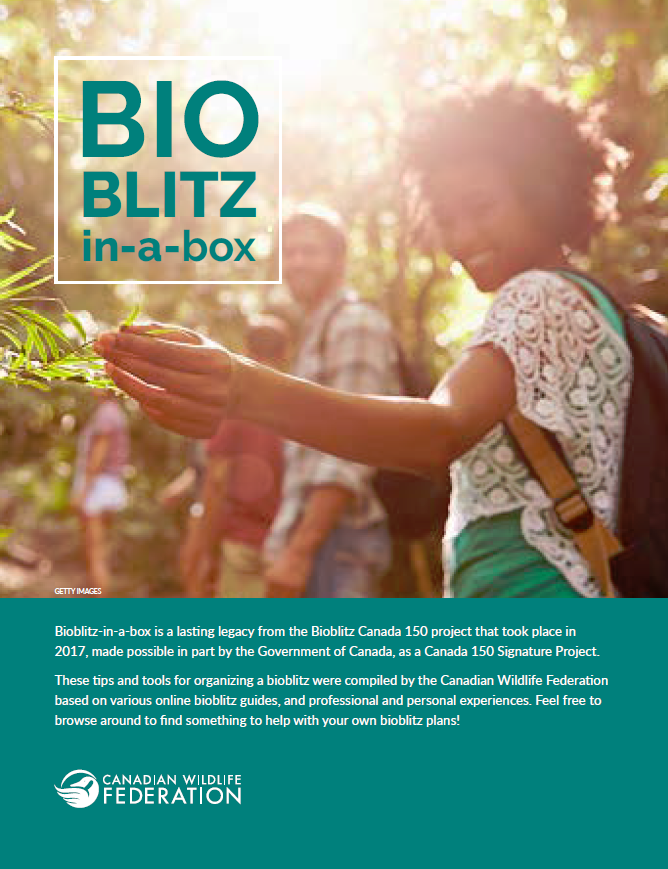
Bioblitz in a Box
2021-09-24
Bioblitz-in-a-box is a lasting legacy from the Bioblitz Canada 150 project that took place in 2017, made possible in part by the Government of Canada, as a Canada 150 Signature Project. These tips and tools for organizing a bioblitz were compiled by the Canadian Wildlife Federation based on various online bioblitz guides, and professional and personal experiences. Feel free to browse around to find something to help with your own bioblitz plans!
-
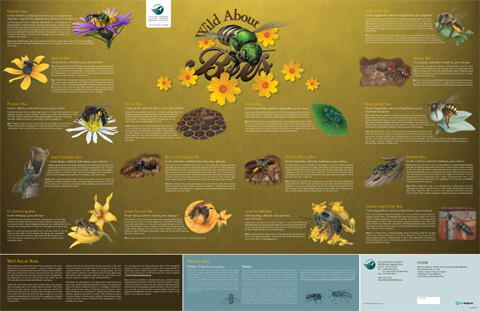
Wild About Bees Poster
2026-06-26
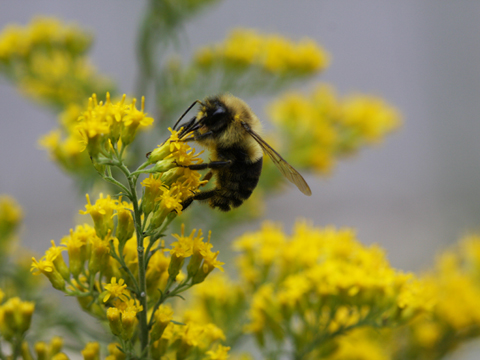
Approximately one-third of all human food is prepared from plants that depend on animal pollinators — and bees make the biggest contribution. The most familiar bee is the honey bee (Apis mellifera), which was introduced from Europe almost 400 years ago. Although we may first picture the honey bee when we think of pollinators, our native bees, such as the bumble bee or the mason bee, are often actually more effective and efficient pollinators. Unlike the social honey bee, which shares labour and caretak-ing of its young, most of our native bees are solitary. This means that each female prepares her own nest, provisions it with food (nectar and pollen) for her offspring, lays her eggs and provides little further care.
-

Helping Monarchs and Pollinators: Rethinking Mowing
2019-05-07
Pollinators are a priority resource concern for many conservationists and farmers. The Xerces Society conducted field trials throughout the Easter, Midwestern and Western United States to inform best practices.
-
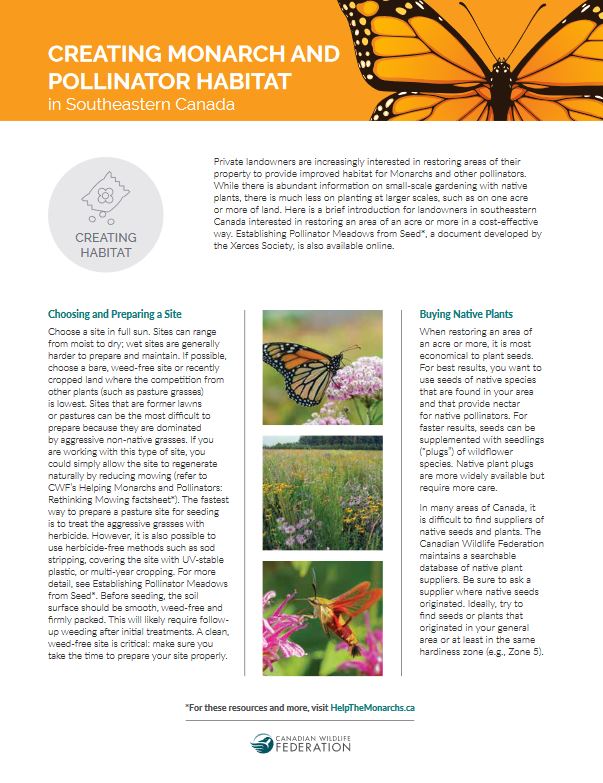
Creating Monarch and Pollinator Habitat
2026-06-26
Private landowners are increasingly interested in restoring areas of their property to provide improved habitat for Monarchs and other pollinators. While there is abundant information on small-scale gardening with native plants, there is much less on planting at larger scales, such as on one acre or more of land. Here is a brief introduction for landowners in southeastern Canada interested in restoring an area of an acre or more in a cost-effective way. Establishing Pollinator Meadows from Seed*, a document developed by the Xerces Society, is also available online
Forests & Fields

Lakes & Rivers
-

Invasive Species: Something Fishy in Canada’s Lakes & Rivers
2020-05-16
Grades 2-9, Science, Animals, Environmental Stewardship Join the Canadian Wildlife Federation (CWF) and the Centre for Global Education as we investigate what's happening in Canadian rivers and oceans. Our conversation will cover the roles of different species, how invasive species impacts local ecology, and what we can do to better support at-risk habitats.
-
Learning and Engagement Dialogue: Cumulative Effects under the Fisheries Act
2021-04-14
This 1:00 p.m. ET event is hosted by Aquatic Habitat Canada, a national network supporting aquatic habitat protection and restoration. This webinar series is based on the consultation topics of the current Fisheries and Oceans Canada’s Fish and Fish Habitat Protection Program (FFHPP) development process. For this first event, we will be hosting expert speakers from multiple sectors to present their involvement and perspectives on cumulative effects. The webinar will also include an open panel discussion and a Q&A period. This outreach event is intended to be informative and educational, while allowing public engagement. We welcome all perspectives and experiences to the event and hope to host productive discussions for those planning to make submissions to the FFHPP consultation process.
-
Turtle Talks Webinar
2021-04-20
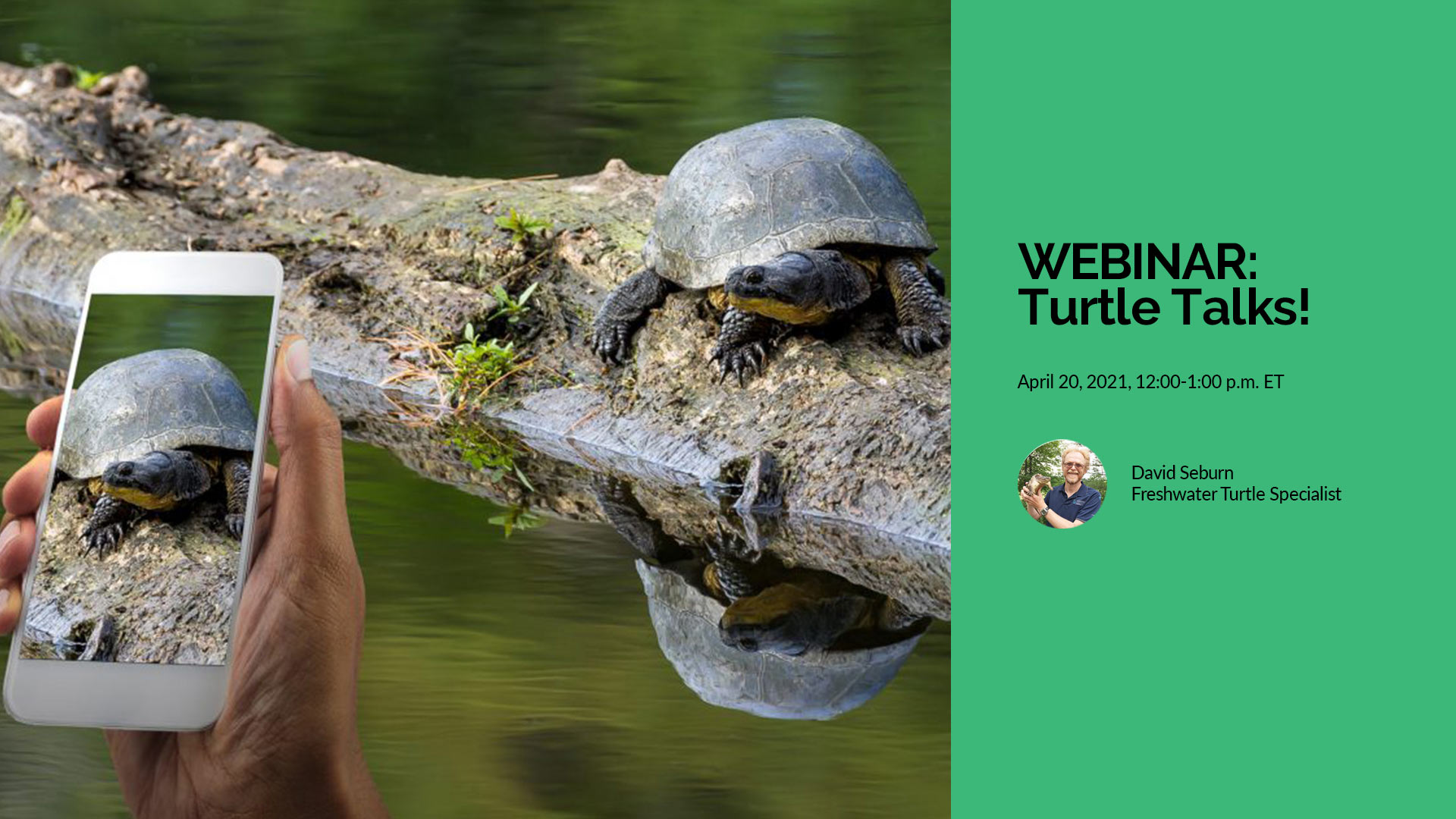
April 20, 2021, 12:00-1:00 p.m. ET Who doesn’t love turtles?! They’re cute, they’re interesting and they come in so many shapes and size. They’re also one of the most endangered groups of species in Canada. Join us for a webinar all about turtles, and discover what the Canadian Wildlife Federation is doing to help them and what you can do to help, too!
-
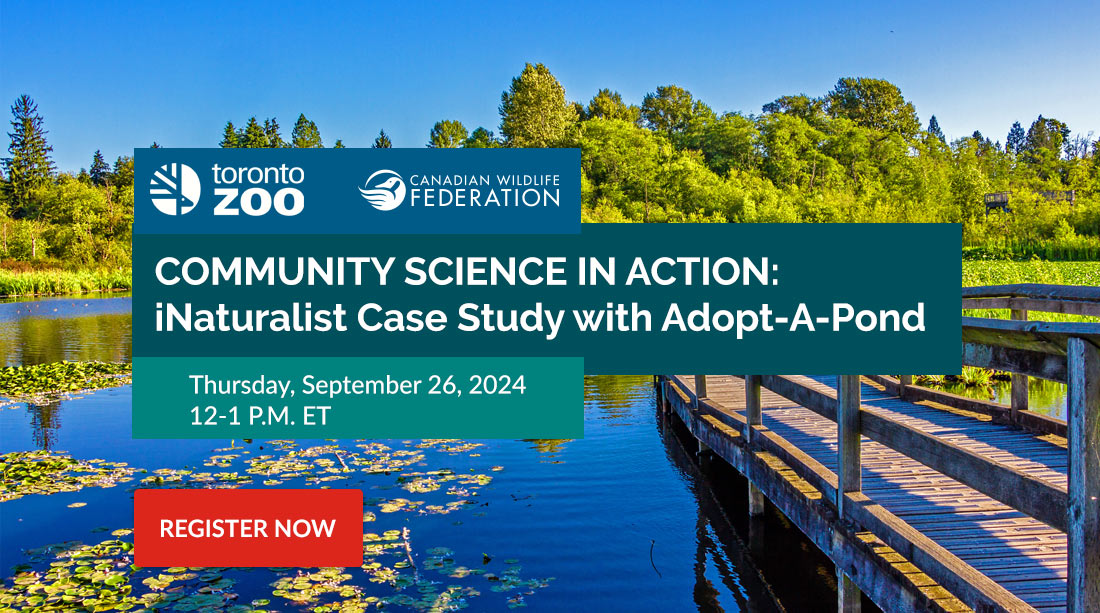
Community Science in Action: iNaturalist Case Study with Adopt-A-Pond
2024-09-26
Join the Canadian Wildlife Federation (CWF) for an insightful webinar that showcases how iNaturalist can be a powerful tool for citizen science programs. This session will highlight the Adopt-A-Pond (AAP) program by the Toronto Zoo as a case study, demonstrating the practical application of iNaturalist in conservation efforts. During this webinar we will guide you through the essential features of iNaturalist, using real-world examples from the Adopt-A-Pond program. You'll learn how iNaturalist supports environmental monitoring, enhances data collection, and contributes to research and conservation. Whether you're a seasoned user or new to the platform, this webinar will provide valuable insights and tips for using the iNaturalist app and website effectively. Don’t miss this opportunity to see how iNaturalist can elevate your citizen science initiatives!
-
Water We Without Oceans?
2021-06-08
June 8, 2021, at 1:00 pm ET /10:00 am PT Join us for a free, educational webinar as we explore our connection to the ocean. Our blue planet is powered by a water cycle that sustains life. Together we’ll dive deep into this cycle to discover how we are all connected to the ocean through our local watersheds.

Learn More

- 0
- 1
- 2
- 3