




-
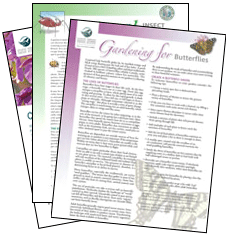 Guides, Infographics & Posters
Guides, Infographics & Posters
Take a closer look at the ways in which we’ll help you access the facts about wildlife. Whether it’s discovering the Hinterland Who’s Who animal fact sheets, or ordering our handy field guide to Canada’s prevalent shoreline species. This content is available to our CWF Supporters and online members. Please sign in to order your free materials.
More -
-
Wildlife E-cards
Wildlife E-cards
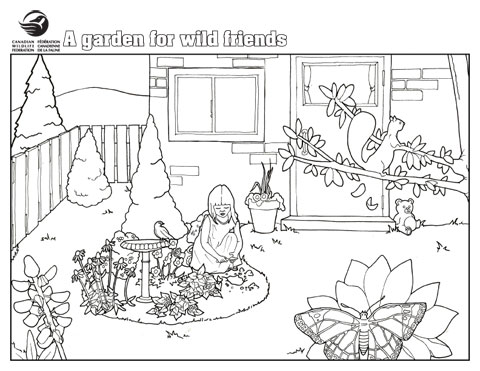
Send Dad a wildlife e-card! You cherish our wonderful wildlife and now you can send e-greetings that reflect your love of nature. We have developed a wide array of wildlife ecards for every occasion for you to share with your family and friends!
More -
 CWF Wallpapers
CWF Wallpapers
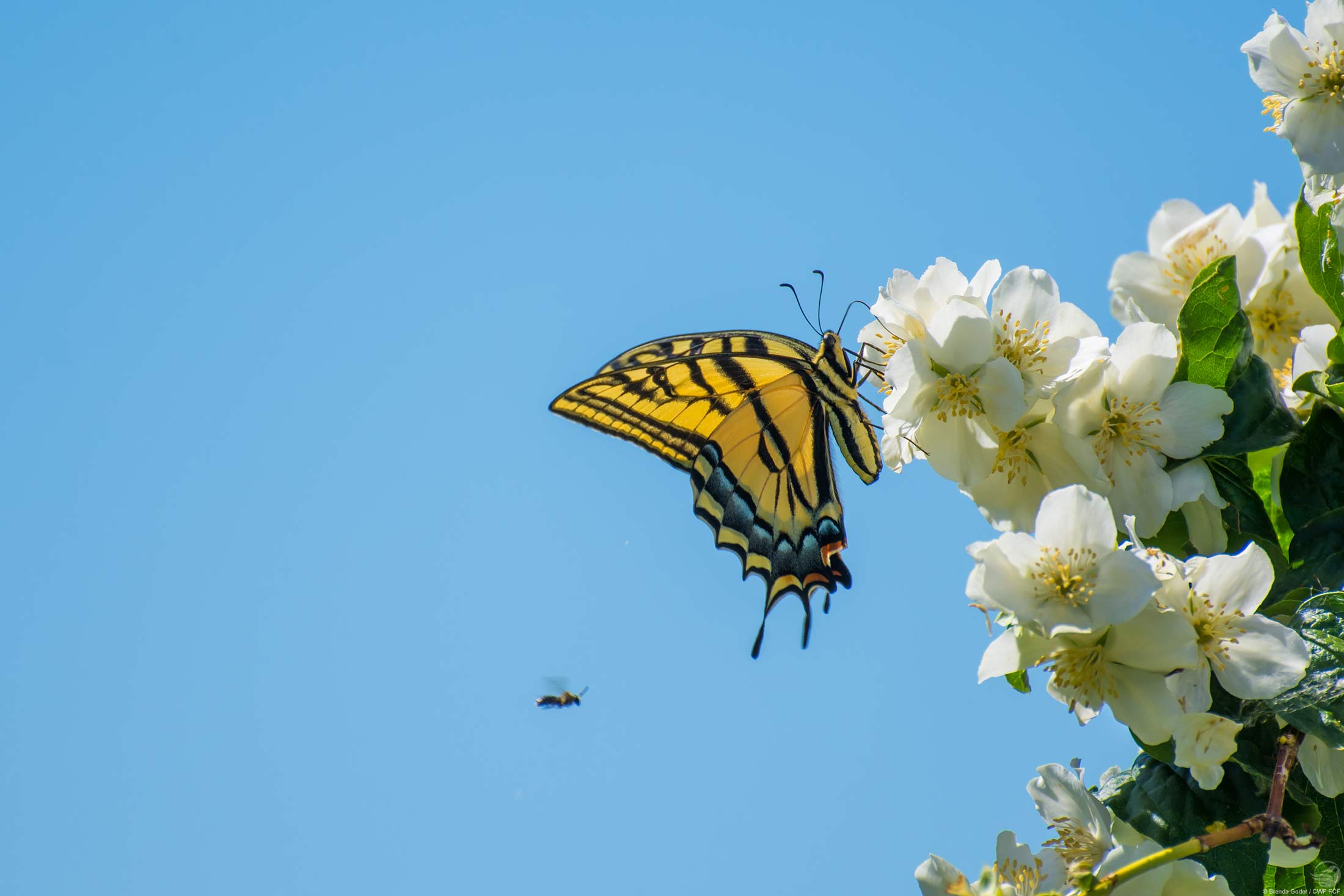
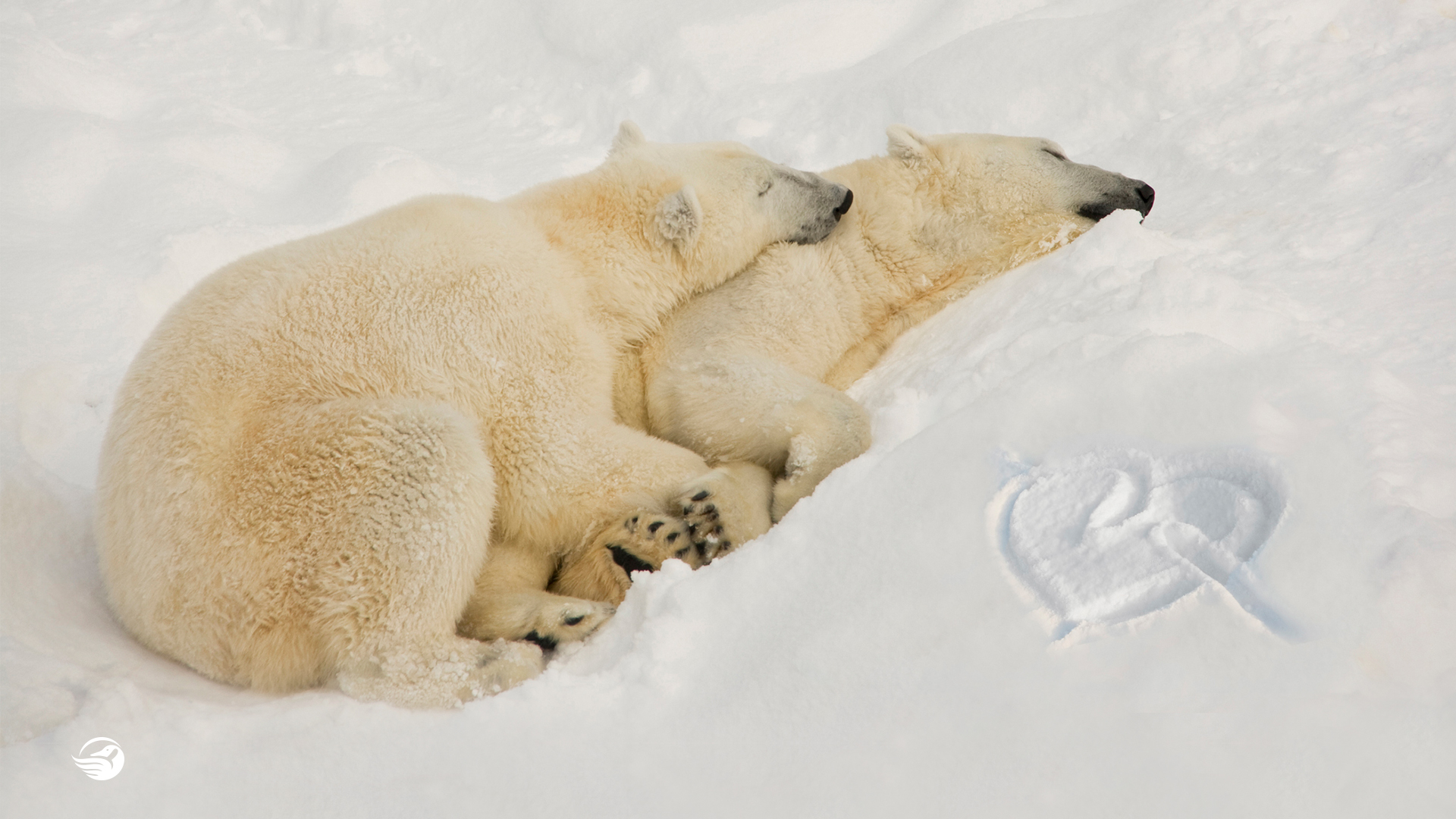
Your desktop is the perfect habitat for this wild wallpaper. Download CWF wallpapers!
More -
 WILD Webinars
WILD Webinars
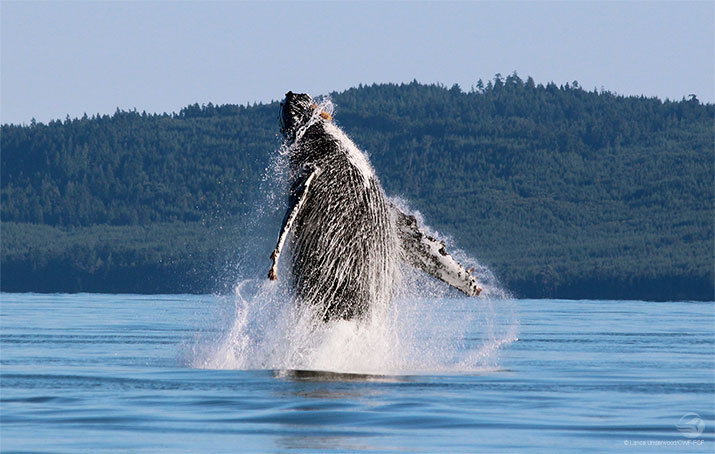
With topics relating to conservation, wildlife and habitat, we provide a relevant online learning platform, typically for grades four to six but of benefit to any age.
More

From easy-to-use apps designed as tools for your citizen science projects to picturesque wallpaper images for your computer, CanadianWildlifeFederation.ca offers a variety of useful downloads for your PC and mobile devices.
-
Sign up to the CWF Online Community
2025-12-05
Join the Canadian Wildlife Federation's online community and get exclusive access to news features, email updates, conservation issues and special offers.
-
Sign up to the CWF Online Community
2025-12-05
Join the Canadian Wildlife Federation's online community and get exclusive access to news features, email updates, conservation issues and special offers.
-
Copy of Your Connection with Wildlife
2026-06-26
Our mission is to conserve and inspire the conservation of Canada’s wildlife and habitats for the use and enjoyment of all. We believe this is important to you too.
-
-
Coasts & Oceans
-
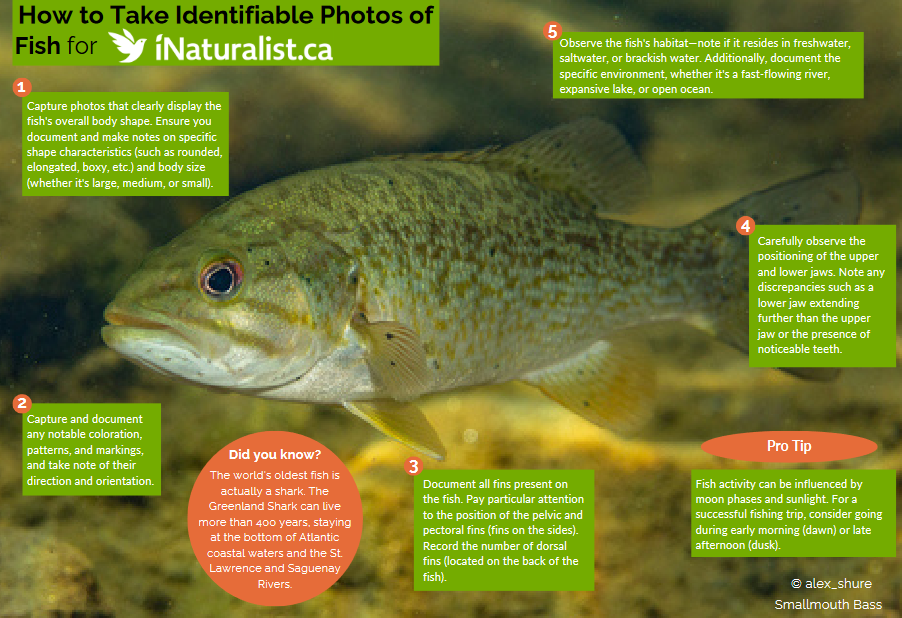
How to Take Identifiable Photos of Fish
2026-06-26
Taking photos of wildlife can be challenging. It is not essential to photograph every point on this diagram to get an identifiable observation. Just try your best! When photographing fish, minimize air exposure by taking an underwater photo whenever possible, allowing them to breathe freely. If taking a picture outside the water, keep the fish near the water and lift it briefly for the photo, limiting air exposure to 10 seconds or less. Be sure to follow local fishing guidelines and regulations.
-
-
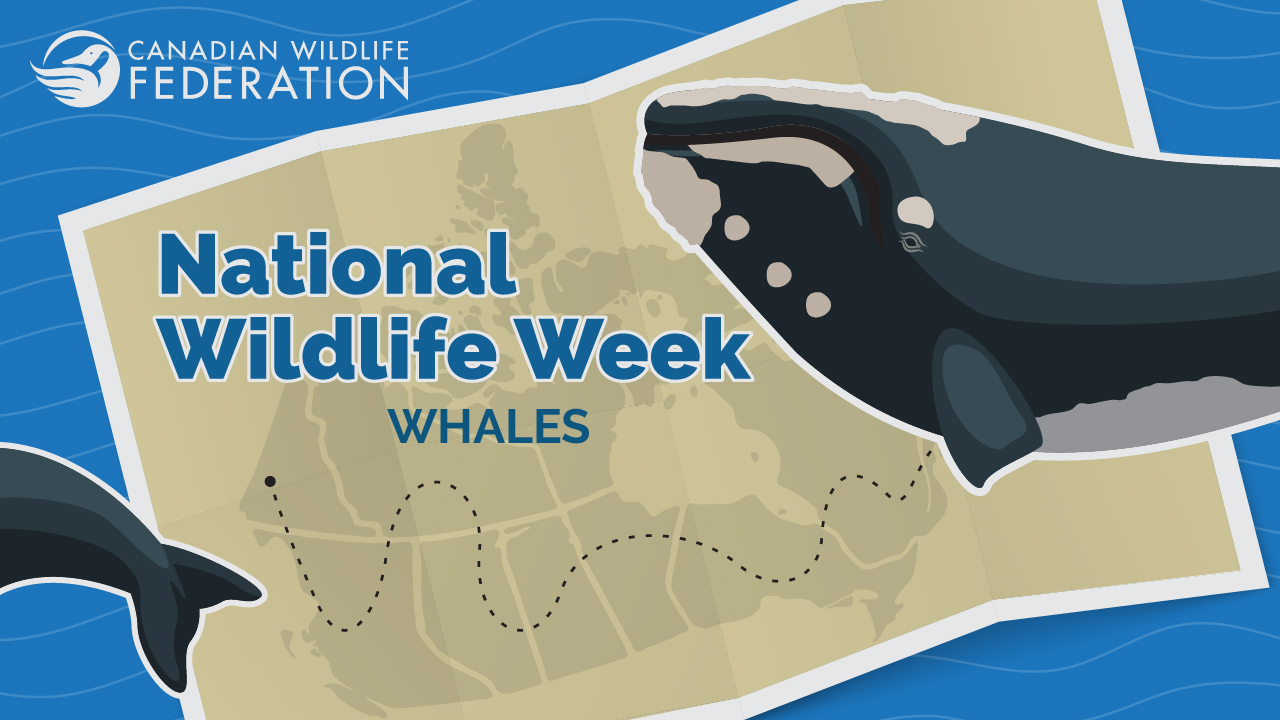
All About Whales With Rhyl Frith
2024-04-12
As part of the Canadian Wildlife Federation’s marine team, Rhyl Frith is the Field Trial Coordinator responsible for organizing and testing acoustic on-demand and low breaking strength fishing gear – two innovative types of fishing gear that are helping prevent whales and other marine species from becoming entangled in ropes and lead lines when they pass through an area. Join Rhyl for a deep dive into marine conservation, as we learn about the endangered North Atlantic Right Whale and explore CWF’s efforts to work collaboratively with fisheries to support their conservation through the application of new fishing technology.
-
How do we use the ocean?
2013-02-28
Dr. Sean Brillant continues his webinar series, talking to classes about how we use the ocean, and relating that information to the Africa to America's row, crossing the Atlantic ocean right now!
-
OAR Northwest: Wind, Waves and Wildlife
2013-05-24
In this webinar, Dr. Sean Brillant and Adam Kreek talk about wind, waves and wildlife with some attention on the waves that caused the OAR Northwest boat to capsize.
Connecting With Nature


Education & Leadership
-
Bike for Wildlife Webinar
2013-11-20
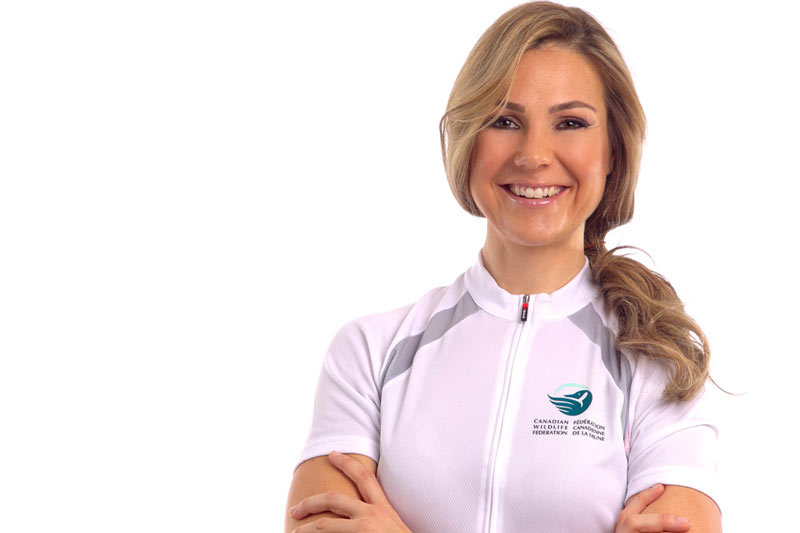
CWF Athlete Ambassador Angella Goran biked over 7,500km across Canada raising awareness for wildlife conservation. Departing in Victoria, BC on August 14th, Angella just concluded this incredible journey October 30th in Halifax, NS. Along her trek, Angella visited schools and shared stories of the ride where she highlighted the importance of getting outside and connecting with nature. CWF and Angella invite classrooms across Canada to join her in a live webinar where students can learn about the Bike for Wildlife and have the opportunity to interact with Angella. During the webinar, Angella will be speaking about the following: • Bike for Wildlife and her experience • How the Bike for Wildlife supports wildlife conservation in Canada • The importance of being outside • The importance of connecting with nature • Q&A Suggested audience: Grades 3 through 8
-
Ocean Habitats and Wildlife Webinar
2013-02-27
Dr. Sean Brillant continues his webinar series, talking to classes about Ocean Habitats and Wildlife as they relate to the Africa to America's row, crossing the Atlantic ocean right now!
-
Live with the Africa to Americas Expedition Rowers Webinar
2013-04-18
In this CWF Education webinar, the rowers discuss their incredible adventure, what they learned, their amazing rescue, and what's next.
-
Microbial community changes across the Mississippi River
2015-10-27
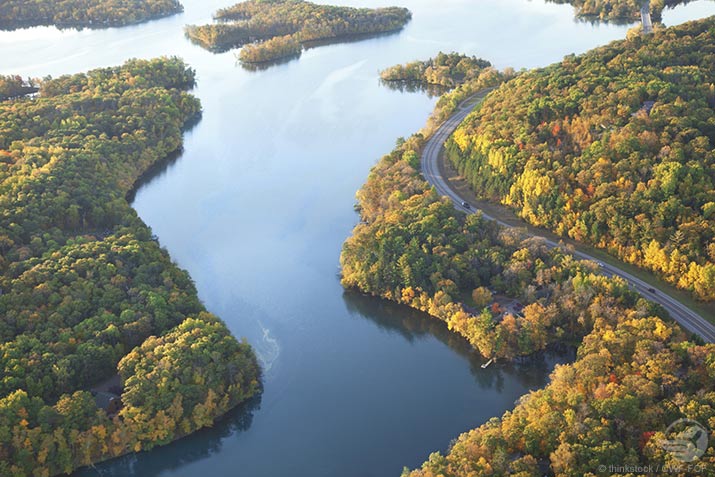
Dr. Cameron Thrash returns to the OAR Northwest Education webinar this season to discuss microbial community composition changes across river tributaries, and its effects on the Mississippi River and greater communities. Early findings are derived from wet samples taken by last year’s expedition crew during Adventure: Mississippi River 2014.
-
OAR Northwest: What are the rowers seeing out there?
2013-02-26
In the first webinar, Dr. Sean Brilliant, CWF Marine Program Manager, talks to students about what habitats and wildlife the rowers may encounter during the CWF Africa to America's Expedition.
Endangered Species & Biodiversity
-
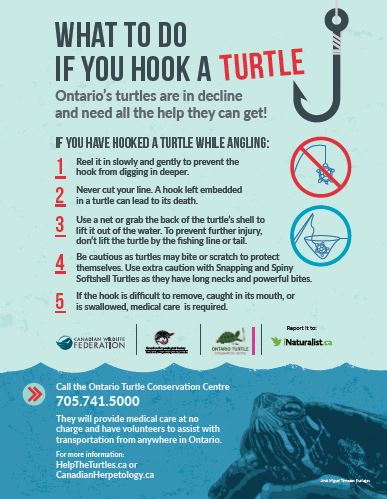
What to do if you hook a turtle
2019-05-30
Ontario’s turtles are in decline and need all the help they can get!
-
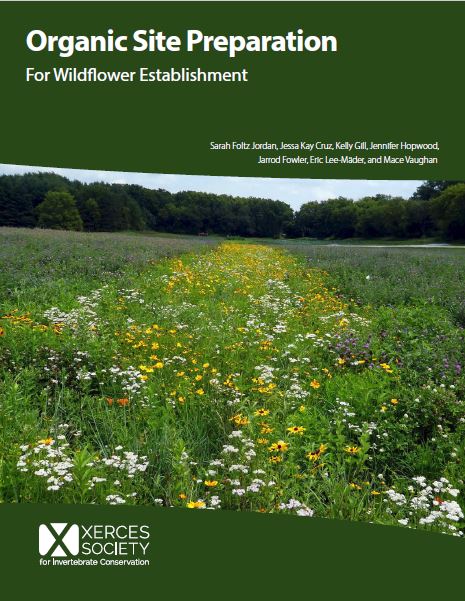
Organic Site Preparation for Wildflower Establishment
2019-05-07
Pollinators are a priority resource concern for many conservationists and farmers. The Xerces Society conducted field trials throughout the Easter, Midwestern and Western United States to inform best practices.
-
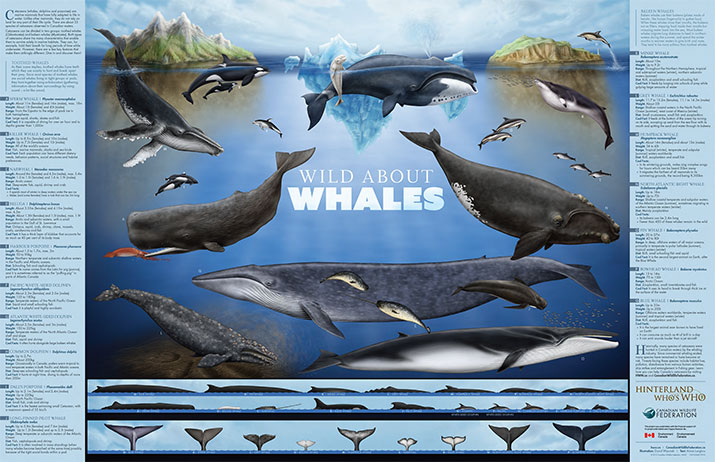
Wild About Whales Poster
2026-06-26
Cetaceans (whales, dolphins and porpoises) are marine mammals that have fully adapted to life in water. Unlike other mammals, they do not rely on land for any part of their life cycle. There are about 33 species of cetaceans observed in Canadian waters.Cetaceans can be divided in two groups: toothed whales (Odontocetes) and baleen whales (Mysticetes). Both types of cetaceans share the many characteristics that enable them to survive solely in marine habitats. They can, for example, hold their breath for long periods of time while underwater. However, there are a few key features that make them strikingly different. Dive in and discover them!
-
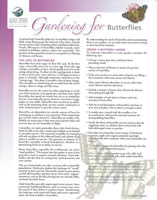
Gardening for Butterflies Handout
2026-06-26
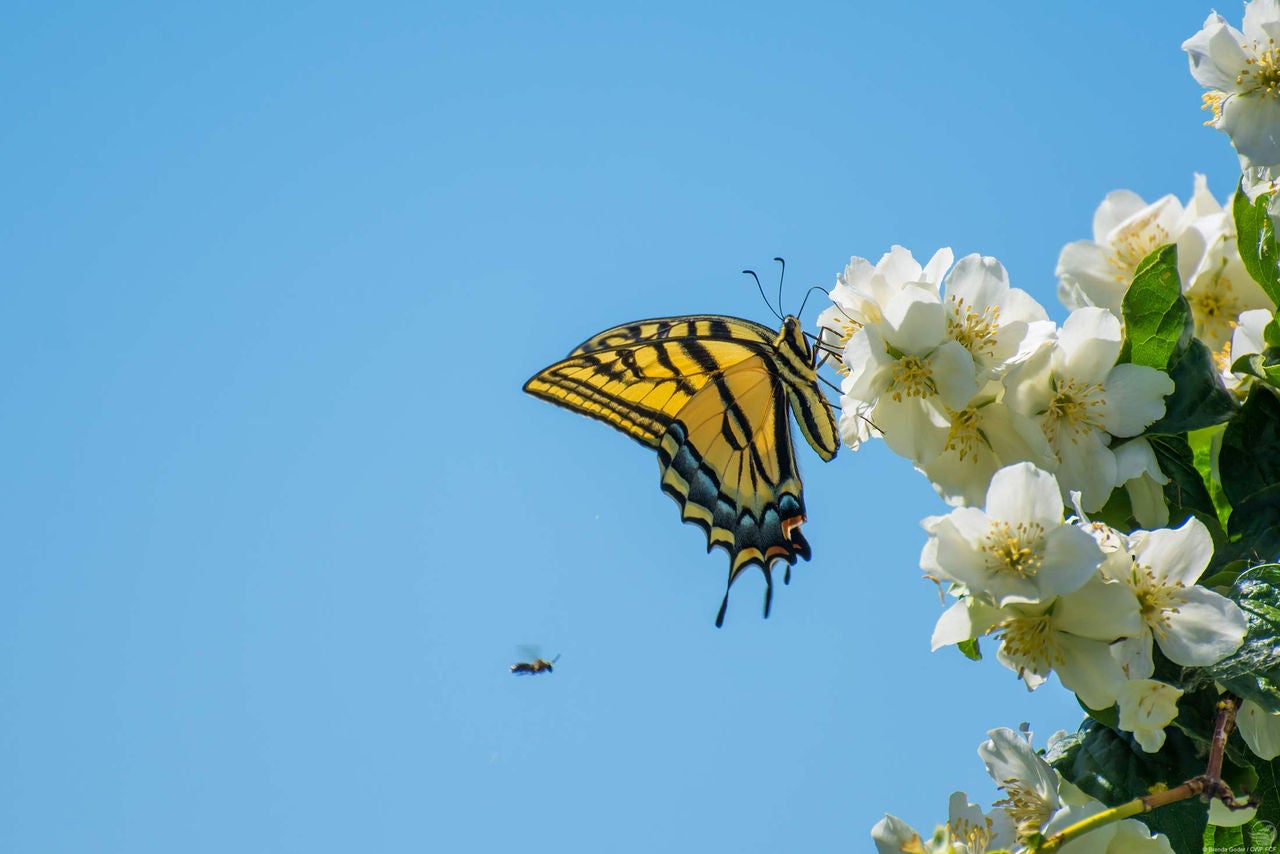
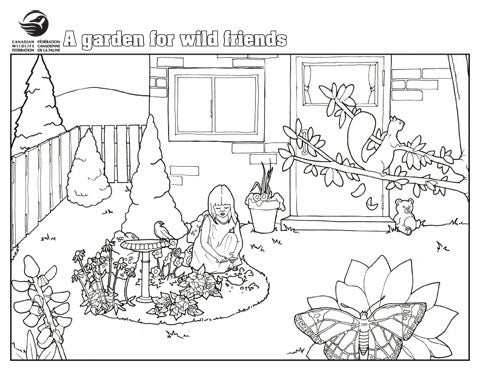
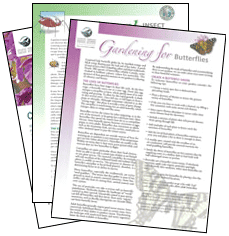
Nearly 300 species of butterflies inhabit Canada, some cloaked in brilliant colours, others less noticeable. The presence of these graceful creatures in our gardens is a blessing of vibrancy and beauty.
-
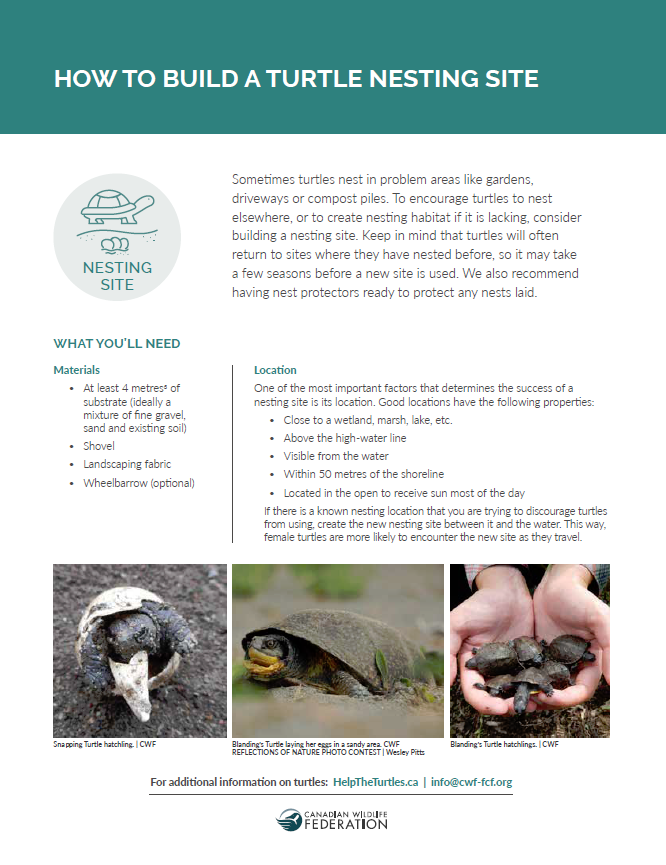
How To Build a Turtle Nesting Site
2026-06-26
Sometimes turtles nest in problem areas like gardens, driveways or compost piles. To encourage turtles to nest elsewhere, or to create nesting habitat if it is lacking, consider building a nesting site. Keep in mind that turtles will often return to sites where they have nested before, so it may take a few seasons before a new site is used. We also recommend having nest protectors ready to protect any nests laid.
Forests & Fields
-
-
-
-
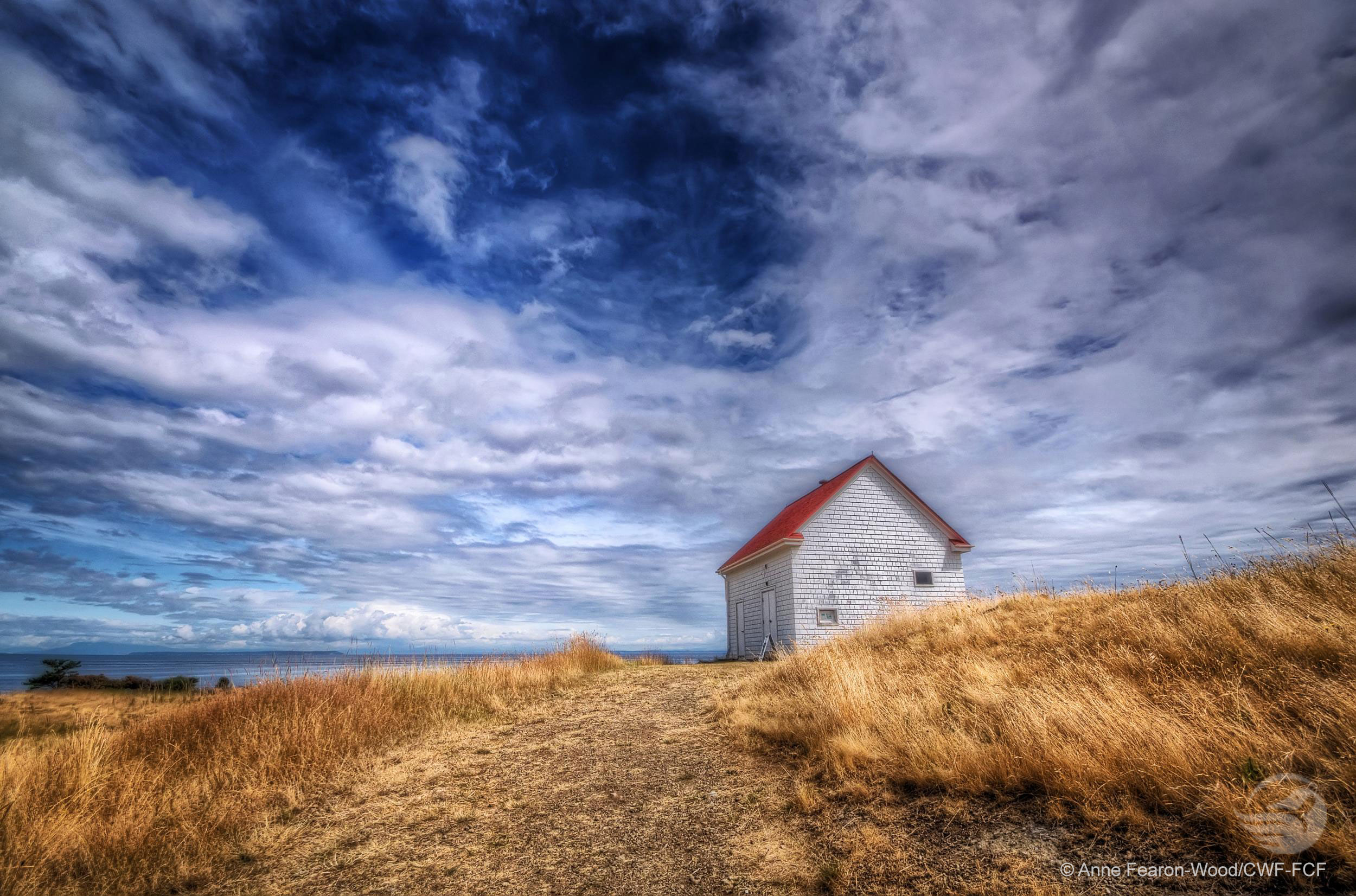
Saturna Island, British Columbia
2014-05-01
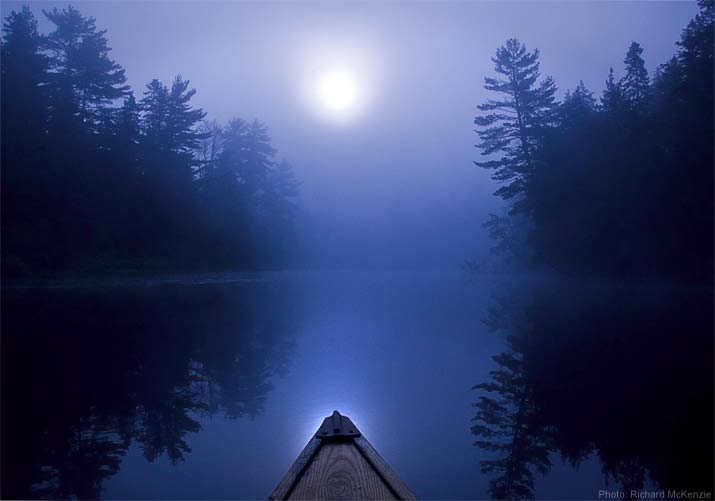
Download this wallpaper of Saturna Island, British Columbia
-
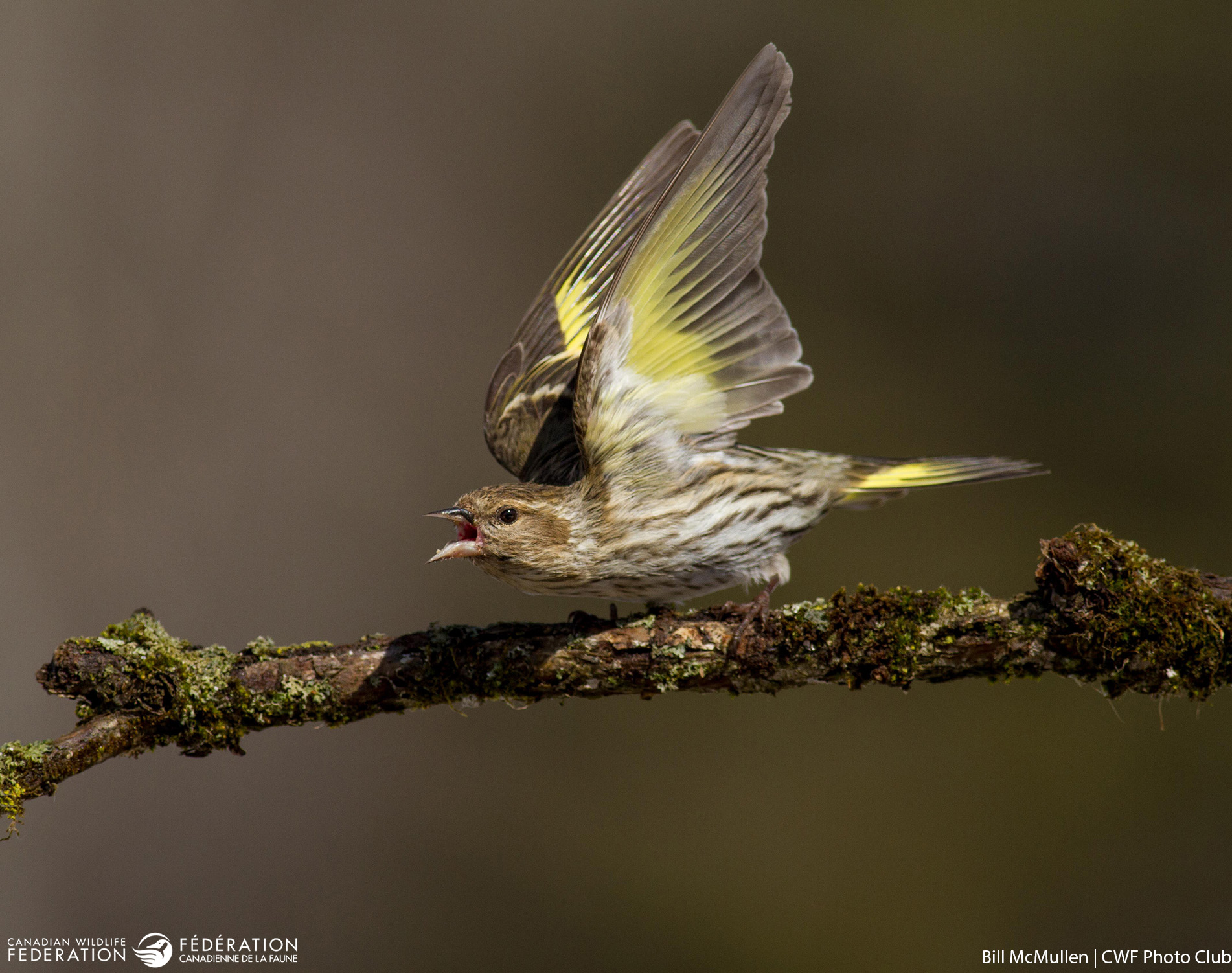
Lakes & Rivers
-
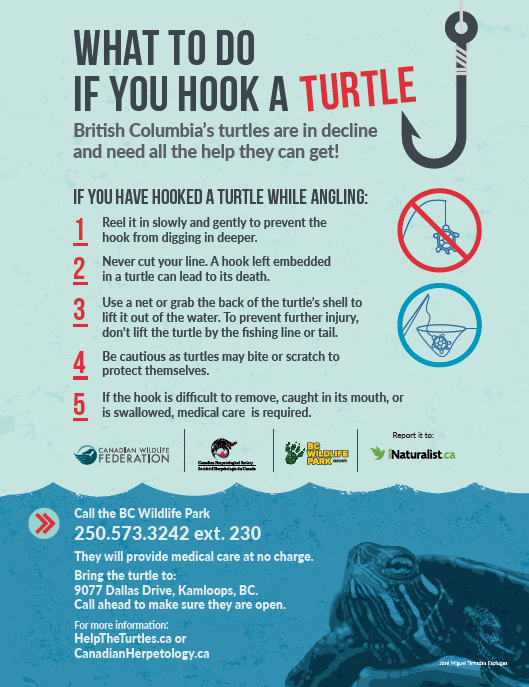
What to do if You Hook a Turtle in B.C.
2020-04-27
British Columbia’s turtles are in decline and need all the help they can get!
-
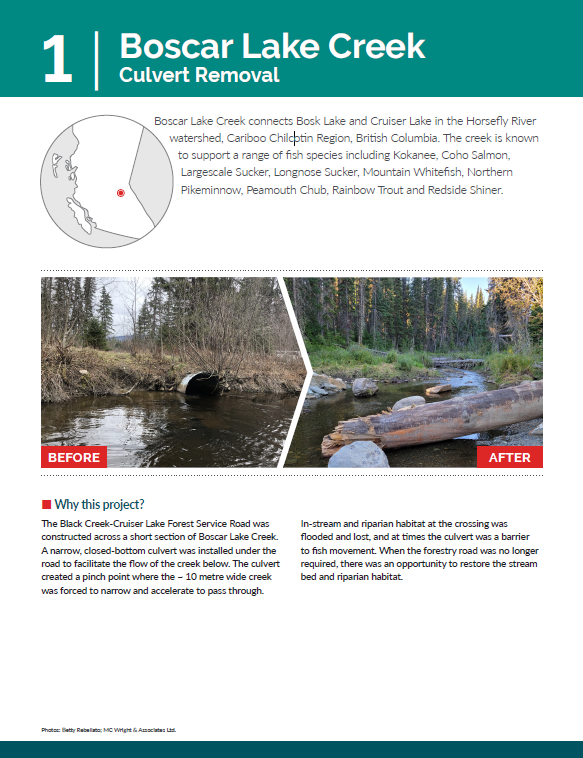
Boscar Lake Creek Culvert Removal
2023-11-16
Boscar Lake Creek connects Bosk Lake and Cruiser Lake in the Horsefly River watershed, Cariboo Chilcotin Region, British Columbia. The creek is known to support a range of fish species including Kokanee, Coho Salmon, Largescale Sucker, Longnose Sucker, Mountain Whitefish, Northern Pikeminnow, Peamouth Chub, Rainbow Trout and Redside Shiner.
-
How to Take Identifiable Photos of Fish
2026-06-26
Taking photos of wildlife can be challenging. It is not essential to photograph every point on this diagram to get an identifiable observation. Just try your best! When photographing fish, minimize air exposure by taking an underwater photo whenever possible, allowing them to breathe freely. If taking a picture outside the water, keep the fish near the water and lift it briefly for the photo, limiting air exposure to 10 seconds or less. Be sure to follow local fishing guidelines and regulations.
-
-

Learn More

- 0
- 1
- 2
- 3