




-
 Guides, Infographics & Posters
Guides, Infographics & Posters
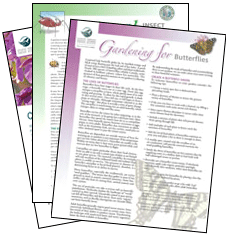
Take a closer look at the ways in which we’ll help you access the facts about wildlife. Whether it’s discovering the Hinterland Who’s Who animal fact sheets, or ordering our handy field guide to Canada’s prevalent shoreline species. This content is available to our CWF Supporters and online members. Please sign in to order your free materials.
More -
-
Wildlife E-cards
Wildlife E-cards
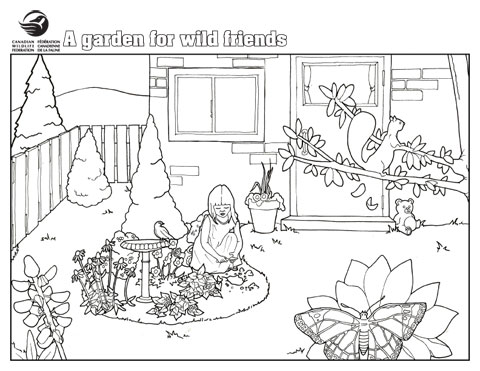
Send Dad a wildlife e-card! You cherish our wonderful wildlife and now you can send e-greetings that reflect your love of nature. We have developed a wide array of wildlife ecards for every occasion for you to share with your family and friends!
More -
 CWF Wallpapers
CWF Wallpapers
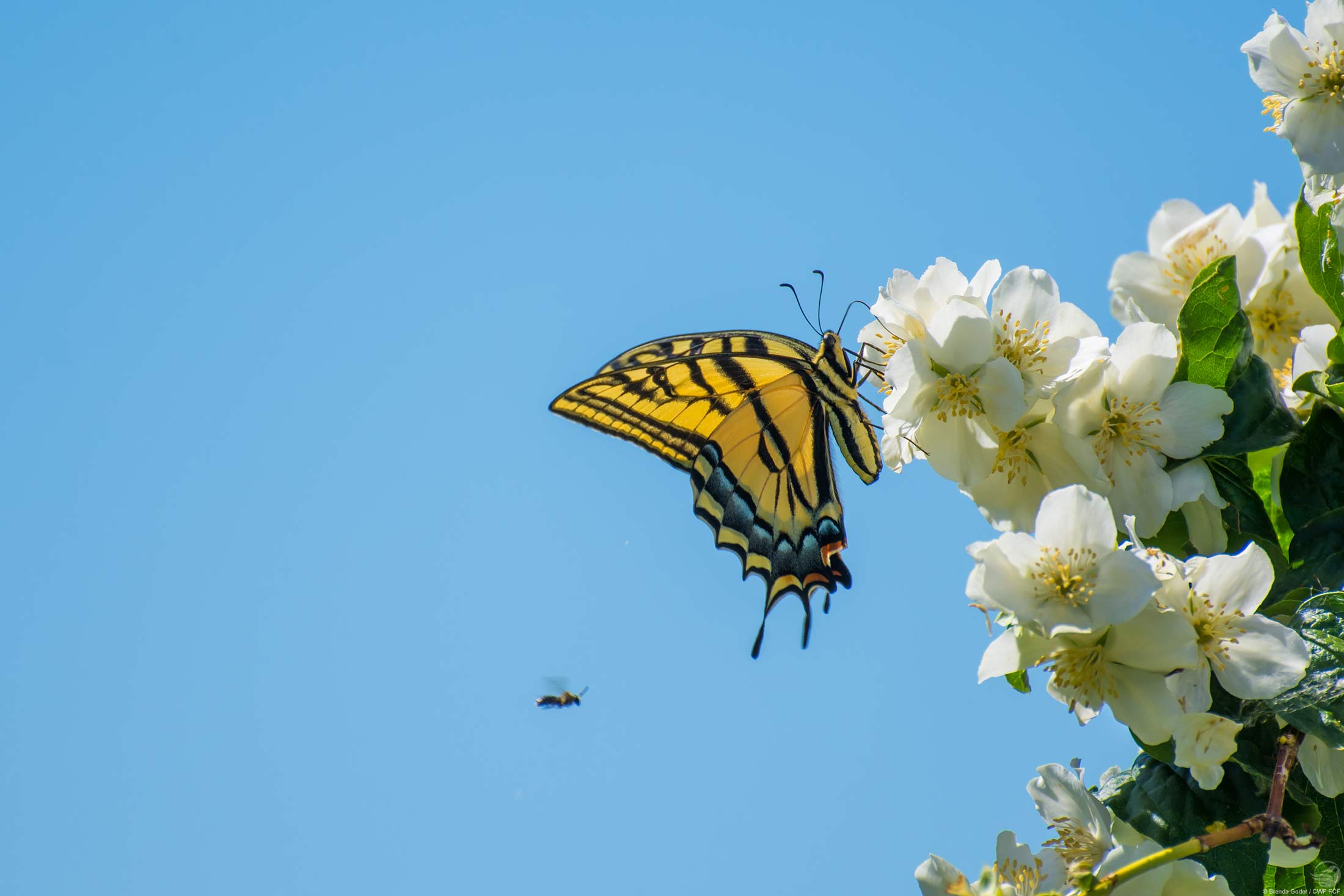
Your desktop is the perfect habitat for this wild wallpaper. Download CWF wallpapers!
More -
 WILD Webinars
WILD Webinars
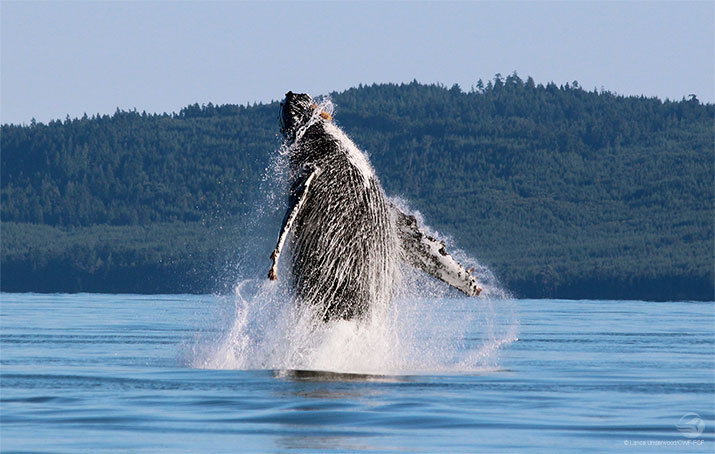
With topics relating to conservation, wildlife and habitat, we provide a relevant online learning platform, typically for grades four to six but of benefit to any age.
More

From easy-to-use apps designed as tools for your citizen science projects to picturesque wallpaper images for your computer, CanadianWildlifeFederation.ca offers a variety of useful downloads for your PC and mobile devices.
Coasts & Oceans
-
The Build
2026-06-26
Join the Canadian Wildlife Federation and friends for a Totally Wild Webinar. Sail away with us to the Gaspé Peninsula, where high school students are building sail boats as part of an exciting new initiative that teaches science, math, history, geography and best practices on the water.
Connecting With Nature
-
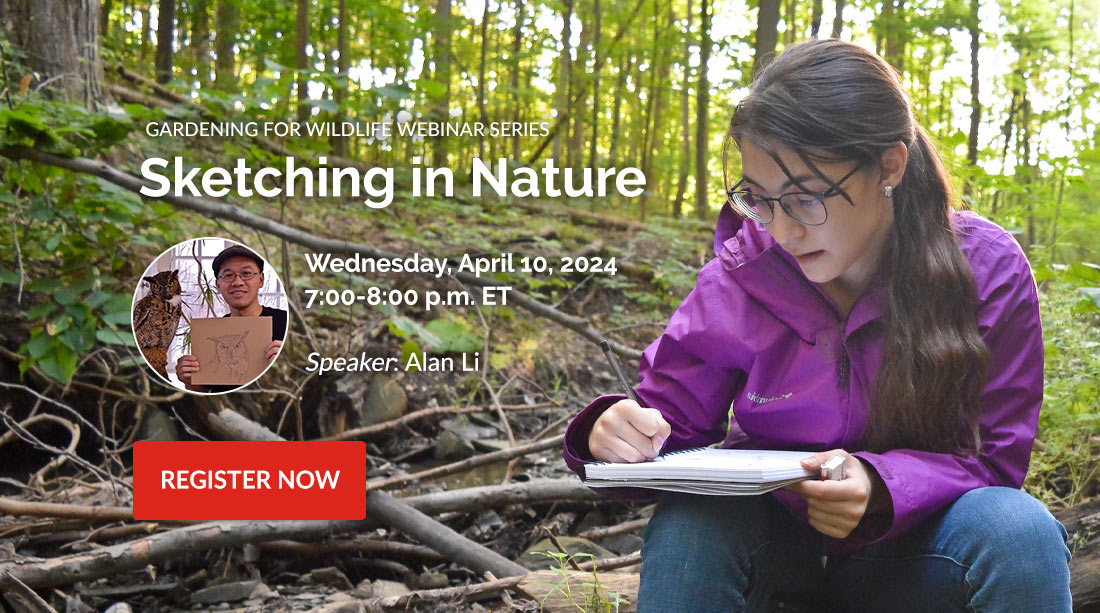
Sketching in Nature
2024-04-10
Join CWF for our webinar “Sketching in Nature”, a creative activity that can enrich your understanding of the natural world. Our guest speaker, Alan Li, is both a brilliant artist and a down-to-earth teacher who will share practical advice on sketching outdoors including which art supplies work best in the field. He will also give you a peek inside his sketchbooks and provide tips on how to make expressive sketches of your subjects, whether it’s a perching bird or fallen leaf, without sacrificing accuracy or realism. Sketching is for all ages and all abilities. You do not require an art degree nor do you need to feel intimidated. The best place to begin your sketching adventures is close to home; your local park, a nearby creek or woodlands are wonderful places to explore.
-
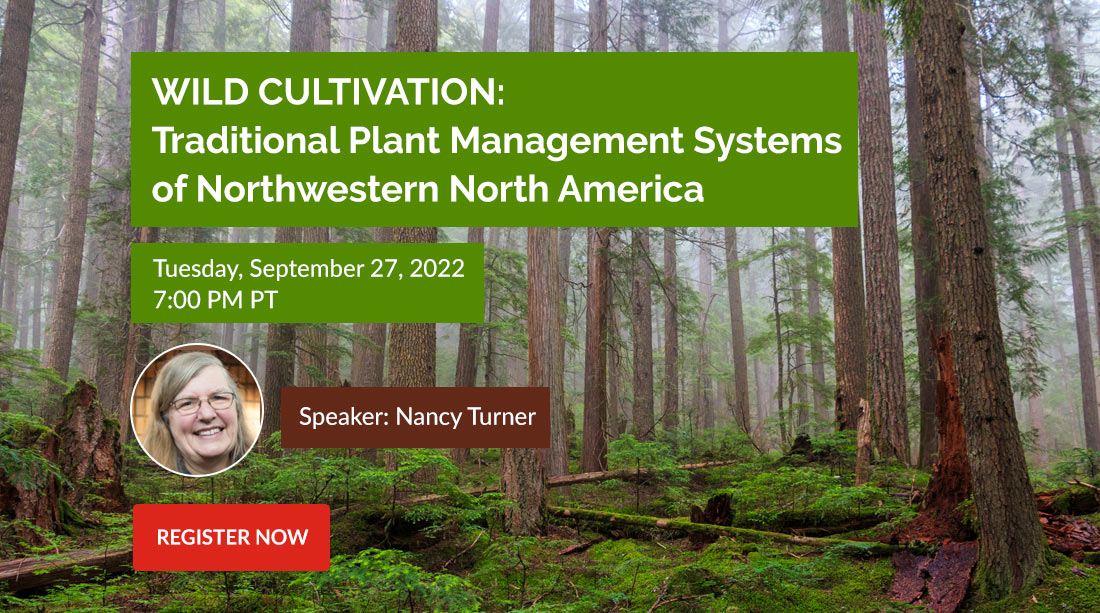
“Wild cultivation”: Traditional Plant Management Systems of Northwestern North America
2022-09-27
Please join CWF Tuesday September 27 at 7:00 p.m. Pacific Time (10 p.m. Eastern Time) for a very special presentation with Nancy Turner, an award-winning ethnobotanist who has worked with Indigenous Elders and knowledge holders in western Canada for over 50 years. Nancy will share her insights on how the cultural values of the Indigenous Peoples in the Northwest have enhanced both the health of the land and their harvests. We hope you will join us for this special event! About Nancy Turner: Nancy Turner is an ethnobotanist, and Distinguished Professor Emerita, School of Environmental Studies, University of Victoria, Canada. She has worked with First Nations elders and cultural specialists in northwestern North America for over 50 years, helping to document, retain and promote their traditional knowledge of plants and environments, including Indigenous foods, materials and traditional medicines. Her two-volume award-winning book, Ancient Pathways, Ancestral Knowledge (July, 2014; McGill-Queen’s University Press), integrates her long-term research. She has authored or co-authored/co-edited 30 other books, including: Plants of Haida Gwaii; The Earth’s Blanket; “Keeping it Living” (with Doug Deur); Saanich Ethnobotany (with Richard Hebda), and Food Plants of Coastal First Peoples, and over 150 book chapters and papers. Her recent edited book is Plants, People and Places: the Roles of Ethnobotany and Ethnoecology in Indigenous Peoples’ Land Rights in Canada and Beyond (2020). She has received a number of awards for her work, including membership in Order of British Columbia (1999) and the Order of Canada (2009), honorary degrees from University of British Columbia, University of Northern British Columbia and Vancouver Island and Simon Fraser Universities.
-
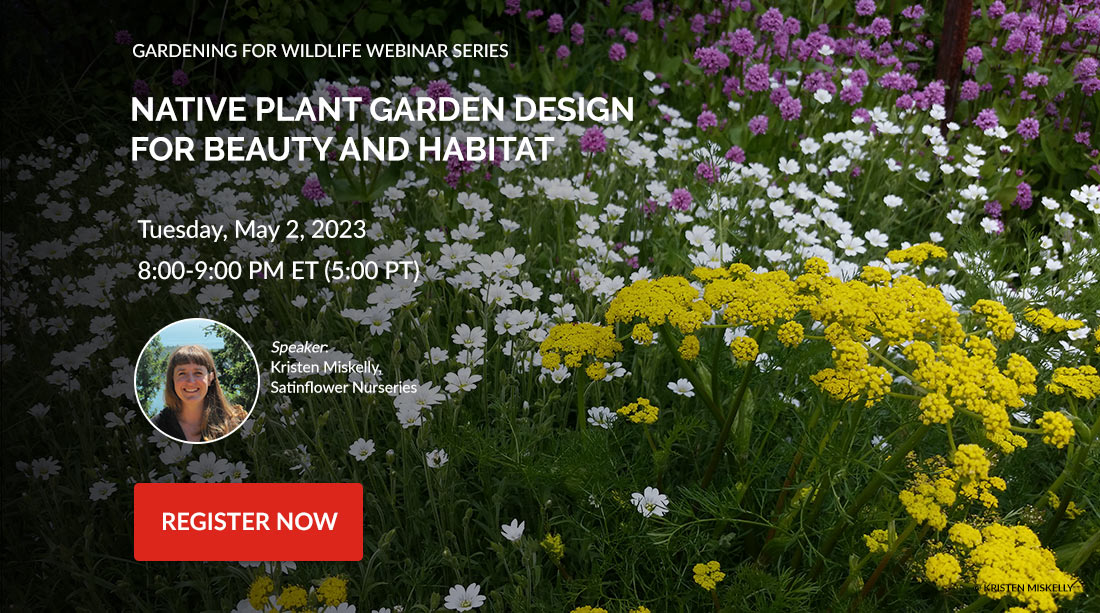
Native Plant Garden Design for Beauty and Habitat
2023-05-02
Join CWF as Kristen Miskelly, biologist and owner of a native plant nursery and consulting business, shares design principles for home gardens. She will also touch upon using native plants in creating green roofs, rain gardens and planting along septic beds and boulevards. Kristen will guide you through various aspects of working with native plants, from choosing the best plants for your spot, site preparation, design considerations, maintenance and timing of activities. Examples from British Columbia will be shared, but the principles can be applied broadly across our Canadian landscapes. We hope you can join us!
-
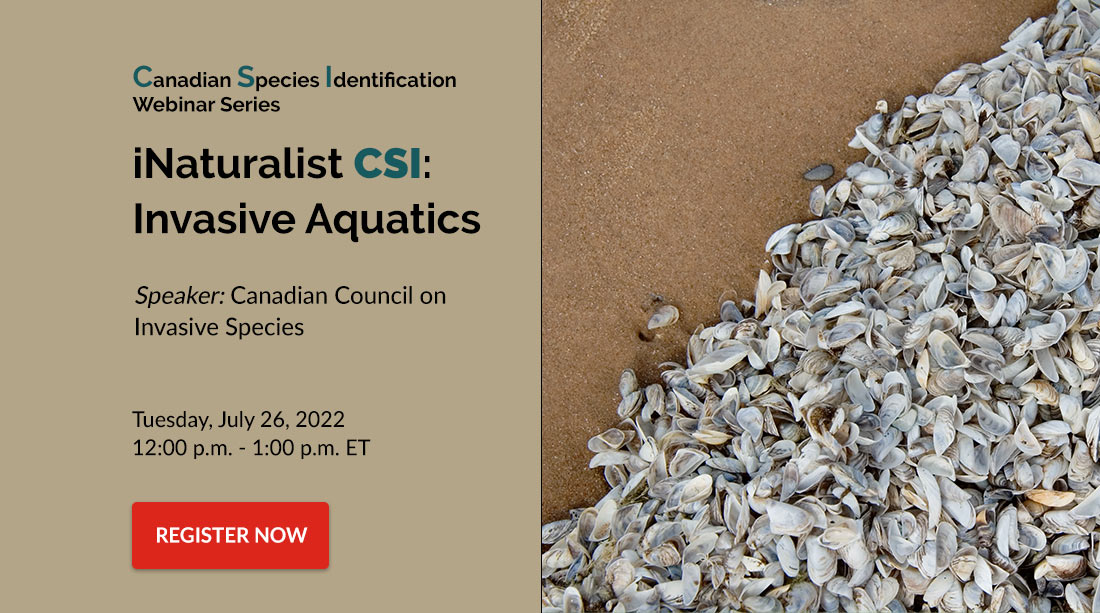
iNaturalist CSI: Invasive Aquatics
2022-07-26
Join the Canadian Wildlife Federation (CWF) July 26th, 12:00-1:00 Eastern for a webinar on how to photograph and identify Canada’s top 10 invasive aquatics using iNaturalist.ca, presented by the Canadian Council on Invasive Species (CCIS). Nearly one-fifth of the Earth’s surface is at risk of plant and animal invasions. Invasive species are threatening Canada’s ecosystems, economy and communities. Climate change is also exacerbating this issue and can make ecosystems more vulnerable to invasive species, and invasive species can worsen the impacts of climate change. The good news is - you can help! Learn how to ID Canada’s top 10 invasive aquatics so you can report them, helping to stop their spread. Every report helps scientists track and protect Canada’s natural spaces and biodiversity from the negative impacts of invasive species. iNaturalist has become one of the world’s most popular nature apps and the Canadian Wildlife Federation has led the charge in bringing it to the forefront of Canadian citizen science.
-
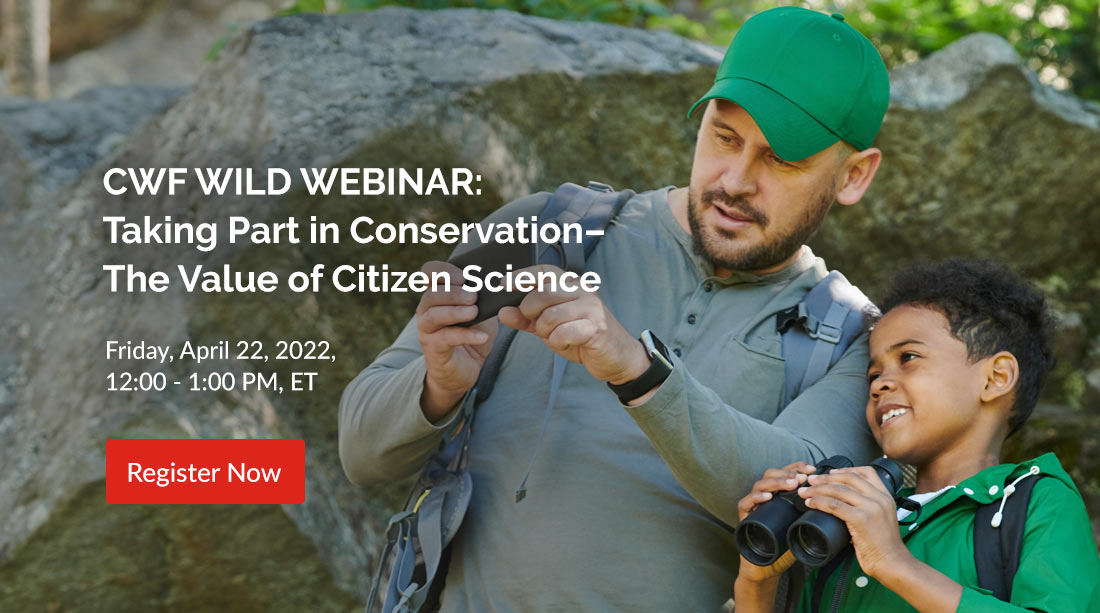
Taking Part in Conservation: The Value of Citizen Science
2022-04-22
April 22, 2022: English 12-1 ET, French 2-3 ET.. Join the Canadian Wildlife Federation in celebration of Earth Day and CWF’s 60th anniversary in learning how you can contribute to conservation using just a phone or digital camera. Ordinary people turned citizen scientists are contributing valuable information every day to help conserve our natural world. Through apps and websites like iNaturalist Canada and initiatives like the City Nature Challenge, thousands of people are contributing millions of observations, filling gaps that scientists can’t accomplish on their own. Join CWF’s English Webinar with James Pagé to hear about the value of citizen science data and how to take part. Join CWF’s French webinar with Alexandre Anctil (of the Centre de données sur le patrimoine naturel du Québec) to hear about the value of citizen science to the Quebec Conservation Data centre and how to take part.
Education & Leadership
Endangered Species & Biodiversity
-

Going to Bat for Canada's Bats
2022-10-28
Are you afraid of bats? Many myths and misinformation exist about bats, but did you know they play a vital role in helping control insect populations? Join the Canadian Wildlife Federation just in time for Halloween as we shed some light on this amazing nocturnal creature, and highlight how you can "go to bat” for bats in your own school or community! Don't forget to come dressed as your favourite creepy crawley!
-
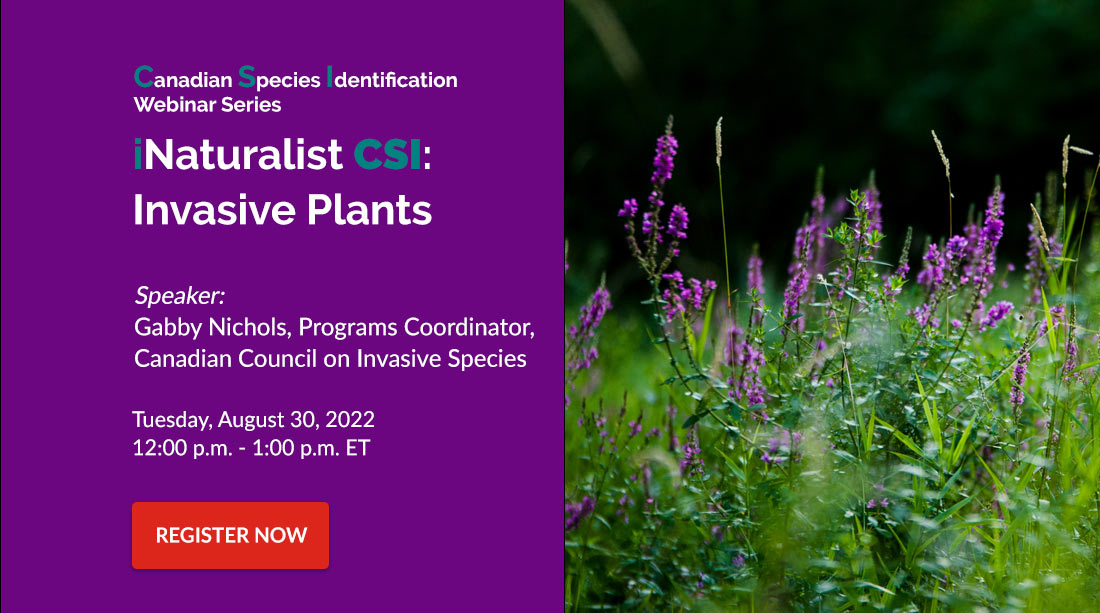
iNaturalist CSI: Invasive Plants
2022-08-30
Join the Canadian Wildlife Federation (CWF) for a webinar on how to photograph and identify Canada’s top 10 invasive plants using iNaturalist.ca, presented by the Canadian Council on Invasive Species (CCIS). Nearly one-fifth of the Earth’s surface is at risk of plant and animal invasions. Invasive species are threatening Canada’s ecosystems, economy and communities. Climate change is also exacerbating this issue and can make ecosystems more vulnerable to invasive species, and invasive species can worsen the impacts of climate change. The good news is - you can help! Learn how to ID Canada’s top 10 invasive plants so you can report them, helping to stop their spread. Every report helps scientists track and protect Canada’s natural spaces and biodiversity from the negative impacts of invasive species. iNaturalist has become one of the world’s most popular nature apps and the Canadian Wildlife Federation has led the charge in bringing it to the forefront of Canadian citizen science. Date: August 30th, 12:00-1:00 Eastern
-

Into the Bat Cave: The Mysterious World of Bats and Bat Research
2023-10-25
As Halloween approaches bats are often depicted as terrors of the night. But the real threat is that bat populations are in steep declines in Canada… and humans are mostly to blame. Bats are much more terrorized by us than we are by them. Join CWF’s Bat Researcher Bailey Bedard to lean about the different Canadian bat species, the amazing abilities they have and the benefits they provide humans and the ecosystem. You will also be able to find out more about CWF’s bat research and how humans, while the primary threat to bats, can also be part of the solution to helping them recover. Date, Time, Time Zone:Wednesday October 25, 6 pm Eastern Time Host: Bailey Bedard, Bat Researcher, James Pagé Species at risk and Biodiversity Specialist, Emily Becker, Bat Researcher
-
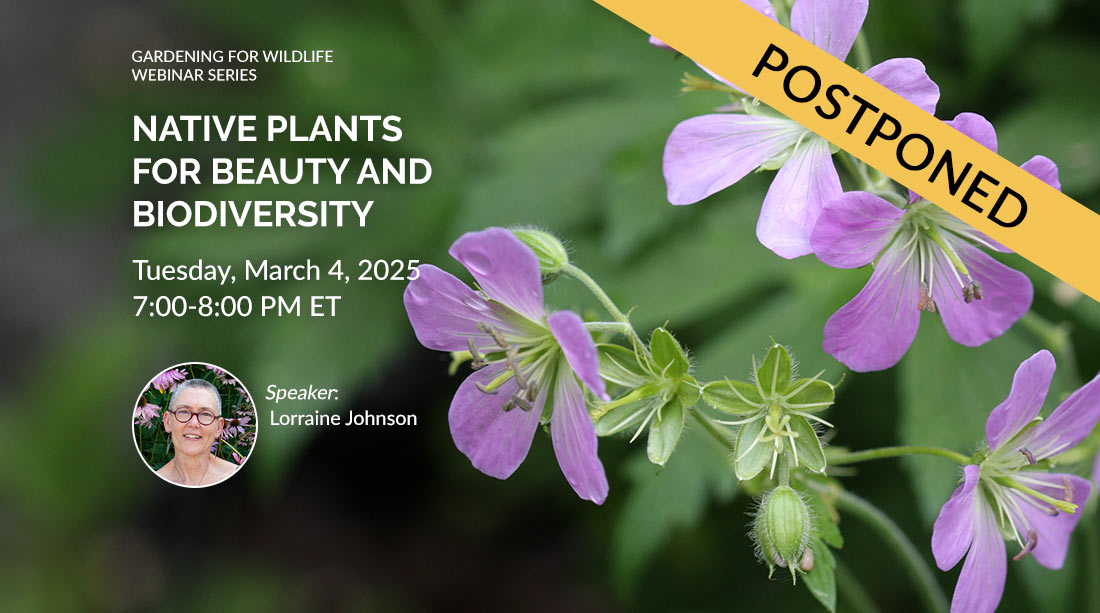
Native Plants for Beauty and Biodiversity
2026-06-26
***Thank you for registering for Native Plants for Beauty and Biodiversity with special guest Lorraine Johnson. Unfortunately, due to unforeseen circumstances, this webinar must be postponed until further notice. We are very sorry for any inconvenience. Once we know if and when it can be rescheduled, we will send you an email with all the details. Please note that we have other webinars coming up that may interest you ***** Join the Canadian Wildlife Federation and special guest, Lorraine Johnson, Tuesday, March 4, 2025 at 7 p.m. ET to discover some of Canada’s beautiful native plants, why they are so important and get great tips on growing them at home. Lorraine is a highly respected Canadian author and longtime native plant and sustainability expert. During our hour together, Lorraine will share the benefits of introducing native plants to the home landscape and community spaces as well as the best tips on how to introduce them to your property. She will focus on easy-to-grow species for conditions from shade to sun, dry to moist and more. Highlights include how to incorporate native plants into existing gardens and gorgeous plant combinations. We hope you can join us!
-
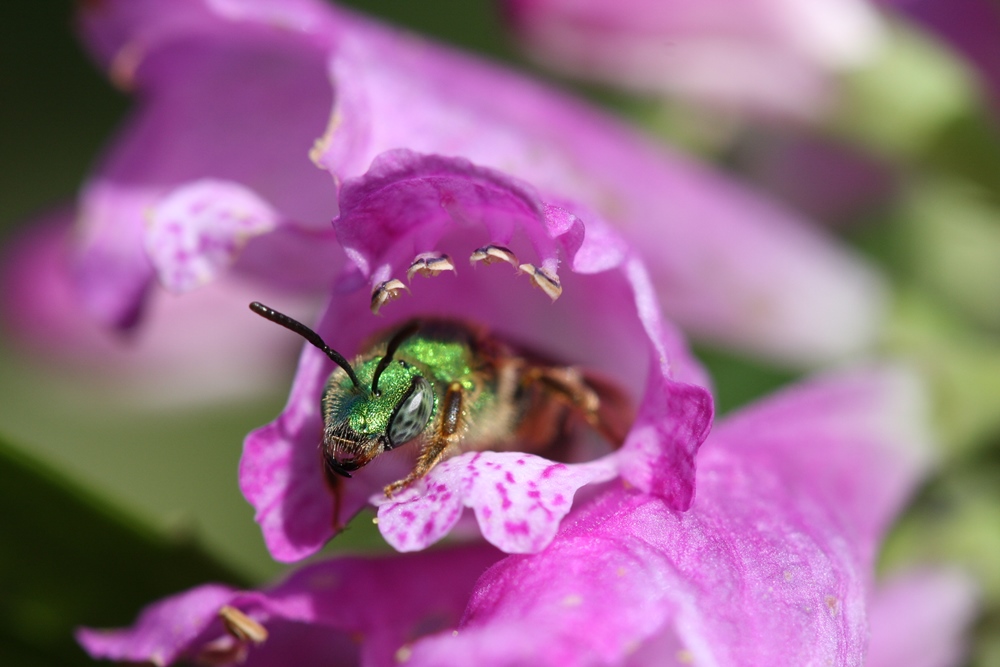
Discover Canada’s Native Bees (French Only)
2020-07-21
Join Cécile Antoine -PhD Candidate in Biology at UOttawa- on her journey to discover native bees that you may encounter in your gardens and parks around Ottawa, or the rest of the country. Cécile will share her passion by giving details on the biology and ecology of wild bees. She will also explain her research findings on bees that nest in the ground, which represent ¾ of the species, and is the focus of her studies. Learn more on how to support wild bees by attending this webinar!
Forests & Fields
Lakes & Rivers
-
Boscar Lake Creek Culvert Removal
2023-11-16
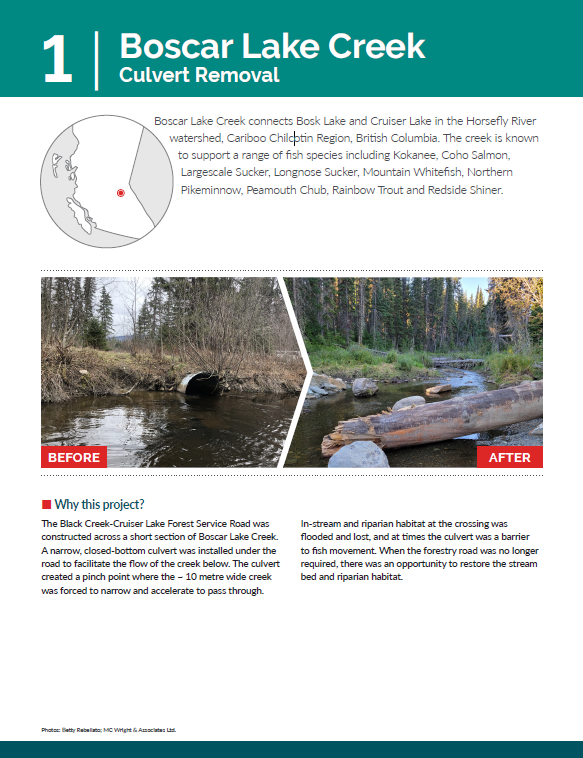
Boscar Lake Creek connects Bosk Lake and Cruiser Lake in the Horsefly River watershed, Cariboo Chilcotin Region, British Columbia. The creek is known to support a range of fish species including Kokanee, Coho Salmon, Largescale Sucker, Longnose Sucker, Mountain Whitefish, Northern Pikeminnow, Peamouth Chub, Rainbow Trout and Redside Shiner.
-
How to Take Identifiable Photos of Fish
2026-06-26
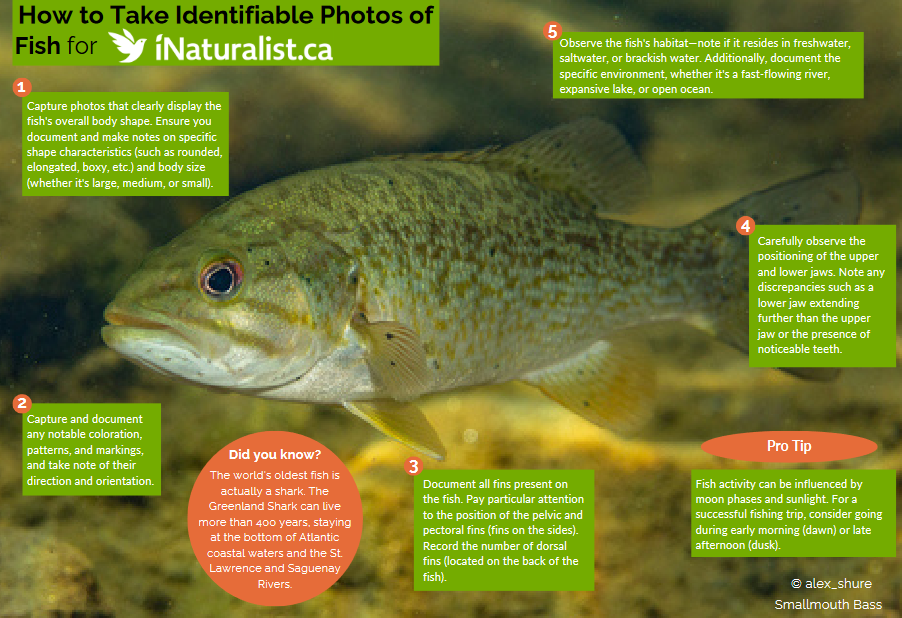
Taking photos of wildlife can be challenging. It is not essential to photograph every point on this diagram to get an identifiable observation. Just try your best! When photographing fish, minimize air exposure by taking an underwater photo whenever possible, allowing them to breathe freely. If taking a picture outside the water, keep the fish near the water and lift it briefly for the photo, limiting air exposure to 10 seconds or less. Be sure to follow local fishing guidelines and regulations.
-
-
-
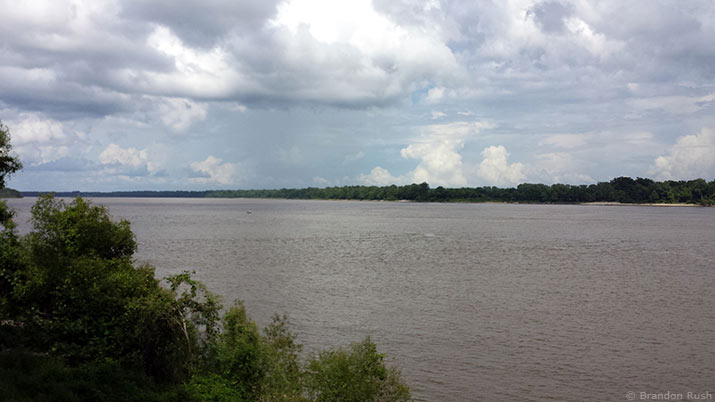
What does the Mississippi look like?
2015-11-02
What does the Mississippi look like? Exploring the river from top to bottom. Author and Adventurer, Jordan Hanssen, will take students on a journey beyond the part of the Mississippi most familiar with students, showing them the diversity of its 2,350 miles. From a trickle at its headwaters to its mighty mouth bringing in the story of the river and how it appears in almost everything they will study in the classroom and labs.<strong><br>Nov.2, 2015<br>1pm</strong>

Learn More

- 0
- 1
- 2
- 3