



-
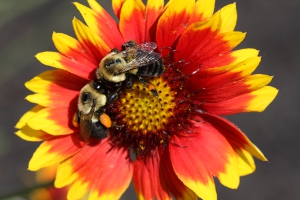 Bee Courteous, Bee Safe
Bee Courteous, Bee Safe
You may attract more than butterflies to your garden — other pollinators, such as bees, may also appreciate your efforts.
More
-
In the City
2026-07-24
Here are some suggestions on how to reclaim an urban waterfront for wildlife.
-
In the Country
2026-07-24
The following projects will help you protect wetlands and streams on prairies and in other rural areas.
-
In the Littoral Zone
2026-07-24
The shoreline web of life and water quality have suffered. But we can repair this damage.
-
-
Keep Canada Ever Green for Wildlife
2026-07-24
Only about one percent of the sun's energy that falls on a plant is converted into plant matter. But amazingly, the entire animal kingdom — including the human race — depends on that one percent.
-
-
Lend Wings to Migratory Birds
2026-07-24
We may have solved the mystery of the vanishing songbirds. But as far as their habitats are concerned, we've barely begun to put the pieces back together.
-
Link Up With Other Communities
2026-07-24
Now you have a good idea of what you can do to improve wildlife habitat in your immediate area. Wouldn't it be great if neighbouring communities followed your lead?
-
-
Maintain a Wildlife Haven
2026-07-24
A little maintenance goes a long way. Just by cleaning up an area, removing competing vegetation, and adding water, you're contributing to the greening of Canada — and you're helping wildlife!
-
-
Make a Green Plan for Wildlife
2026-07-24
From caribou to robins to butterflies, a host of creatures will respond to your planting plan if it includes the habitat components they need for survival.
-
Make a World of Difference
2026-07-24
In many parts of the world, we’re using resources faster than they can be replenished. To stop this, we must start now to manage the planet’s resources so that they can continue to keep us and future generations alive. But how do we do this?
-
-
Make Way for Wild Migrants
2026-07-24
Sometimes called the lifeblood of the Earth, migration is like a vast circulation system that pumps blood toward the Earth's poles in spring and back toward the equator in fall.
-
Make Your Project Happen
2026-07-24
Creating habitat for migrants is simple if you develop your project in stages and if it is driven by student initiative.
-
Making Maps for Birds
2026-07-24
There are endless ways to make maps that will help our feathered friends as well as help students learn about them.
-
Microhabitat Projects
2026-07-24
With a little planning, physically and mentally challenged students can help bring habitat back to health.
-
-
Migratory Species Need Migratory Spaces
2026-07-24
Everywhere, from the Arctic to Antarctica, finned, furred, fanged, and feathered travellers are on the go.