




-
 Guides, Infographics & Posters
Guides, Infographics & Posters
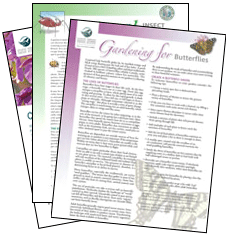
Take a closer look at the ways in which we’ll help you access the facts about wildlife. Whether it’s discovering the Hinterland Who’s Who animal fact sheets, or ordering our handy field guide to Canada’s prevalent shoreline species. This content is available to our CWF Supporters and online members. Please sign in to order your free materials.
More -
-
Wildlife E-cards
Wildlife E-cards
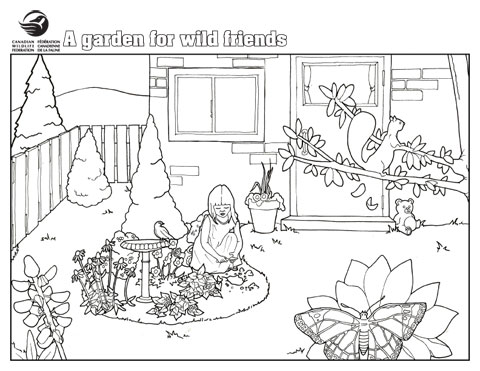
Send Dad a wildlife e-card! You cherish our wonderful wildlife and now you can send e-greetings that reflect your love of nature. We have developed a wide array of wildlife ecards for every occasion for you to share with your family and friends!
More -
 CWF Wallpapers
CWF Wallpapers
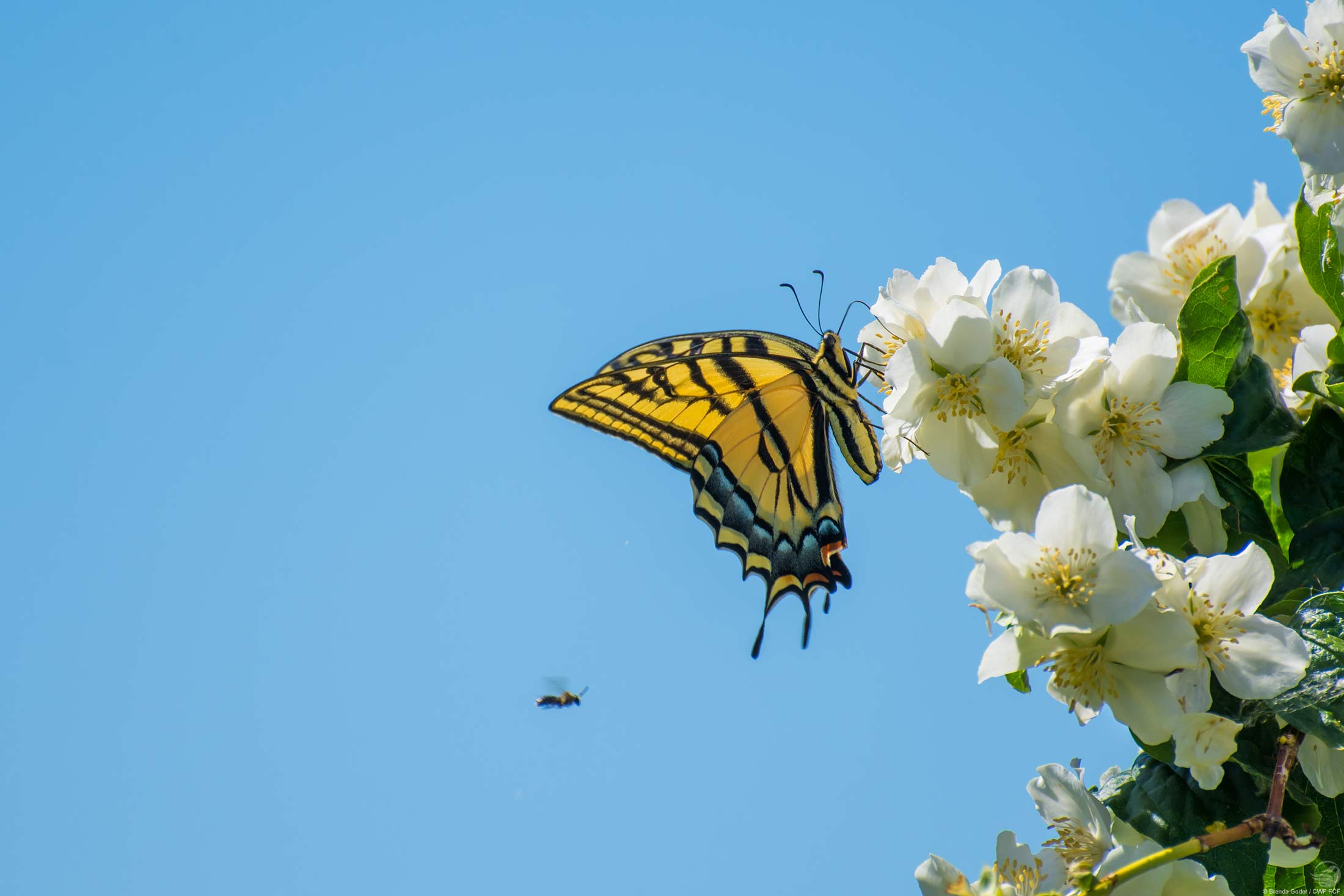
Your desktop is the perfect habitat for this wild wallpaper. Download CWF wallpapers!
More -
 WILD Webinars
WILD Webinars
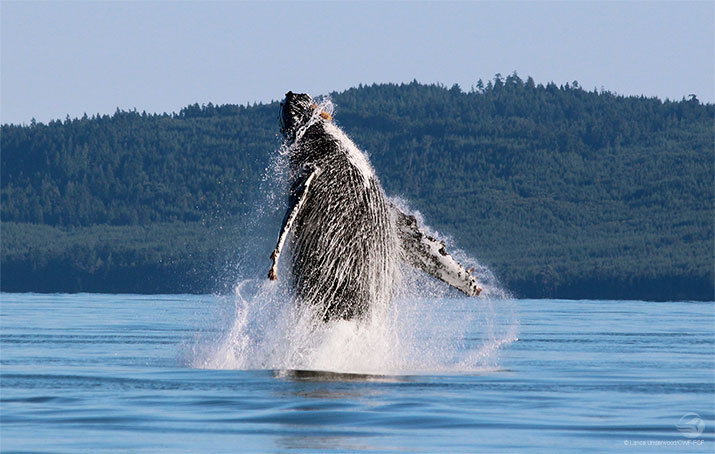
With topics relating to conservation, wildlife and habitat, we provide a relevant online learning platform, typically for grades four to six but of benefit to any age.
More

From easy-to-use apps designed as tools for your citizen science projects to picturesque wallpaper images for your computer, CanadianWildlifeFederation.ca offers a variety of useful downloads for your PC and mobile devices.
Coasts & Oceans
Connecting With Nature
-
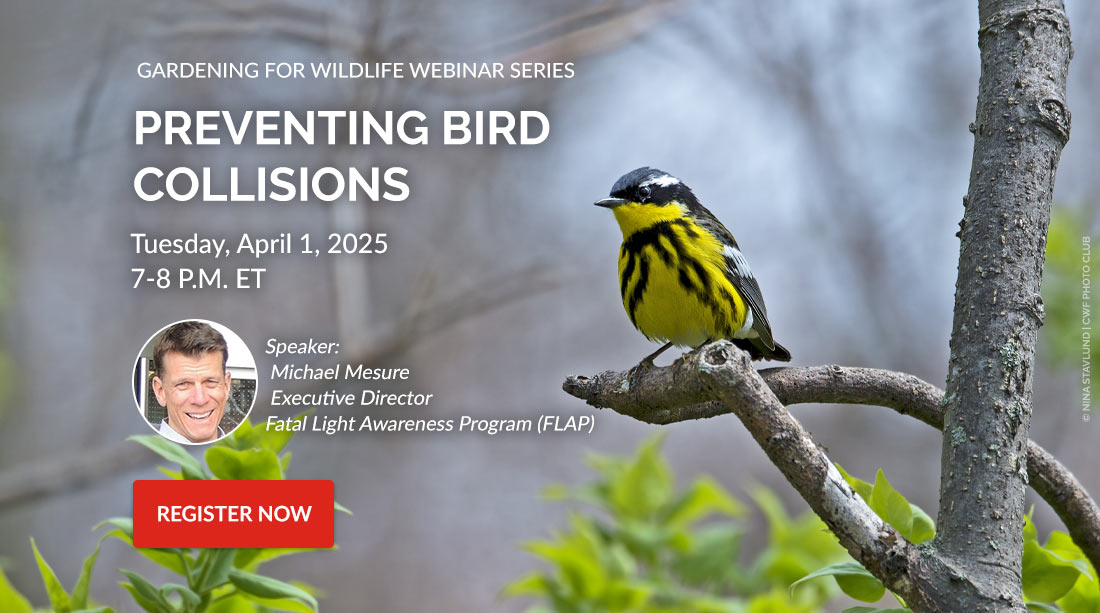
Preventing Bird Collisions
2025-04-01
Each year in Canada approximately 25 million birds die from building collisions. This is not only heartbreaking to witness but is a significant loss to biodiversity and the role these birds play. The good news is that there are solutions! Join the Canadian Wildlife Federation on Tuesday, April 1 at 7:00 p.m. ET to discover effective ways to prevent bird strikes at home, work or at the cottage. Our guest will be Michael Mesure, a founding member and Executive Director of Fatal Light Awareness Program (FLAP) Canada. Michael will speak about the work of FLAP Canada, how human-made structures threatens birds and offer solutions for mitigating building collisions. This will include examples of both effective and ineffective collision deterrent methods and some background on bird-friendly building design guidelines, policies, code and law.
-
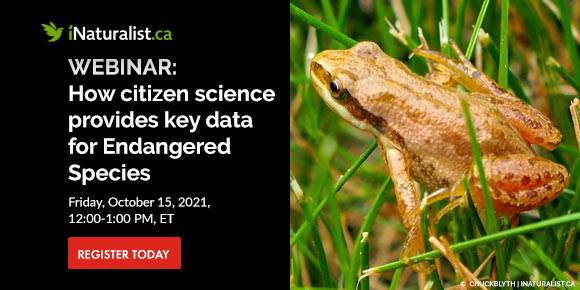
iNaturalist Webinar Series: How citizen science provides key data for Endangered Species
2021-10-15
iNaturalist has become one of the world’s most popular nature apps and the Canadian Wildlife Federation has led the charge in bringing it to Canada. Join us for an insightful webinar with the Committee on the Status of Endangered Wildlife in Canada (COSEWIC) on how iNaturalist can provide key information to help inform the assessment and conservation of endangered species in Canada. Leading the session will be John Reynolds, Chair of COSEWIC as well as Ecology Professor at Simon Fraser University, where he will discuss how citizen science greatly helps in the conservation of nature here in Canada.
-
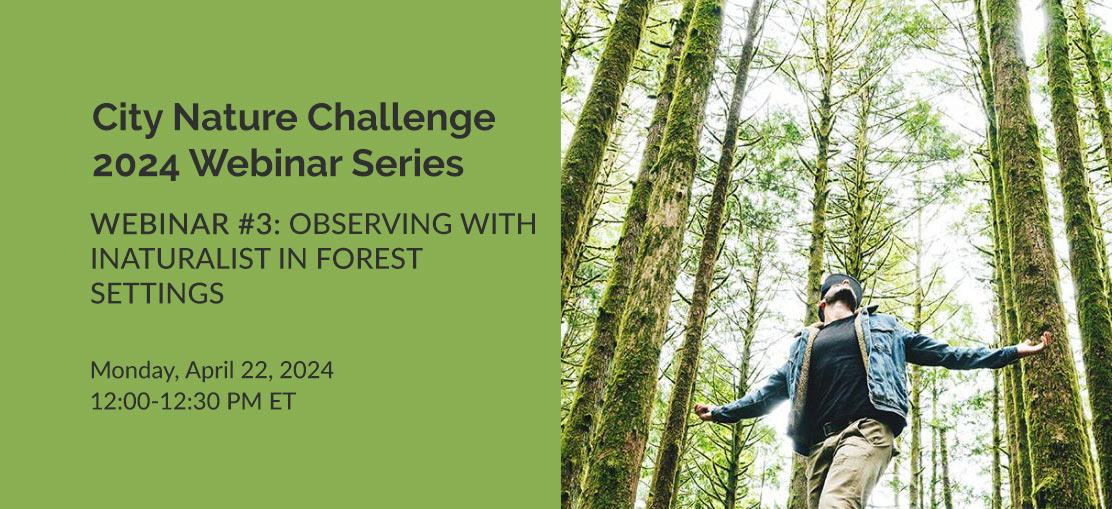
City Nature Challenge 2024 Series: #3 - Observing with iNaturalist in Forest Settings
2024-04-22
Immerse yourself in the tranquility of the forest during our Forest Focus webinar. Explore the world of forest flora and fauna, including plants, fungi, and birds. Discover techniques for capturing the beauty of these ecosystems and prepare to showcase the wonders of the forest in the upcoming City Nature Challenge.
-

Gardening with Wildlife in Mind
2024-05-22
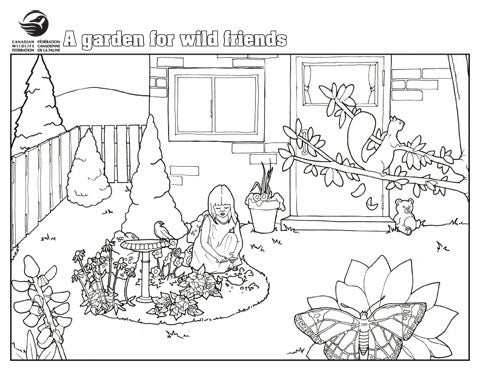
Join CWF as we explore the key ‘ingredients’ in a beautiful yet beneficial garden that will support local and migratory wildlife right outside your door. In addition to learning these important components, you’ll come away with ideas in how to apply them that will suit any property, lifestyle, budget or space.
-
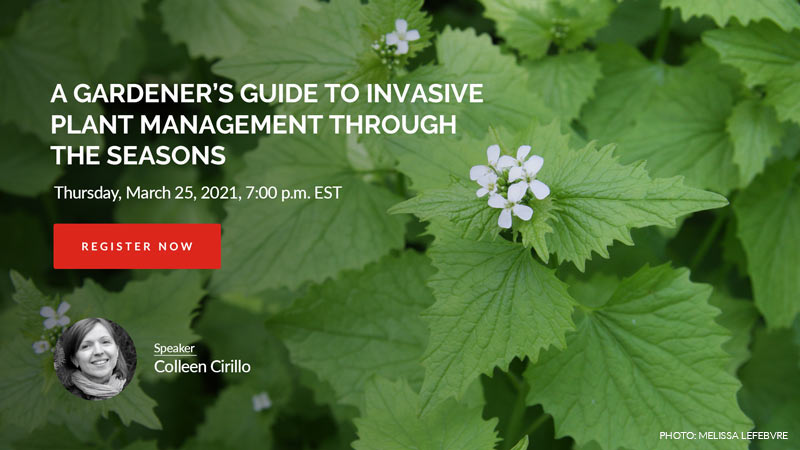
A Gardener's Guide to Invasive Plant Management Through the Seasons
2021-03-25
Gardens contribute to our mental and physical well-being, as well as the ecological health of our communities. If left unchecked, invasive plants can diminish these benefits. Join the Canadian Wildlife Federation on March 25 at 7:00 pm EST as invasive plant expert, Colleen Cirillo, provides guidance for the careful identification and removal of some of Canada's most invasive plants from early spring through to late fall. Species to be addressed include Dog-Strangling Vine, Garlic Mustard, Japanese Knotweed, Common Buckthorn and three invasive groundcovers.
Education & Leadership
Endangered Species & Biodiversity
-
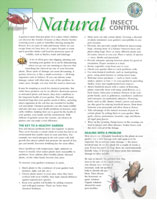
Natural Insect Control Handout
2026-06-26
A garden is more than just plants. It may be tempting to reach for chemical pesticides. But while these products can be an effective short-term answer, they don't contribute to the long-term health of your garden.
-
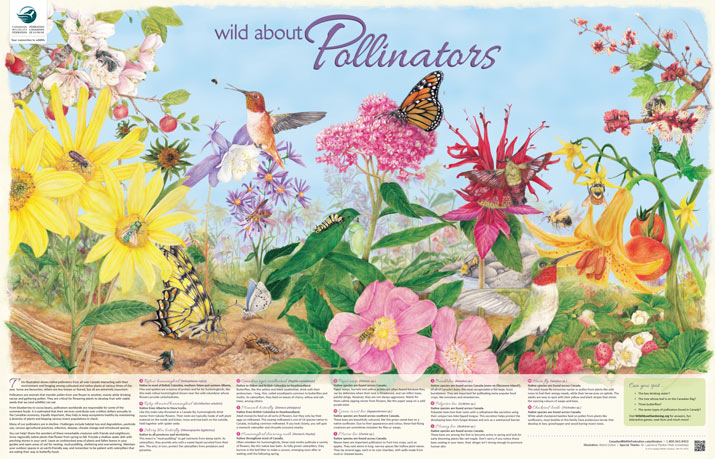
Wild About Pollinators Poster
2026-06-26
This illustration shows native pollinators from all over Canada interacting with their environment and foraging among cultivated and native plants at various times of the year. Some are favourites, others are less known or feared, but all are extremely important.Pollinators are animals that transfer pollen from one flower to another, mainly while drinking nectar and gathering pollen.
-
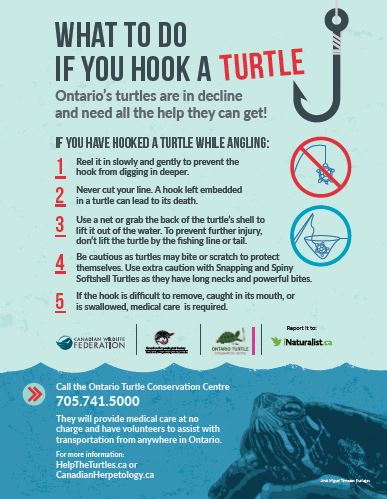
What to do if you hook a turtle
2019-05-30
Ontario’s turtles are in decline and need all the help they can get!
-
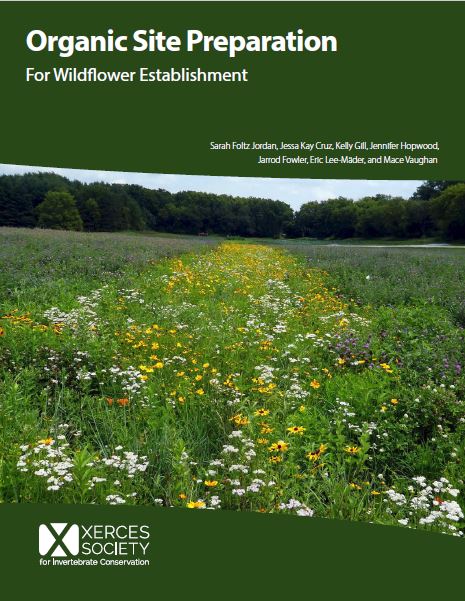
Organic Site Preparation for Wildflower Establishment
2019-05-07
Pollinators are a priority resource concern for many conservationists and farmers. The Xerces Society conducted field trials throughout the Easter, Midwestern and Western United States to inform best practices.
-
Wild About Whales Poster
2026-06-26
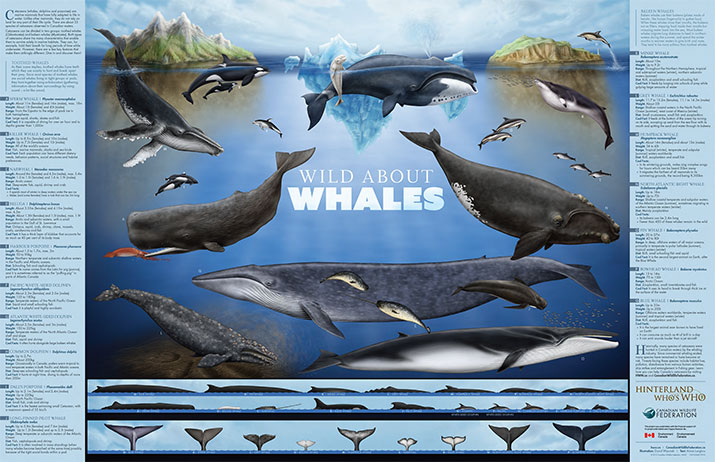
Cetaceans (whales, dolphins and porpoises) are marine mammals that have fully adapted to life in water. Unlike other mammals, they do not rely on land for any part of their life cycle. There are about 33 species of cetaceans observed in Canadian waters.Cetaceans can be divided in two groups: toothed whales (Odontocetes) and baleen whales (Mysticetes). Both types of cetaceans share the many characteristics that enable them to survive solely in marine habitats. They can, for example, hold their breath for long periods of time while underwater. However, there are a few key features that make them strikingly different. Dive in and discover them!
Forests & Fields
-
Texas Department of Transportation Wildflower Program
2023-03-23
The Texas Department of Transportation has been implementing vegetation management practices in support of pollinators since 1932. From then on, the department has developed a comprehensive wildflower program, particularly in recognition of the state as a key stopover during Monarch migration. Hear from Sam Glinsky, Vegetation Specialist, to learn more about the lifecycle of a Texas roadside, the benefits of the program beyond the road, and the public education and stewardship practices they follow!
-
Creating Pollinator Habitat: Opportunities and Examples from Roadsides and other Right-of-Ways
2019-12-12
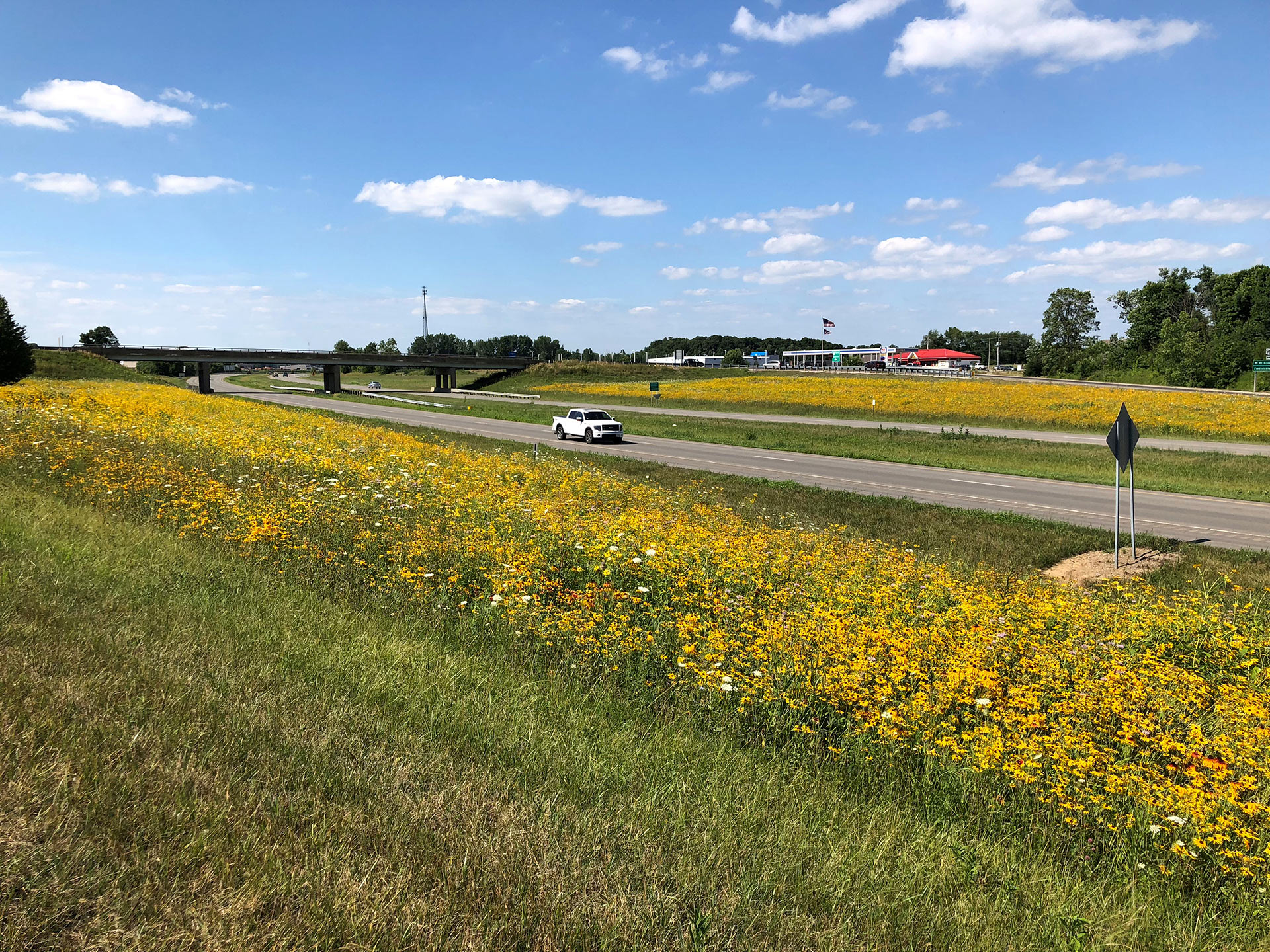
Pollinating insects are in crisis across North America, with steep declines in some groups. This introductory webinar in our 2019-2020 Pollinator Series will discuss the opportunities that transportation, utility and other corridors present to increase and improve available pollinator habitat across the landscape. Examples from all sectors will be discussed, and the highlights of CWF’s 2019 pilot project in eastern Ontario will be presented.
-
Moths in our Midst: What They Do and Why It Matters
2025-04-15
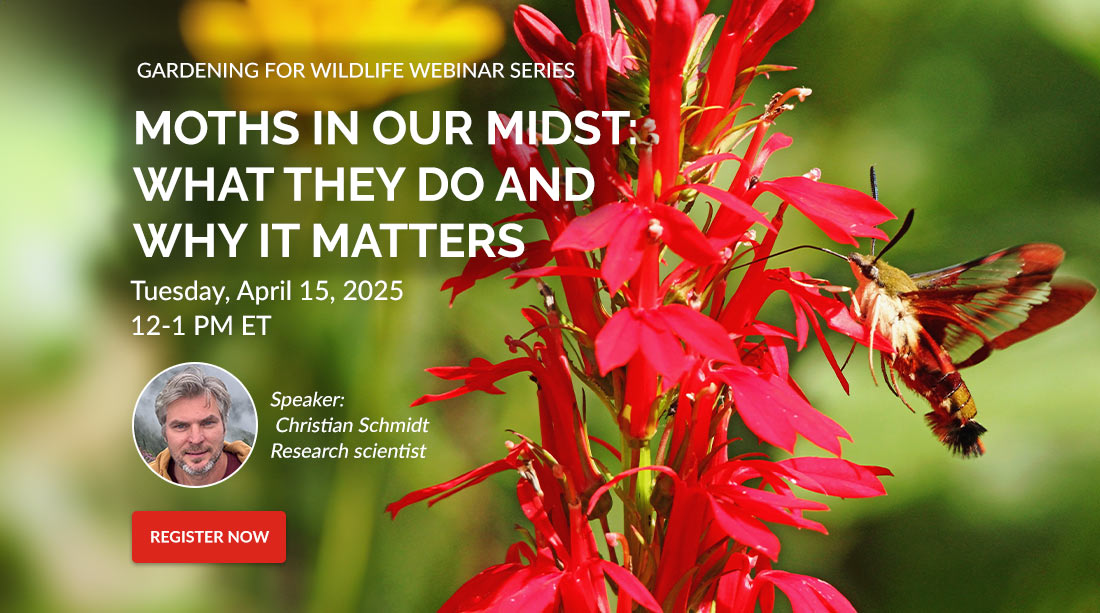
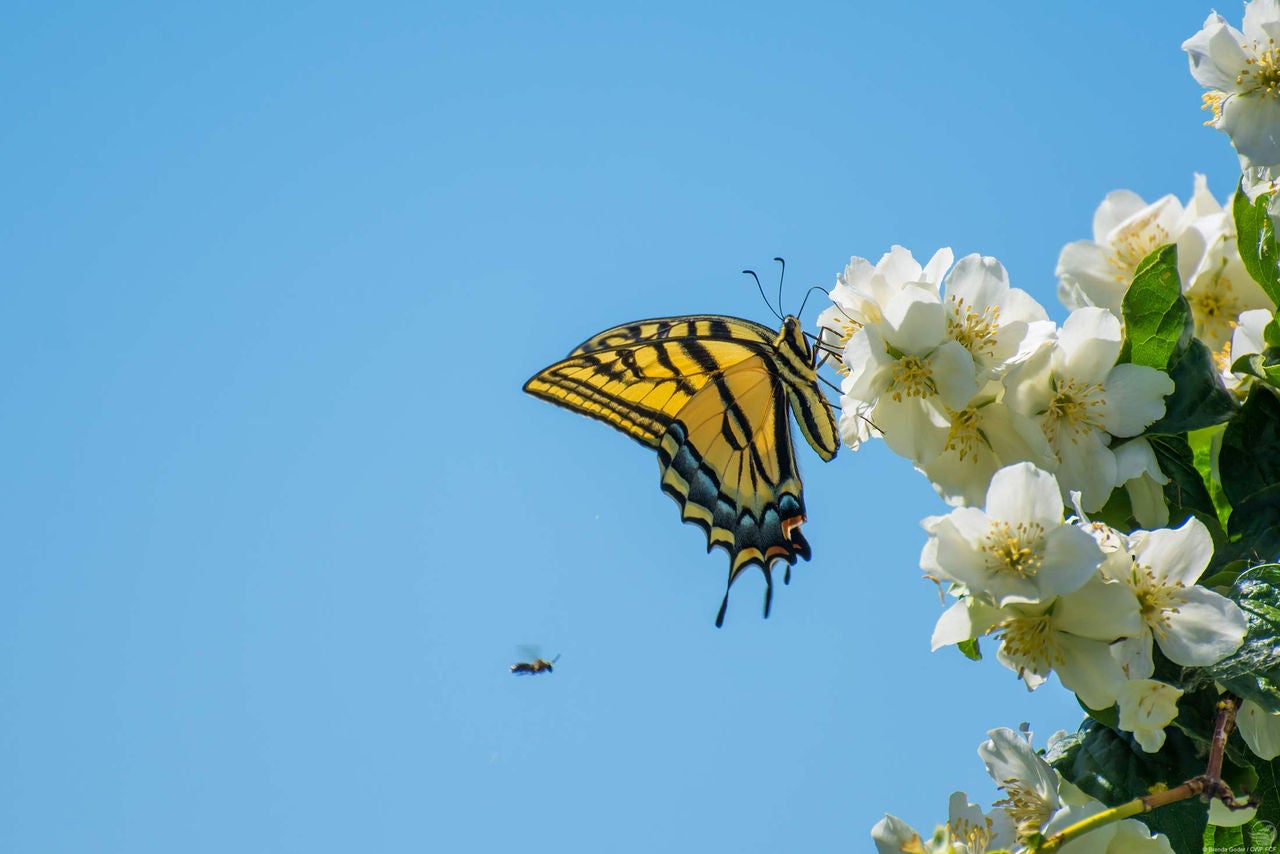
Join the Canadian Wildlife Federation on Tuesday, April 15 at 12:00 p.m. ET to learn about some of Canada’s moths (and butterflies, too!). Our special guest, Christian Schmidt, Ph.D., a research scientist, will take us into the world of moth biology, how they live and profile some Canadian species. Christian will also share ways we can help these remarkable wild neighbours in our own outdoor spaces. We hope you can join us!
-
How Land Managers Can Create Pollinator Habitat
2021-03-11
2021 Pollinator Webinar Series. Thursday, March 11 at 11:00 am EST (1 hour). Learn all the ins and outs of site selection, preparation and maintenance of a bare ground restoration to create pollinator habitat. Brittany Dobrzynski from New Jersey Audubon will provide details on how to install (with seeds and/or plugs) and manage your site with native plants for all of the growing season. She will also provide some inspiring meadow habitat project examples.
-
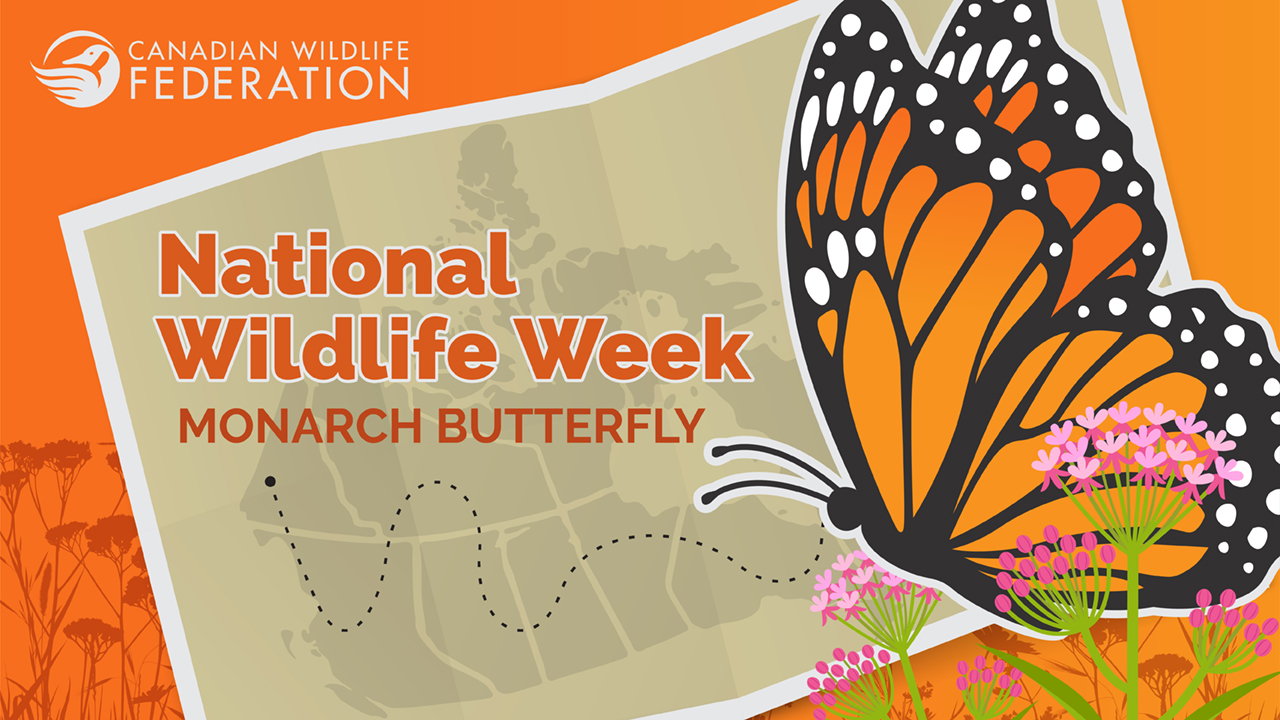
Monarch Butterflies With Michelle McPherson
2025-04-10
Michelle is a Wildlife Biologist with the Canadian Wildlife Federation. Her current area of focus is the Right-of-Way (ROW) Pollinator Habitat project, which is focused on the restoration of native meadow along roadsides, utility corridors, and solar farms in conjunction with a network of ROW managers. Join Michelle to learn more about what CWF is doing in collaboration with industry and community partners to restore habitat connectivity for pollinators, including the endangered Monarch butterfly.
Lakes & Rivers

Learn More

- 0
- 1
- 2
- 3