




-
 Guides, Infographics & Posters
Guides, Infographics & Posters
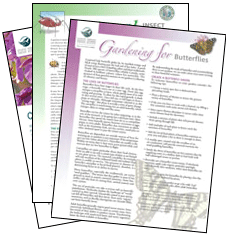
Take a closer look at the ways in which we’ll help you access the facts about wildlife. Whether it’s discovering the Hinterland Who’s Who animal fact sheets, or ordering our handy field guide to Canada’s prevalent shoreline species. This content is available to our CWF Supporters and online members. Please sign in to order your free materials.
More -
-
Wildlife E-cards
Wildlife E-cards
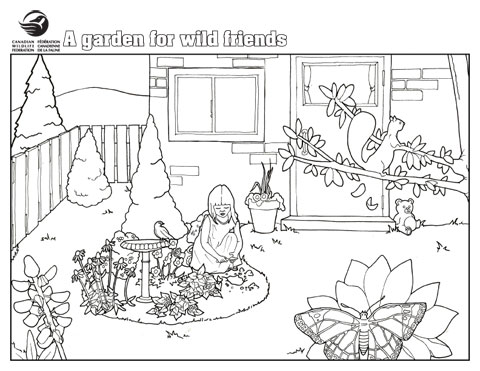
Send Dad a wildlife e-card! You cherish our wonderful wildlife and now you can send e-greetings that reflect your love of nature. We have developed a wide array of wildlife ecards for every occasion for you to share with your family and friends!
More -
 CWF Wallpapers
CWF Wallpapers
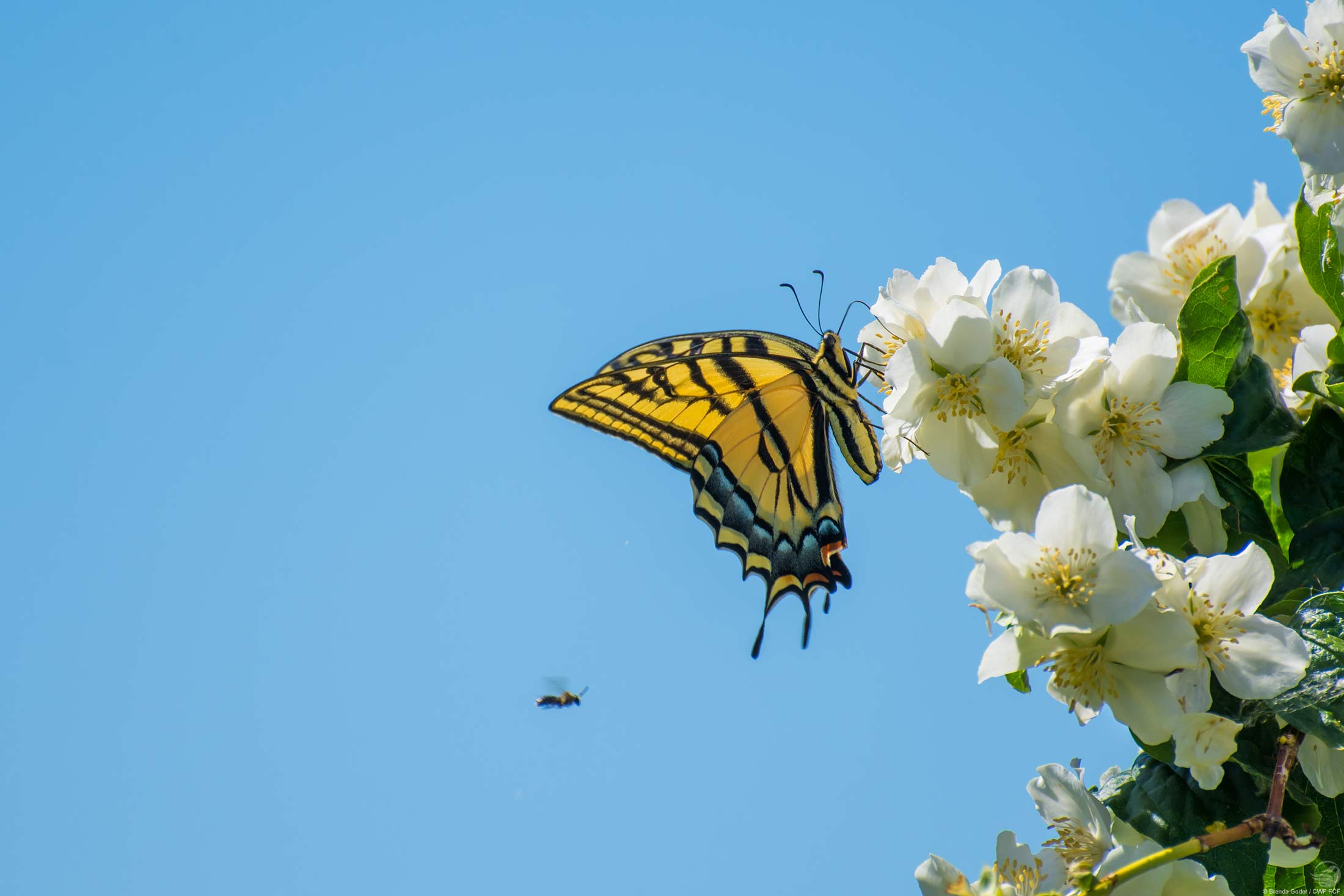
Your desktop is the perfect habitat for this wild wallpaper. Download CWF wallpapers!
More -
 WILD Webinars
WILD Webinars
With topics relating to conservation, wildlife and habitat, we provide a relevant online learning platform, typically for grades four to six but of benefit to any age.
More

From easy-to-use apps designed as tools for your citizen science projects to picturesque wallpaper images for your computer, CanadianWildlifeFederation.ca offers a variety of useful downloads for your PC and mobile devices.
Coasts & Oceans
Connecting With Nature
-
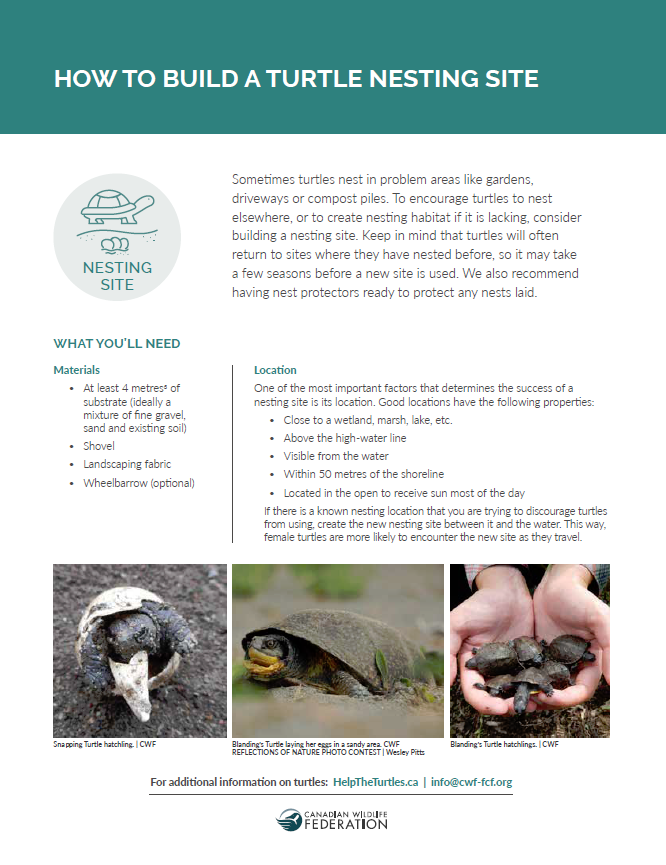
How To Build a Turtle Nesting Site
2026-06-26
Sometimes turtles nest in problem areas like gardens, driveways or compost piles. To encourage turtles to nest elsewhere, or to create nesting habitat if it is lacking, consider building a nesting site. Keep in mind that turtles will often return to sites where they have nested before, so it may take a few seasons before a new site is used. We also recommend having nest protectors ready to protect any nests laid.
-
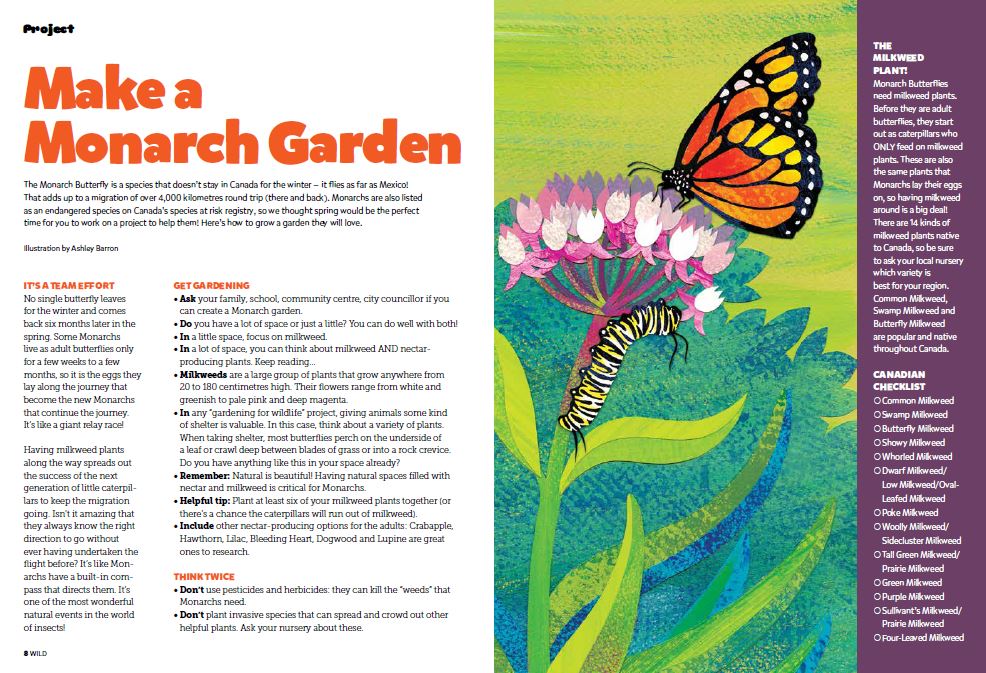
Make a Monarch Butterfly Garden
2020-04-01
The Monarch Butterfly is a species that doesn’t stay in Canada for the winter — it flies as far as Mexico! That adds up to a migration of over 4,000 kilometres round trip (there and back). Monarchs are also listed as an endangered species on Canada’s species at risk registry, so we thought spring would be the perfect time for you to work on a project to help them! Here’s how to grow a garden they will love.
-
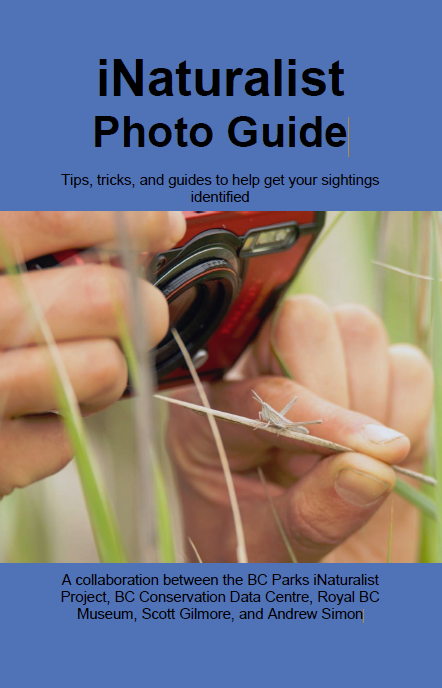
iNaturalist Guide to Taking Photos
2021-04-13
Tips, tricks, and guides to help get your sightings identified
-
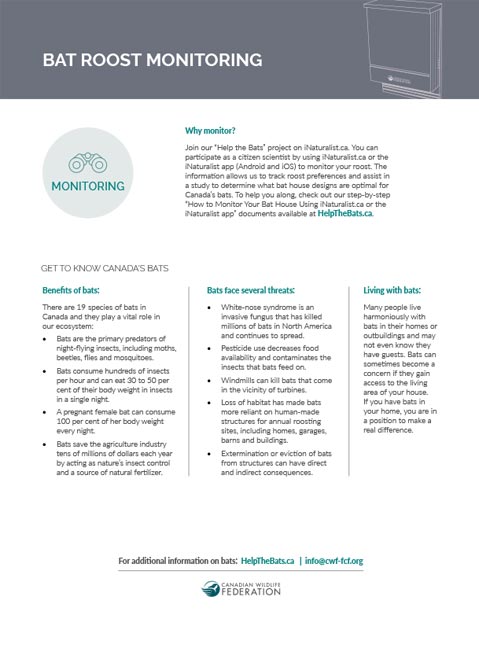
BAT ROOST MONITORING
2026-06-26
oin our “Help the Bats” project on iNaturalist.ca. You can participate as a citizen scientist by using iNaturalist.ca or the iNaturalist app (Android and iOS) to monitor your roost. The information allows us to track roost preferences and assist in a study to determine what bat house designs are optimal for Canada’s bats. To help you along, check out our step-by-step “How to Monitor Your Bat House Using iNaturalist.ca or the iNaturalist app” documents available at HelpTheBats.ca
-
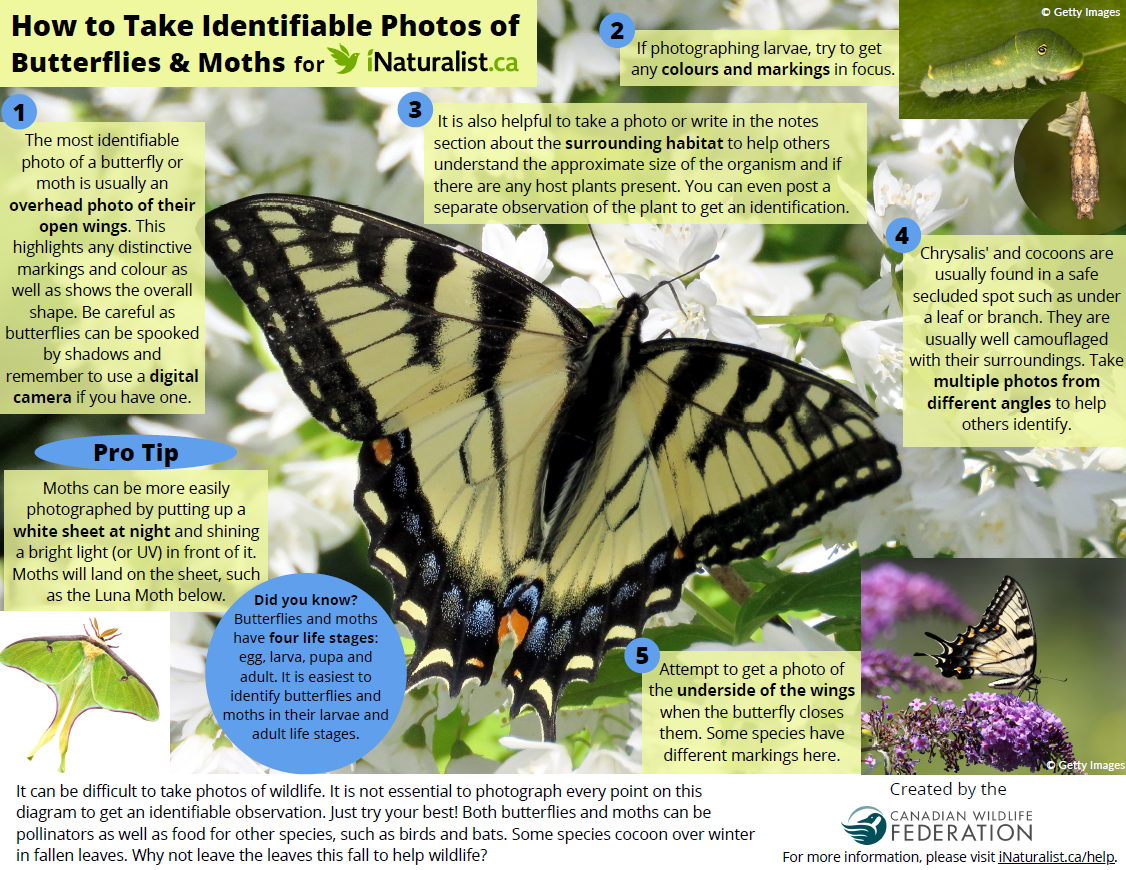
How to Take Identifiable Photos of Butterflies & Moths
2026-06-26
It can be difficult to take photos of wildlife. It is not essential to photograph every point on this diagram to get an identifiable observation. Just try your best! Both butterflies and moths can be pollinators as well as food for other species, such as birds and bats. Some species cocoon over winter in fallen leaves. Why not leave the leaves this fall to help wildlife?
Education & Leadership
Endangered Species & Biodiversity
Forests & Fields
-
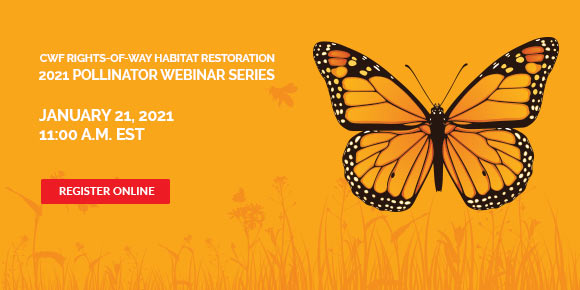
Rights-of-Way Habitat Restoration: 2021 Pollinator Webinar Series, January 21
2021-01-21
Thursday, January 21 at 11:00 am EST Learn about the New York State DOT’s involvement in the CCAA – a voluntary conservation agreement to protect Monarch habitat and what their transportation department is doing in terms of pollinator-friendly policies, evaluation, mapping, monitoring, research and efforts along their roadsides.
-
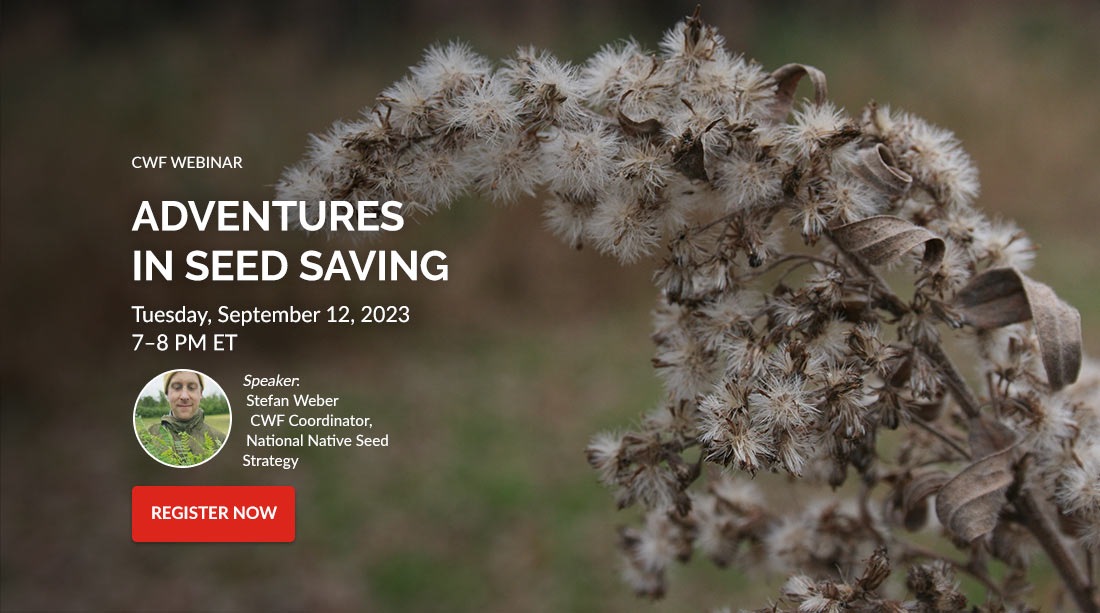
Adventures in Seed Saving
2023-09-12
Join CWF Tuesday, September 12 at 7:00 p.m. ET for tips on using seeds at home and in restoration projects and discover a new and much-needed seed project in Canada. In this webinar our special guest, plant ecologist Stefan Weber, will share easy tips for collecting, storing and germinating seeds of native grasses and wildflowers, as well as some herbs and veggies. He will also speak about the diversity of plants in Canada and efforts to save them via the National Native Seed Strategy project that CWF is leading. Stefan will touch on issues related to seed-sourcing and using local ecosystems to guide your garden choices. We hope to see you there!
-
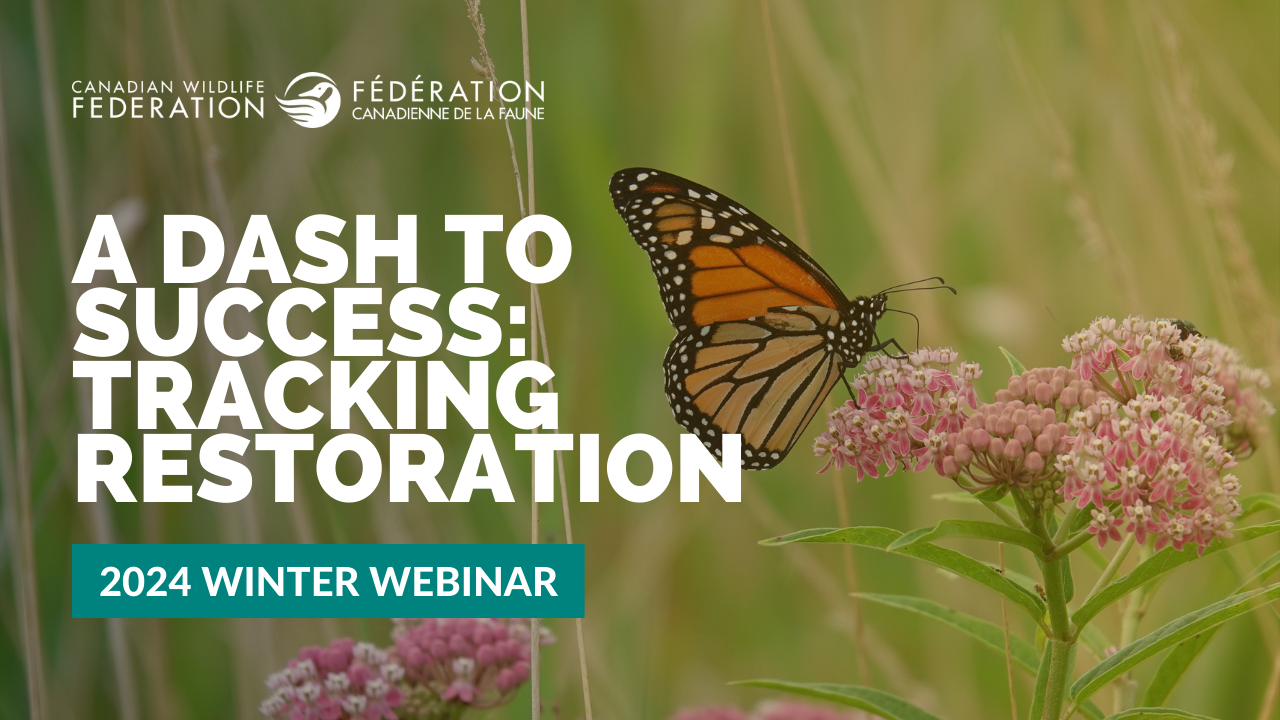
A Dash to Success Tracking your Restoration Webinar
2024-01-17
How are you tracking and sharing your pollinator habitat restoration success? Discover the Dashboard, a geospatial tool that allows your organization to track, store, and communicate data on your restoration efforts. Along with the ins and outs of navigation, you will learn how the Dashboard can support transparency of your sustainability goals, and streamline your restoration planning.
-
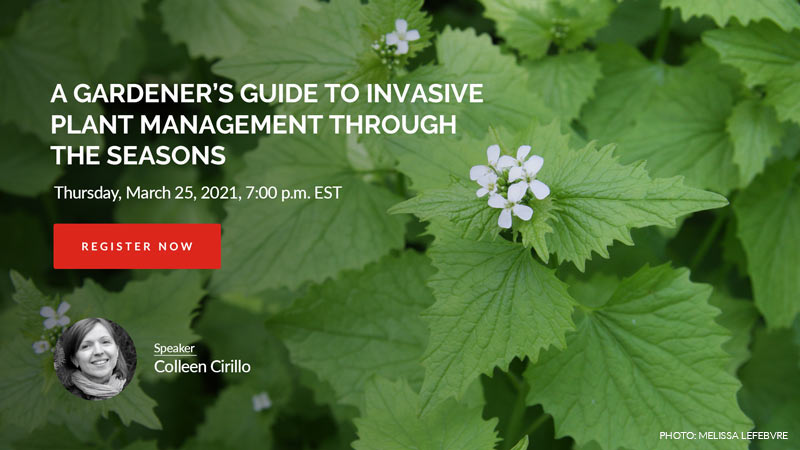
A Gardener's Guide to Invasive Plant Management Through the Seasons
2021-03-25
Gardens contribute to our mental and physical well-being, as well as the ecological health of our communities. If left unchecked, invasive plants can diminish these benefits. Join the Canadian Wildlife Federation on March 25 at 7:00 pm EST as invasive plant expert, Colleen Cirillo, provides guidance for the careful identification and removal of some of Canada's most invasive plants from early spring through to late fall. Species to be addressed include Dog-Strangling Vine, Garlic Mustard, Japanese Knotweed, Common Buckthorn and three invasive groundcovers.
-

Becoming Firewise: Prescribed Fire Strategies for Sustainable Rights-of-Way Management
2024-02-28
Delve into prescribed fire as a method of rights-of-way management. Discover the strategic use of controlled fires with consideration of invasives species, rejuvenating meadow vegetation, biodiversity and safety. Gain insights from practitioners, explore case studies and equip yourself with the knowledge to navigate the balance between fire management and habitat restoration. Ignite a new understanding of responsible stewardship during this fireside chat.
Lakes & Rivers

Learn More

- 0
- 1
- 2
- 3