




-
 Guides, Infographics & Posters
Guides, Infographics & Posters
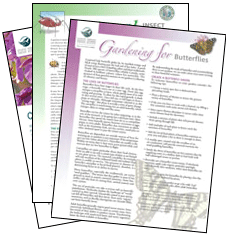
Take a closer look at the ways in which we’ll help you access the facts about wildlife. Whether it’s discovering the Hinterland Who’s Who animal fact sheets, or ordering our handy field guide to Canada’s prevalent shoreline species. This content is available to our CWF Supporters and online members. Please sign in to order your free materials.
More -
-
Wildlife E-cards
Wildlife E-cards
Send Dad a wildlife e-card! You cherish our wonderful wildlife and now you can send e-greetings that reflect your love of nature. We have developed a wide array of wildlife ecards for every occasion for you to share with your family and friends!
More -
 CWF Wallpapers
CWF Wallpapers
Your desktop is the perfect habitat for this wild wallpaper. Download CWF wallpapers!
More -
 WILD Webinars
WILD Webinars
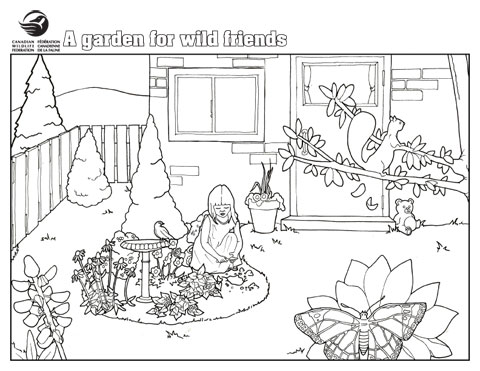
With topics relating to conservation, wildlife and habitat, we provide a relevant online learning platform, typically for grades four to six but of benefit to any age.
More

From easy-to-use apps designed as tools for your citizen science projects to picturesque wallpaper images for your computer, CanadianWildlifeFederation.ca offers a variety of useful downloads for your PC and mobile devices.
Coasts & Oceans
-
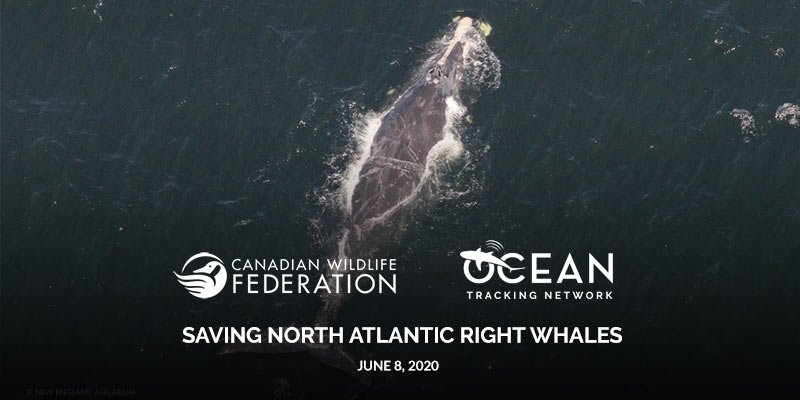
Saving North Atlantic Right Whales
2020-06-08
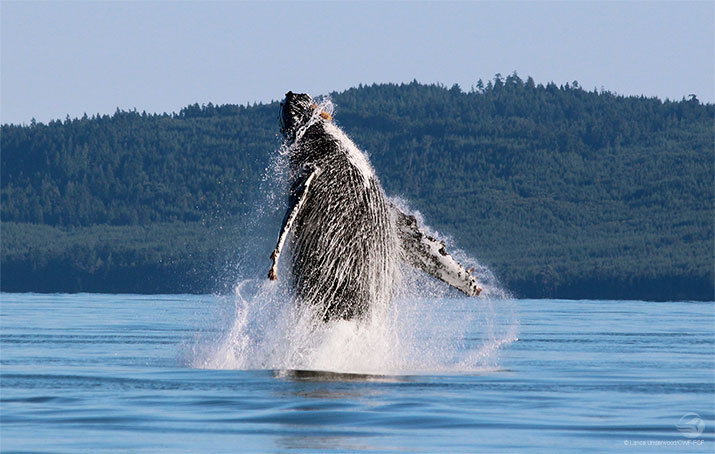
Join the Ocean Tracking Network (OTN) and the Canadian Wildlife Federation (CWF) on World Oceans Day for a talk on the North Atlantic right whale—one of the most endangered whales in the world—that relies on the plankton-rich waters of the Maritimes, and faces dire threats from ship strikes, fishing entanglements and climate-driven changes in food sources and habitat. Historically found throughout the Atlantic Ocean, today North Atlantic right whales overwinter and calve in the south between Georgia and Northern Florida, and move north to Canada to feed in the plankton-rich waters of the Bay of Fundy, off the Scotian Shelf, and in the Gulf of St. Lawrence in the summer. After centuries of whaling, populations of some whale species have rebounded, but entanglements and ship strikes remain a serious problem for the conservation of large baleen whales, including for North Atlantic right whales. Due to human-induced stressors as well as lower calving rates since 2010, experts predict that right whales could become extinct in as little as 20 years. Tune in to learn more from Canadian Wildlife Federation’s right whale expert Sean Brillant about how we can work together to ensure a future for this iconic and critically endangered species.
Connecting With Nature
-
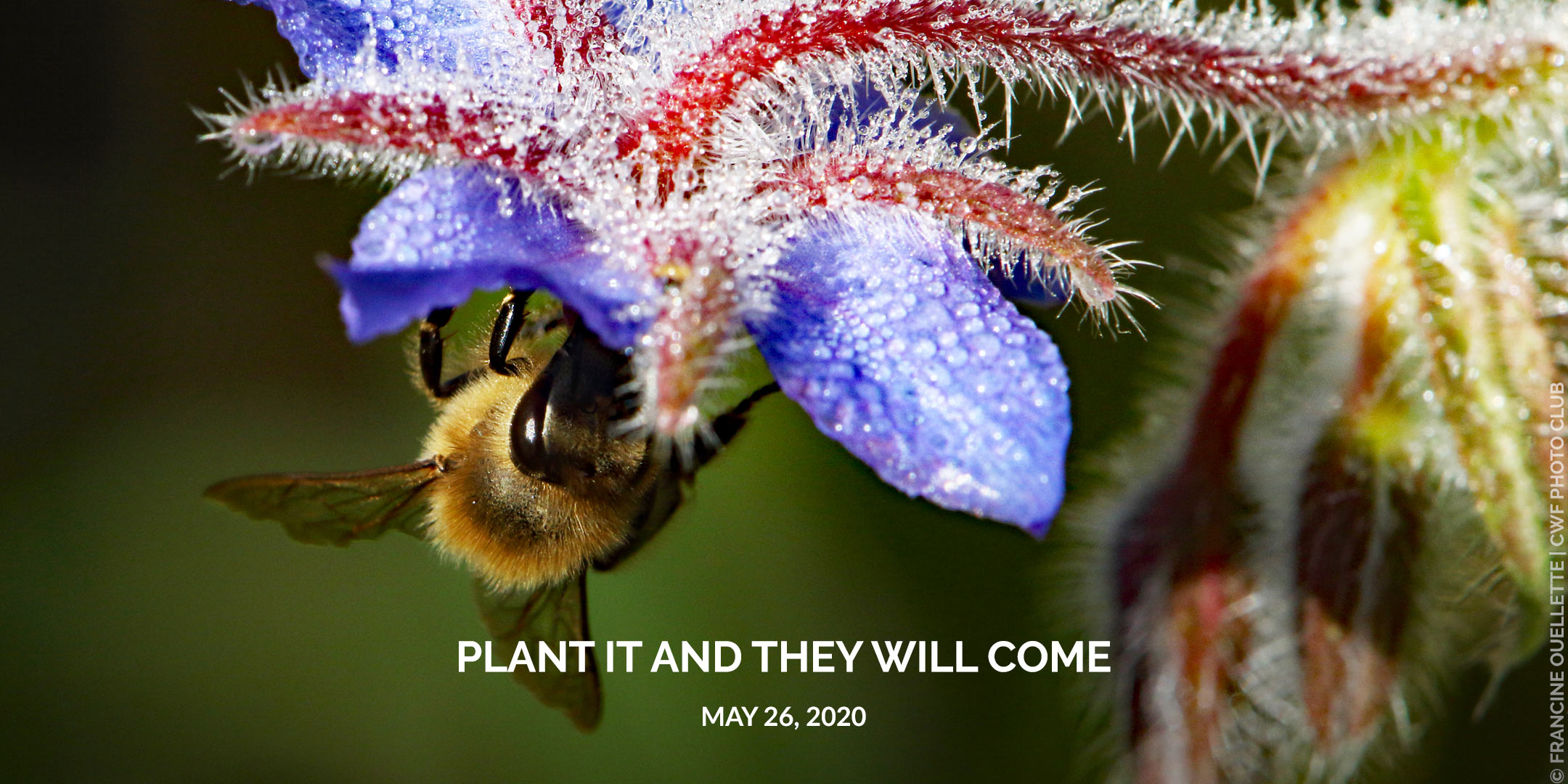
Plant It and They Will Come
2020-05-26
How one woman discovered the joys of creating a wildlife-friendly garden. Join CWF as Berit Erickson, pollinator garden blogger, shares her urban garden’s transformation from ornamental to wildlife-friendly. Discover how much easier it was than she thought and all the benefits she and her family now enjoy. So if the idea of creating a wildlife-friendly garden is daunting to you or you just want to get some new ideas, join us for this informative and inspiring webinar.
-

Climate and Wildlife
2022-11-30
How is climate change impacting wildlife? Join the Canadian Wildlife Federation for an interactive webinar where we’ll discuss the four components of habitat that wildlife (and humans!) need to survive, and explore what happens when these things are impacted by climate change. We’ll also share some hands-on projects to inspire you to take action for wildlife in your own schools and communities! Nov 30, 2022 - 12:00 PM-13:00 PM (Eastern)
-
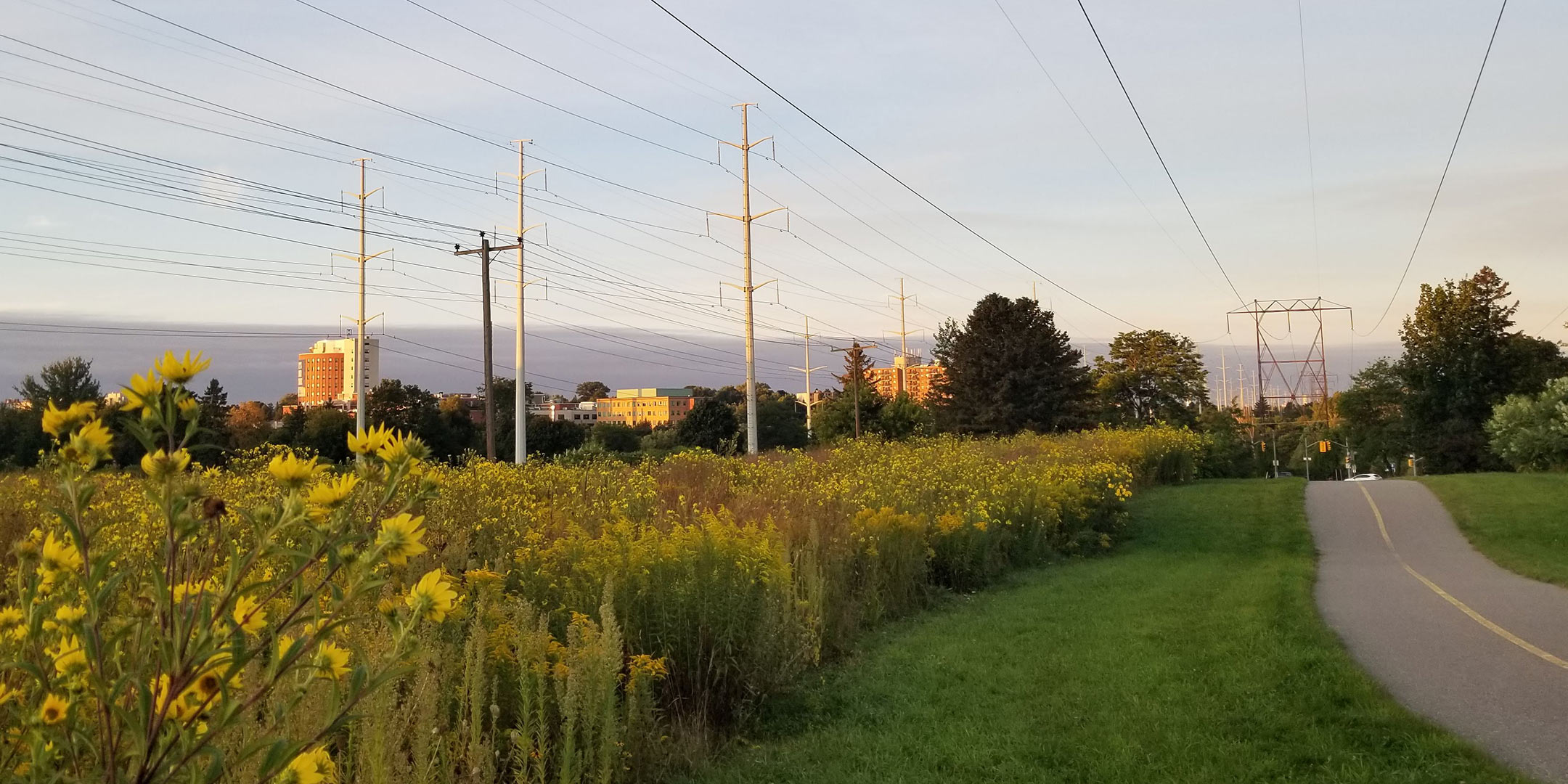
The Meadoway: Planning and Restoring Pollinator Habitat in a utility corridor in Toronto, Ontario
2020-01-30
The Meadoway is transforming a hydro corridor in Scarborough, ON into a vibrant sixteen-kilometre stretch of urban greenspace and meadowlands that will become one of Canada’s largest linear urban parks. Cyclists and pedestrians will soon be able to travel from the heart of downtown Toronto to Rouge National Urban Park without ever leaving nature. Over the next seven years, this site will become a place filled with butterflies, birds and wildflowers – a rich meadow landscape realized on a scale never before seen in Toronto. This webinar will help to showcase and walk you through the overall planning, permits/policies, education/outreach, communication and meadow restoration needed to create a project similar to The Meadoway.
-
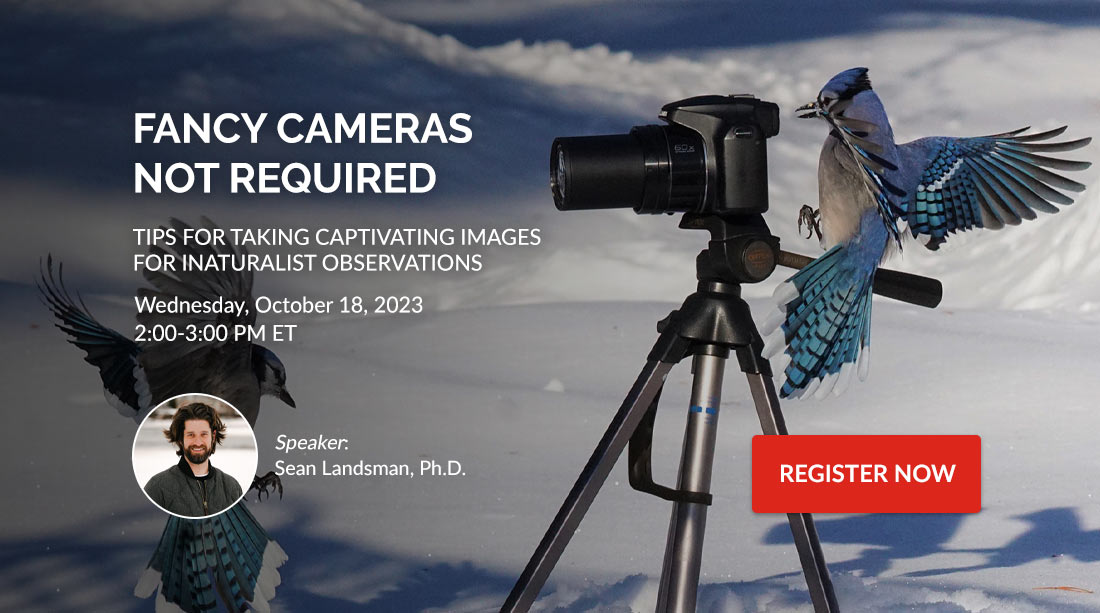
Fancy Cameras Not Required: A Webinar
2023-10-18
October 18, 2023 at 2-3 pm ET, get tips for taking captivating images for iNaturalist observations. "Gear lust” is a term in photography used to describe the feeling people have when they pine after the latest and greatest camera equipment. People often conflate having expensive equipment with being a good photographer, but in reality this thought is mostly a fallacy. Taking strong, captivating images requires knowledge of compositional techniques, a little understanding of psychology, visual processing, and – especially in nature photography – knowledge of your subject. In this talk, I will give you tips and tricks you can use in the field with whatever camera you have at your disposal, no matter its cost.
-
Gardening for Pollinators
2023-03-28
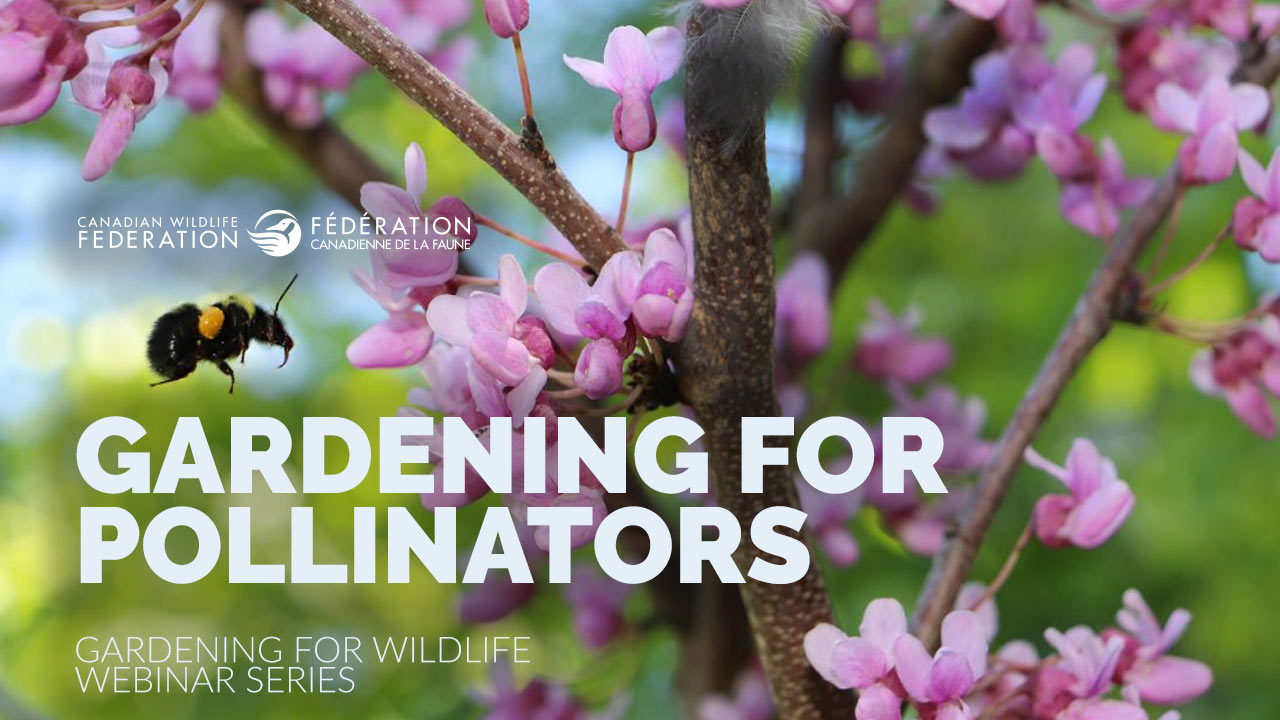
Learn about Canada’s seven kinds of pollinators and their importance in our daily lives. We’ll also give you lots of simple yet powerful tips to help these tiny allies in your garden and resources to help you along. We hope to see you there! Speaker: Sarah Coulber is CWF’s Gardening for Wildlife Program Coordinator, helping Canadians connect to the nearby nature right outside their door. Before CWF, Sarah held a variety of naturalist and environmental roles and has been a gardener and nature lover most of her life.
Education & Leadership
Endangered Species & Biodiversity
-
Natural Insect Control Handout
2026-06-26
A garden is more than just plants. It may be tempting to reach for chemical pesticides. But while these products can be an effective short-term answer, they don't contribute to the long-term health of your garden.
-
Wild About Pollinators Poster
2026-06-26
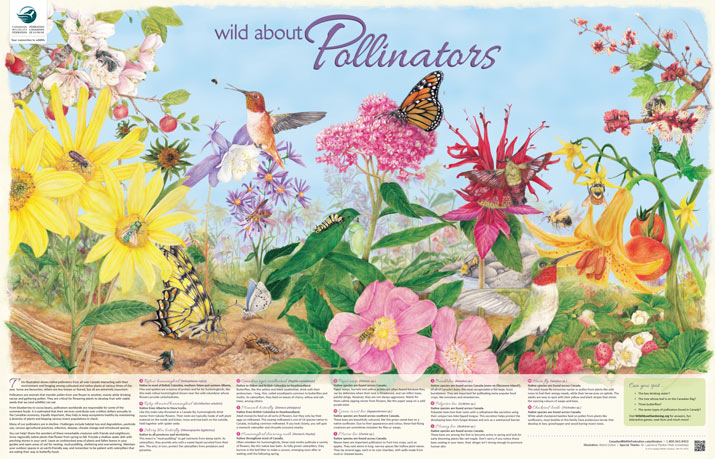
This illustration shows native pollinators from all over Canada interacting with their environment and foraging among cultivated and native plants at various times of the year. Some are favourites, others are less known or feared, but all are extremely important.Pollinators are animals that transfer pollen from one flower to another, mainly while drinking nectar and gathering pollen.
-
What to do if you hook a turtle
2019-05-30
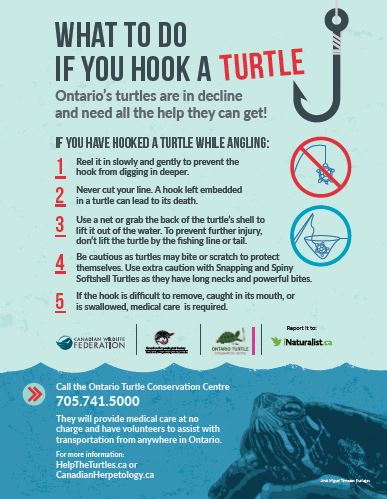
Ontario’s turtles are in decline and need all the help they can get!
-
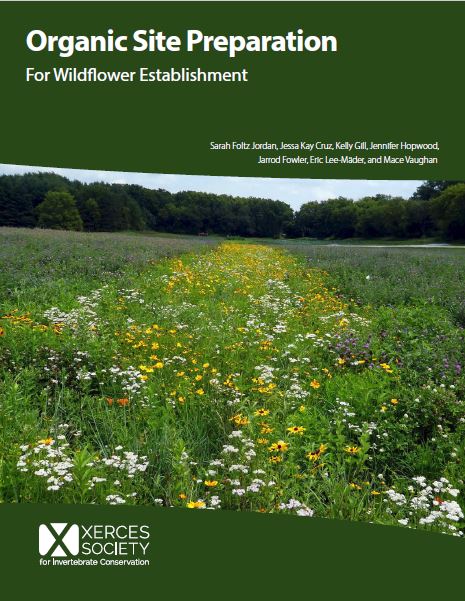
Organic Site Preparation for Wildflower Establishment
2019-05-07
Pollinators are a priority resource concern for many conservationists and farmers. The Xerces Society conducted field trials throughout the Easter, Midwestern and Western United States to inform best practices.
-
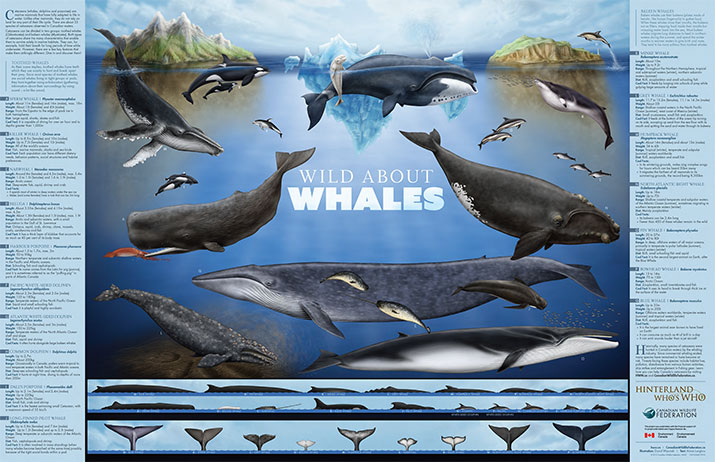
Wild About Whales Poster
2026-06-26
Cetaceans (whales, dolphins and porpoises) are marine mammals that have fully adapted to life in water. Unlike other mammals, they do not rely on land for any part of their life cycle. There are about 33 species of cetaceans observed in Canadian waters.Cetaceans can be divided in two groups: toothed whales (Odontocetes) and baleen whales (Mysticetes). Both types of cetaceans share the many characteristics that enable them to survive solely in marine habitats. They can, for example, hold their breath for long periods of time while underwater. However, there are a few key features that make them strikingly different. Dive in and discover them!
Forests & Fields
-
-
-
-
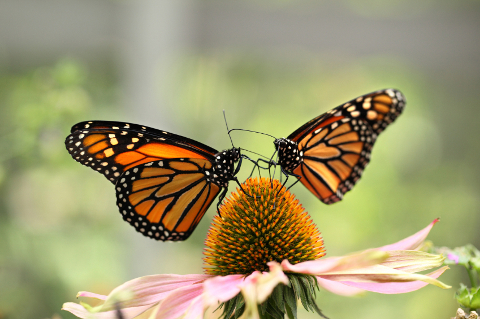
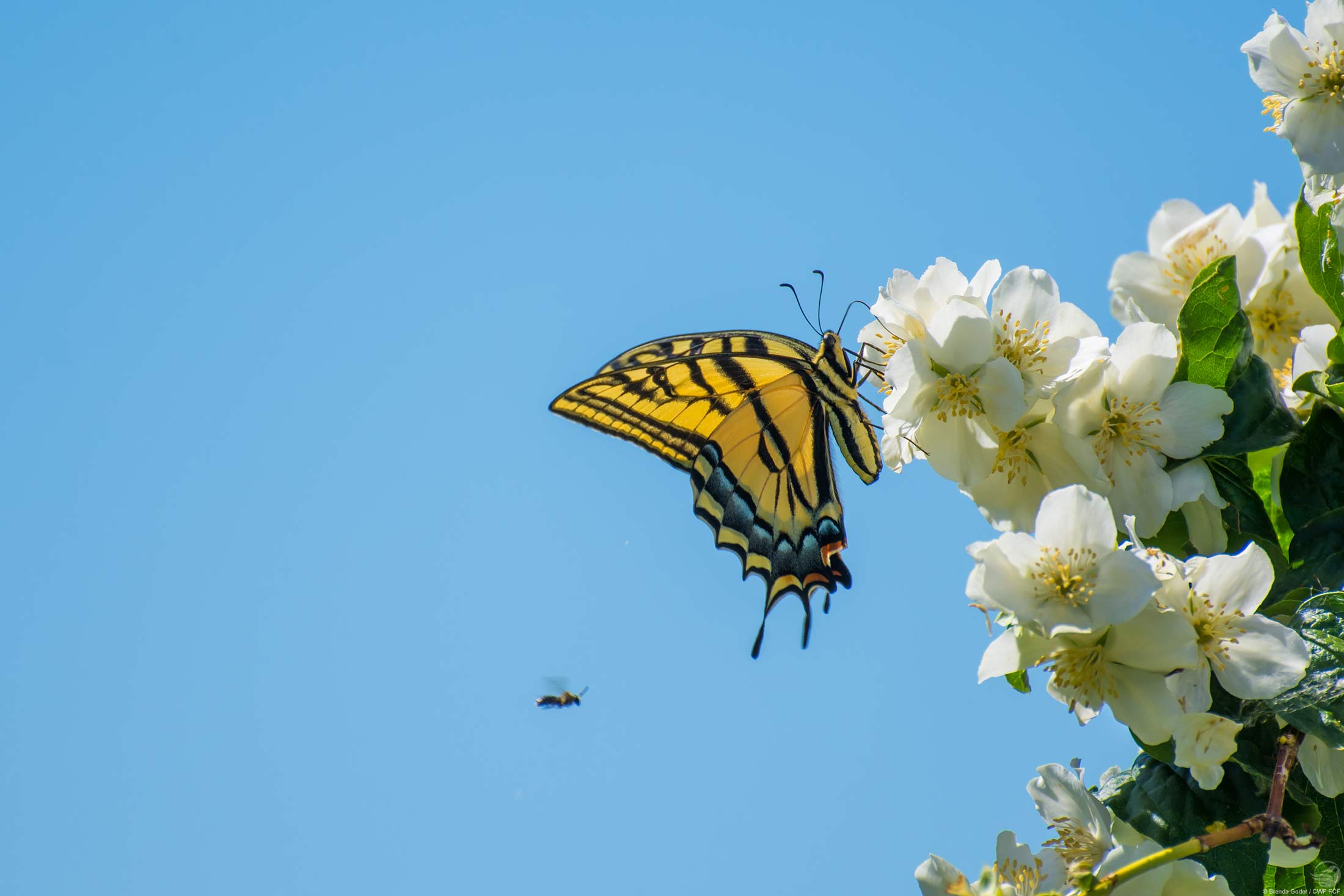
Monarch butterfly
2026-06-26
We’re featuring a monarch butterfly nabbing some nectar for a mid-afternoon snack
-

Horseshoe Bay, Pukaskwa National Park, Ontario
2014-07-01
Download this wallpaper of Horseshoe Bay, Pukaskwa National Park, Ontario
Lakes & Rivers
-
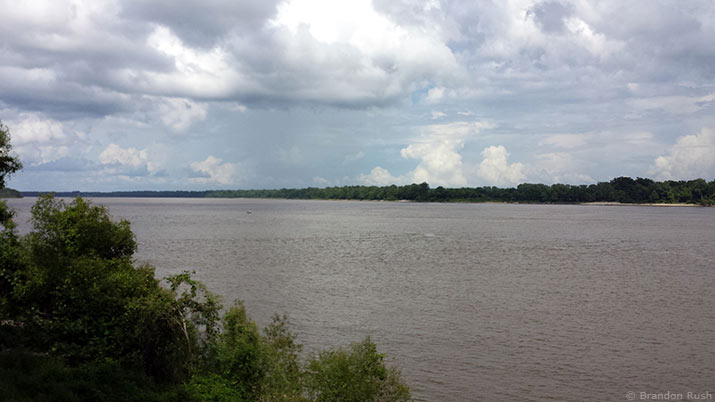
What does the Mississippi look like?
2015-11-02
What does the Mississippi look like? Exploring the river from top to bottom. Author and Adventurer, Jordan Hanssen, will take students on a journey beyond the part of the Mississippi most familiar with students, showing them the diversity of its 2,350 miles. From a trickle at its headwaters to its mighty mouth bringing in the story of the river and how it appears in almost everything they will study in the classroom and labs.<strong><br>Nov.2, 2015<br>1pm</strong>
-
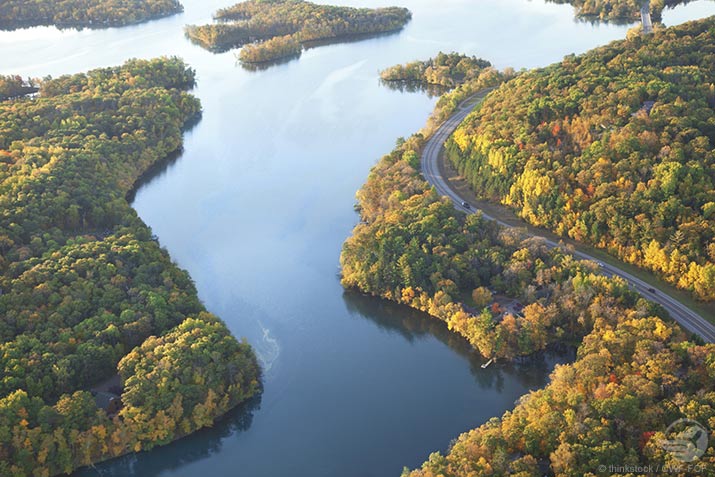
Microbial community changes across the Mississippi River
2015-10-27
Dr. Cameron Thrash returns to the OAR Northwest Education webinar this season to discuss microbial community composition changes across river tributaries, and its effects on the Mississippi River and greater communities. Early findings are derived from wet samples taken by last year’s expedition crew during Adventure: Mississippi River 2014.
-
We're Halfway There!
2014-10-23
Our third Adventure Mississippi webinar finds the OAR Northwest team in St. Louis, Missouri after six weeks on the Mississippi River. The Adobe Connect webinar, hosted by CWF Education Manager Randy McLeod, is a great opportunity for students and teachers to connect with the crew and learn more about the canoeing and rowing expedition. Download related lesson plans here.
-
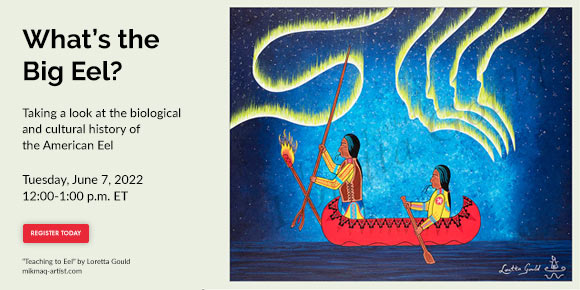
What’s the Big Eel?
2022-06-07
June 7, 2022, 12:00 – 1:00 p.m. ET. Join CWF’s Senior Conservation Freshwater Ecology Biologist Nicholas Lapointe and Jennifer Sylliboy, Program Manager Unama’ki Institute of Natural Resources, as they discuss the biological and cultural history of the American Eel. Jennifer will present on American Eel in the Bras d’Or Lake, Cape Breton, Nova Scotia and the relationship between Kat (eel) and the Mi’kmaq people. The population of American Eel has declined in the Bras d’Or Lakes over the past 20 to 30 years. While many Mi’kmaw harvesters feel the population is still good and has seen its ups and downs, its future is uncertain. Mi’kmaq people have traditionally harvested adult eel for food and cultural purposes for thousands of years. The value of eels to Mi’kmaq culture is difficult to quantify. The value is not driven by dollars, landings, or economic potential. The value is in the life, culture, health, and spirituality they sustain. With population declines globally, we need to ask ourselves what would our lives be like without the American Eel? And what can or are we doing to ensure that doesn’t happen. Nick will take us through the American Eel’s unique and fascinating life history and their conservation crisis in Canada. Sadly, this life history places them at risk from human activities and has contributed to their global decline. Alarms were first raised in the early 1990s about their decline in Canada due primarily to hydropower dams. But little has changed to address this threat. The federal Fisheries Act and Species at Risk Act should both protect the species, along with provincial legislation, but so far regulators have taken little action. We will explain what has been done to date, what has stalled, and what can be done to change the situation and help American Eel recover.
-
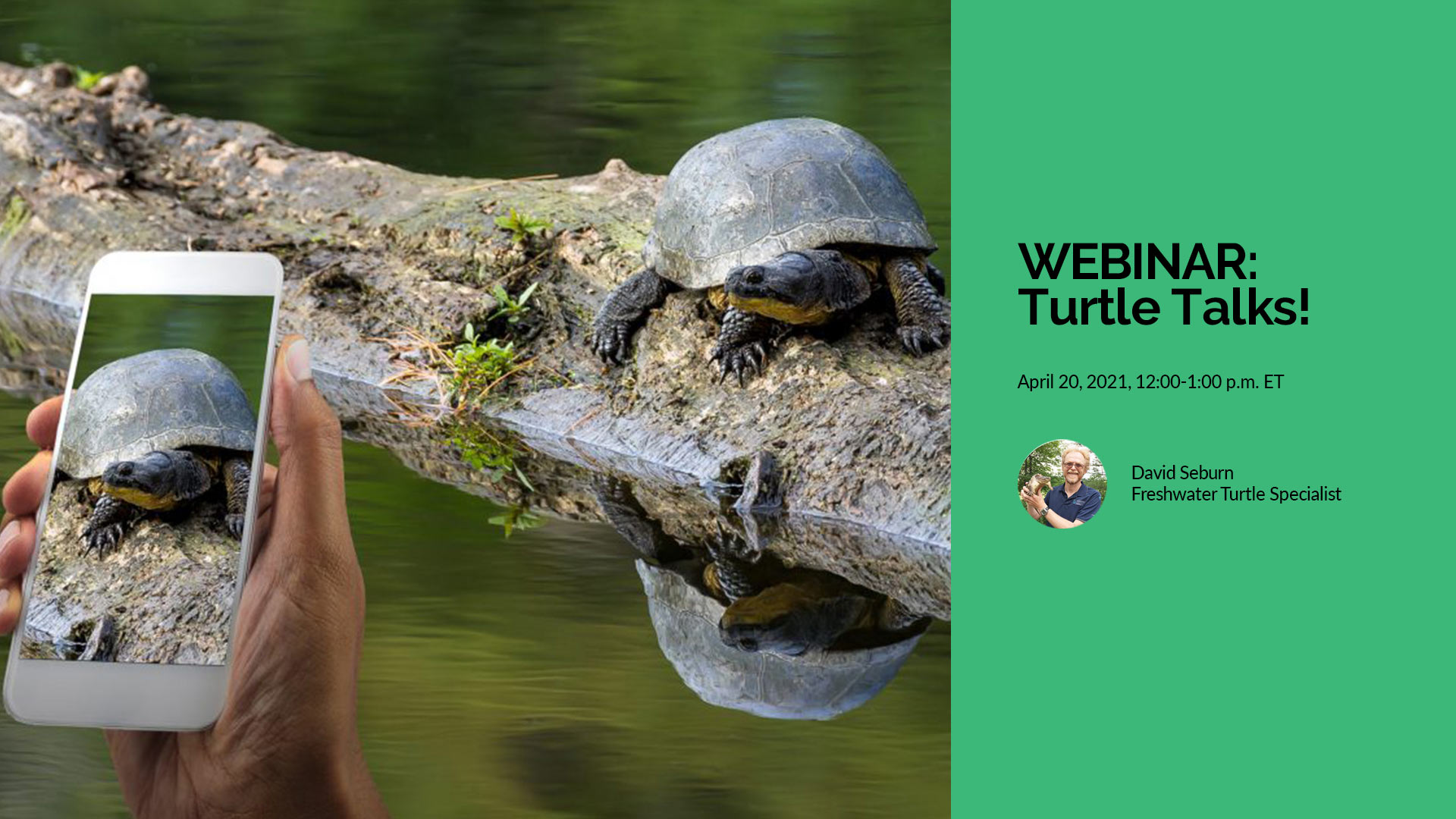
Turtle Talks Webinar
2021-04-20
April 20, 2021, 12:00-1:00 p.m. ET Who doesn’t love turtles?! They’re cute, they’re interesting and they come in so many shapes and size. They’re also one of the most endangered groups of species in Canada. Join us for a webinar all about turtles, and discover what the Canadian Wildlife Federation is doing to help them and what you can do to help, too!

Learn More

- 0
- 1
- 2
- 3