




-
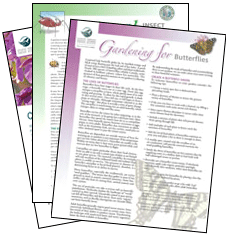 Guides, Infographics & Posters
Guides, Infographics & Posters
Take a closer look at the ways in which we’ll help you access the facts about wildlife. Whether it’s discovering the Hinterland Who’s Who animal fact sheets, or ordering our handy field guide to Canada’s prevalent shoreline species. This content is available to our CWF Supporters and online members. Please sign in to order your free materials.
More -
-
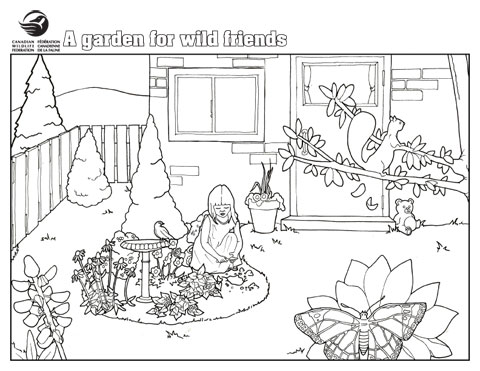
Wildlife E-cards
Wildlife E-cards
Send Dad a wildlife e-card! You cherish our wonderful wildlife and now you can send e-greetings that reflect your love of nature. We have developed a wide array of wildlife ecards for every occasion for you to share with your family and friends!
More -
 CWF Wallpapers
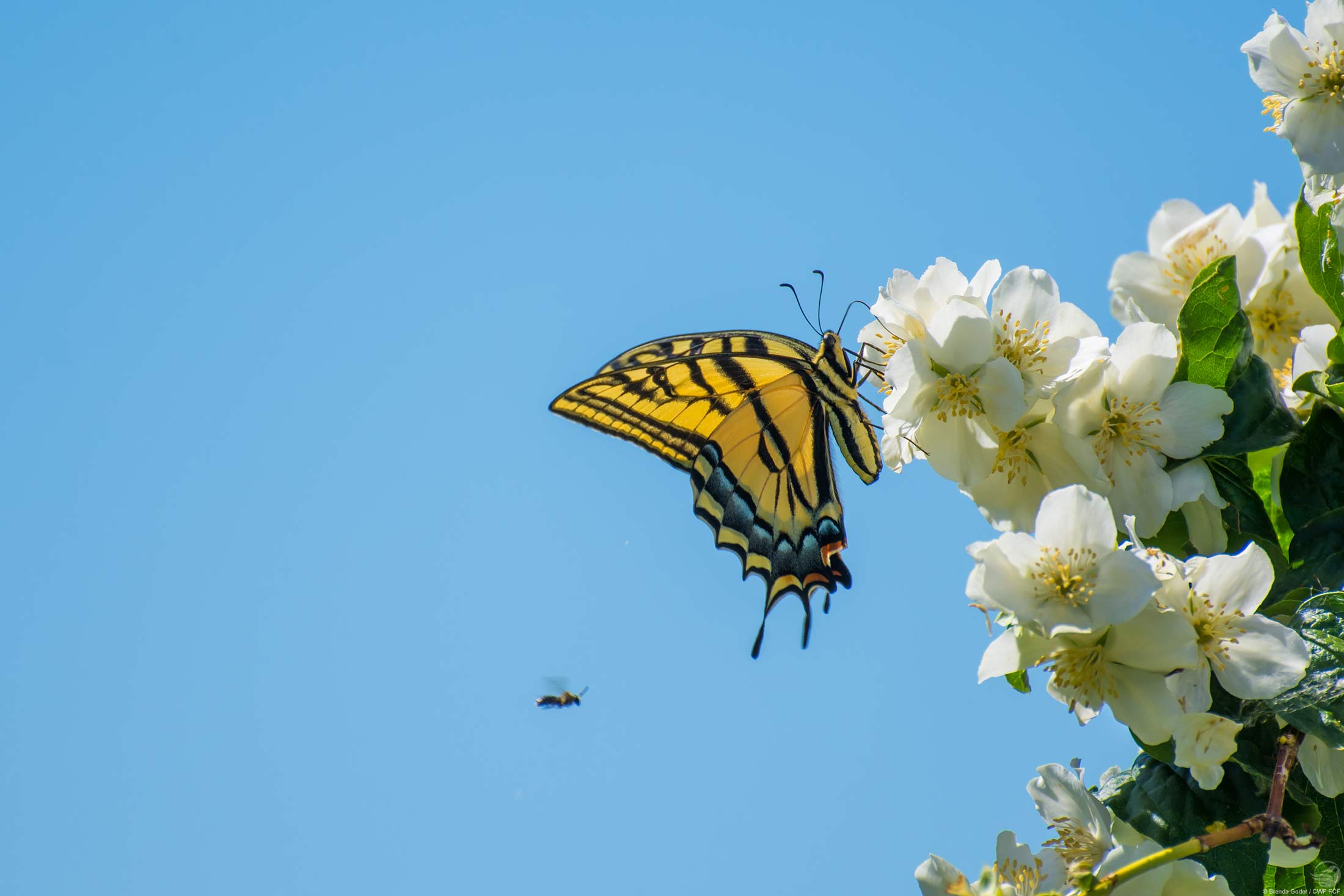
CWF Wallpapers
Your desktop is the perfect habitat for this wild wallpaper. Download CWF wallpapers!
More -
 WILD Webinars
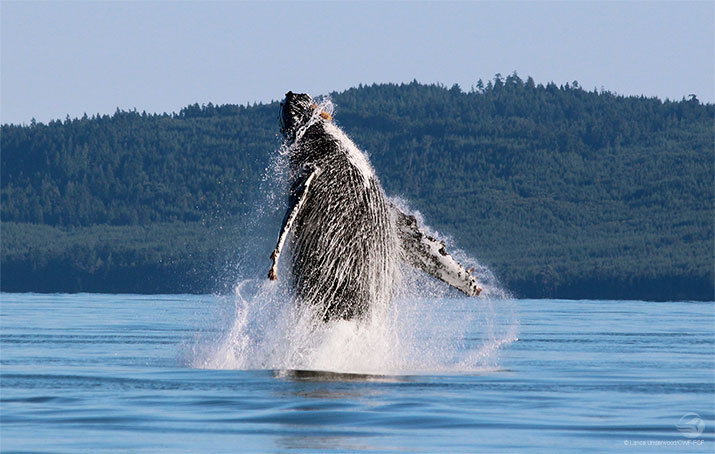
WILD Webinars
With topics relating to conservation, wildlife and habitat, we provide a relevant online learning platform, typically for grades four to six but of benefit to any age.
More

From easy-to-use apps designed as tools for your citizen science projects to picturesque wallpaper images for your computer, CanadianWildlifeFederation.ca offers a variety of useful downloads for your PC and mobile devices.
Coasts & Oceans
Connecting With Nature
-
-
-

-

-
About iNaturalist.ca
2021-03-01
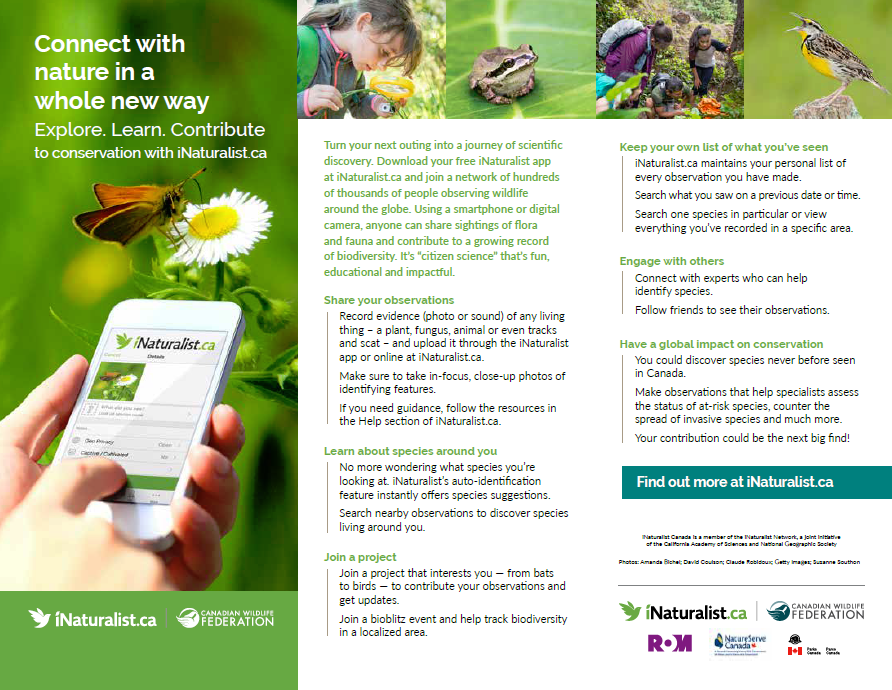
Turn your next outing into a journey of scientific discovery. Download your free iNaturalist app at iNaturalist.ca and join a network of hundreds of thousands of people observing wildlife around the globe. Using a smartphone or digital camera, anyone can share sightings of flora and fauna and contribute to a growing record of biodiversity. It’s “citizen science” that’s fun, educational and impactful.
Education & Leadership
Endangered Species & Biodiversity
-
Monarch Roost Data Guide
2026-06-26
-
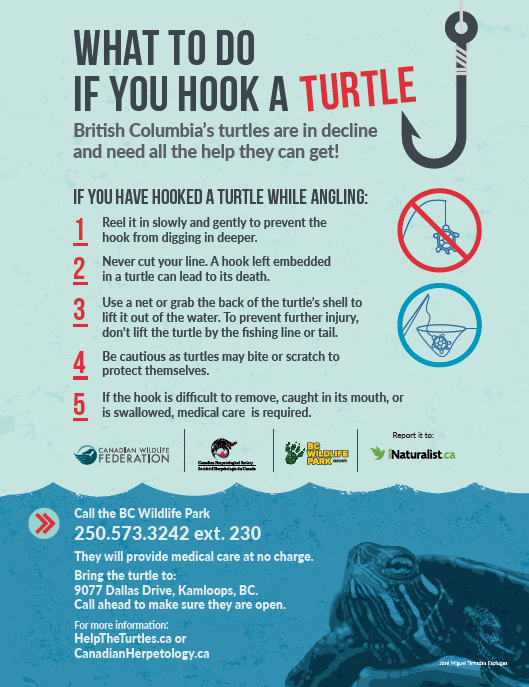
What to do if You Hook a Turtle in B.C.
2020-04-27
British Columbia’s turtles are in decline and need all the help they can get!
-
Hinterland Who's Who Fact Sheets
2026-06-26
Check out the facts for amphibians and reptiles, birds, fish, mollusks, insects, pollinators and mammals! We’ve even got information specific to species at risk, the boreal forest species, and species affected by climate change! So why not learn a little bit more about these Canadian creatures
-
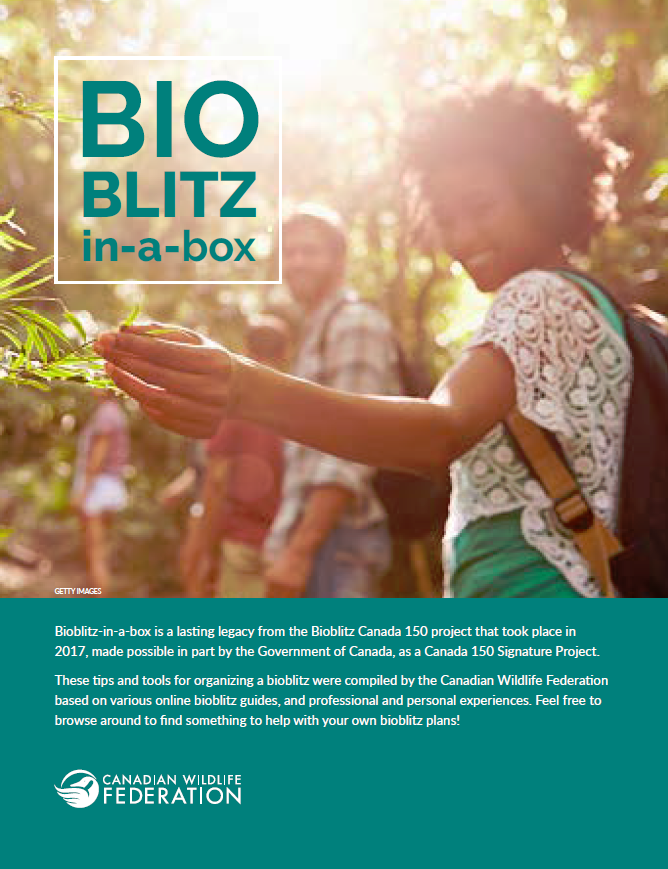
Bioblitz in a Box
2021-09-24
Bioblitz-in-a-box is a lasting legacy from the Bioblitz Canada 150 project that took place in 2017, made possible in part by the Government of Canada, as a Canada 150 Signature Project. These tips and tools for organizing a bioblitz were compiled by the Canadian Wildlife Federation based on various online bioblitz guides, and professional and personal experiences. Feel free to browse around to find something to help with your own bioblitz plans!
-
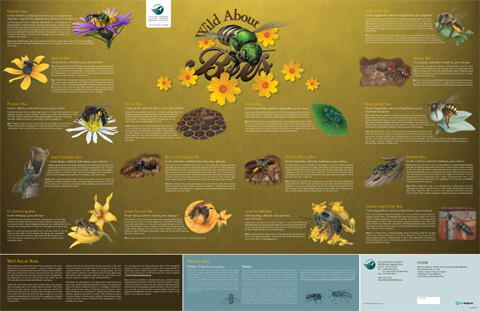
Wild About Bees Poster
2026-06-26
Approximately one-third of all human food is prepared from plants that depend on animal pollinators — and bees make the biggest contribution. The most familiar bee is the honey bee (Apis mellifera), which was introduced from Europe almost 400 years ago. Although we may first picture the honey bee when we think of pollinators, our native bees, such as the bumble bee or the mason bee, are often actually more effective and efficient pollinators. Unlike the social honey bee, which shares labour and caretak-ing of its young, most of our native bees are solitary. This means that each female prepares her own nest, provisions it with food (nectar and pollen) for her offspring, lays her eggs and provides little further care.
Forests & Fields
-
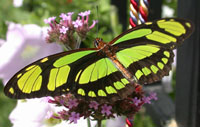
Gardening for Butterflies
2014-07-15
-
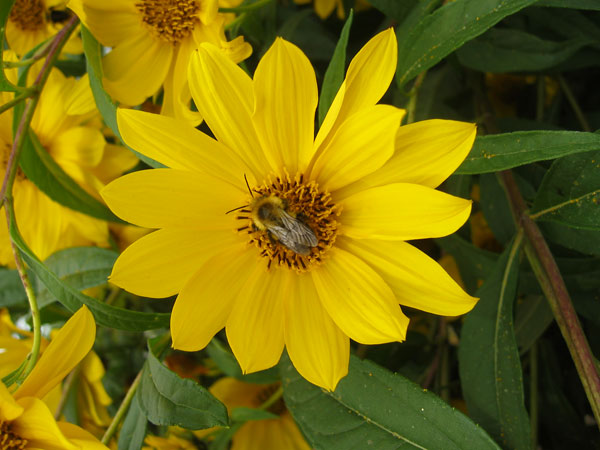
Notable Native Canadian Plants
2014-08-21
-
How to Build a Garden Dish
2014-06-25
-
-
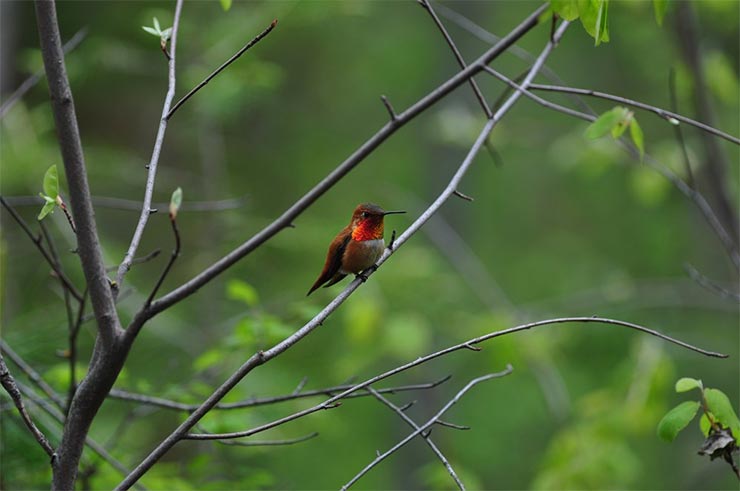
Hummingbird Migration Webinar
2015-04-09
Lakes & Rivers

Learn More

- 0
- 1
- 2
- 3