




-
 Guides, Infographics & Posters
Guides, Infographics & Posters
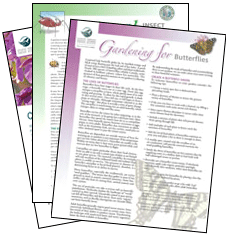
Take a closer look at the ways in which we’ll help you access the facts about wildlife. Whether it’s discovering the Hinterland Who’s Who animal fact sheets, or ordering our handy field guide to Canada’s prevalent shoreline species. This content is available to our CWF Supporters and online members. Please sign in to order your free materials.
More -
-
Wildlife E-cards
Wildlife E-cards
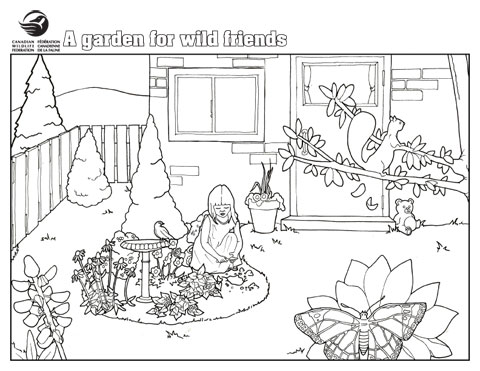
Send Dad a wildlife e-card! You cherish our wonderful wildlife and now you can send e-greetings that reflect your love of nature. We have developed a wide array of wildlife ecards for every occasion for you to share with your family and friends!
More -
 CWF Wallpapers
CWF Wallpapers
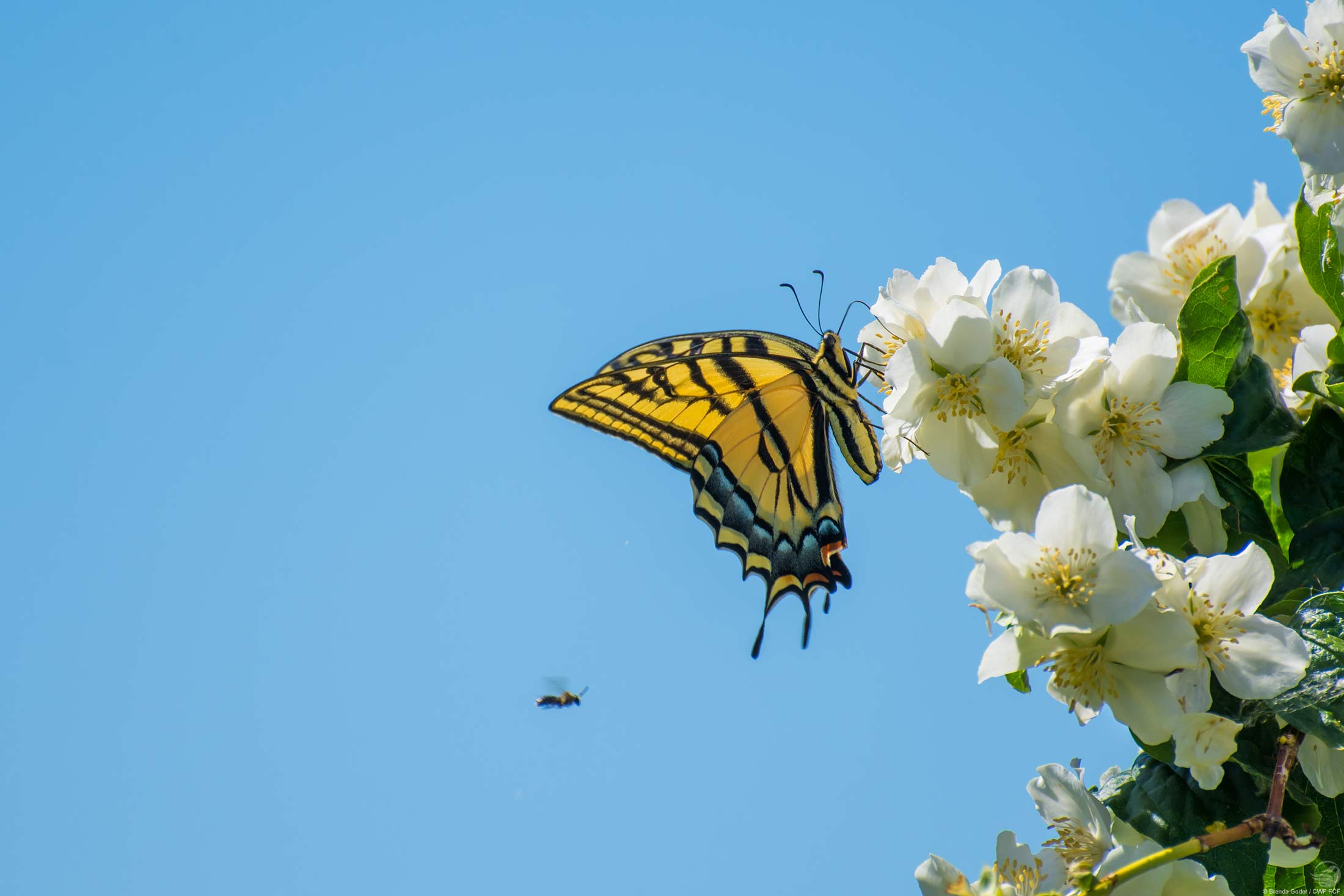
Your desktop is the perfect habitat for this wild wallpaper. Download CWF wallpapers!
More -
 WILD Webinars
WILD Webinars
With topics relating to conservation, wildlife and habitat, we provide a relevant online learning platform, typically for grades four to six but of benefit to any age.
More

From easy-to-use apps designed as tools for your citizen science projects to picturesque wallpaper images for your computer, CanadianWildlifeFederation.ca offers a variety of useful downloads for your PC and mobile devices.
Coasts & Oceans
Connecting With Nature
-
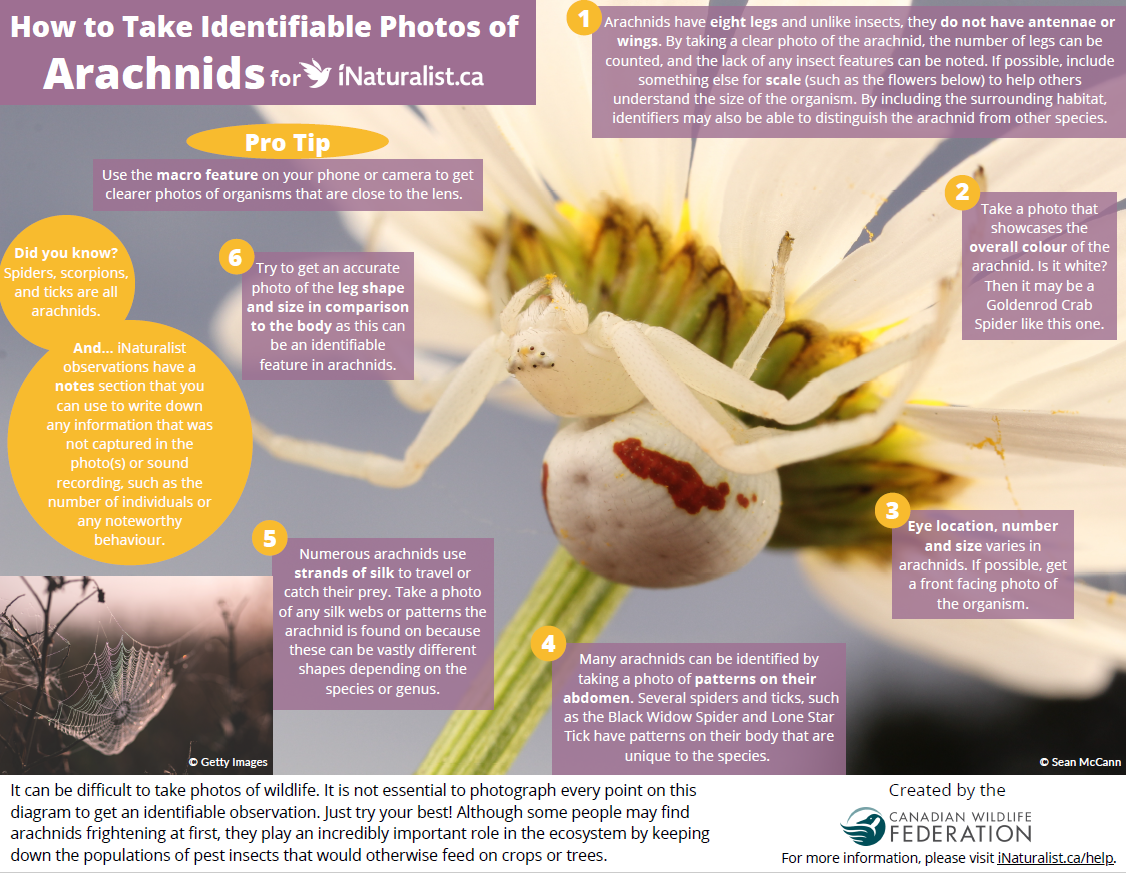
How to Take Identifiable Photos of Arachnids
2026-06-26
It can be difficult to take photos of wildlife. It is not essential to photograph every point on this diagram to get an identifiable observation. Just try your best! Although some people may find arachnids frightening at first, they play an incredibly important role in the ecosystem by keeping down the populations of pest insects that would otherwise feed on crops or trees.
-
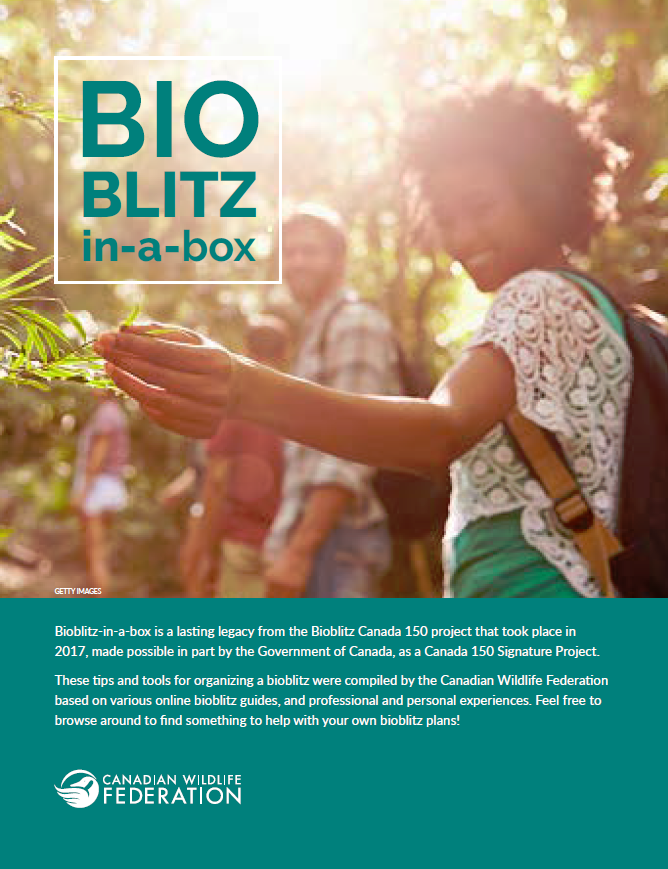
Bioblitz in a Box
2021-09-24
Bioblitz-in-a-box is a lasting legacy from the Bioblitz Canada 150 project that took place in 2017, made possible in part by the Government of Canada, as a Canada 150 Signature Project. These tips and tools for organizing a bioblitz were compiled by the Canadian Wildlife Federation based on various online bioblitz guides, and professional and personal experiences. Feel free to browse around to find something to help with your own bioblitz plans!
-
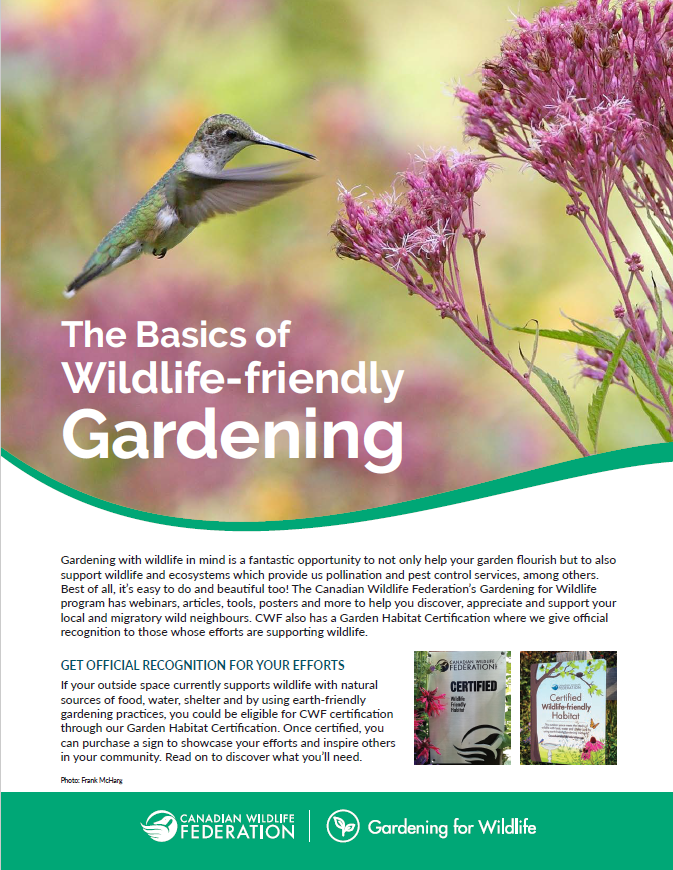
The Basics of Wildlife-friendly Gardening (printer-friendly version)
2026-06-26
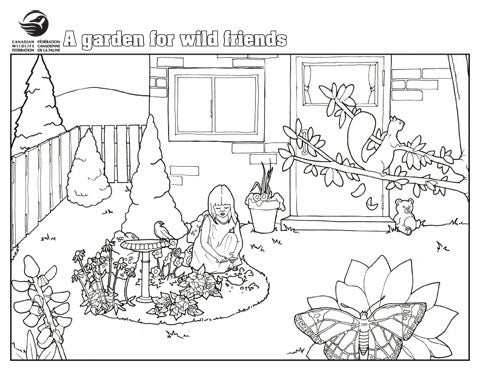
Gardening with wildlife in mind is a fantastic opportunity to not only help your garden flourish but to also support wildlife and ecosystems which provide us pollination and pest control services, among others. Best of all, it’s easy to do and beautiful too! The Canadian Wildlife Federation’s Gardening for Wildlife program has webinars, articles, tools, posters and more to help you discover, appreciate and support your local and migratory wild neighbours. CWF also has a Garden Habitat Certification where we give official recognition to those whose efforts are supporting wildlife.
-

Helping Monarchs and Pollinators: Rethinking Mowing
2019-05-07
Pollinators are a priority resource concern for many conservationists and farmers. The Xerces Society conducted field trials throughout the Easter, Midwestern and Western United States to inform best practices.
-
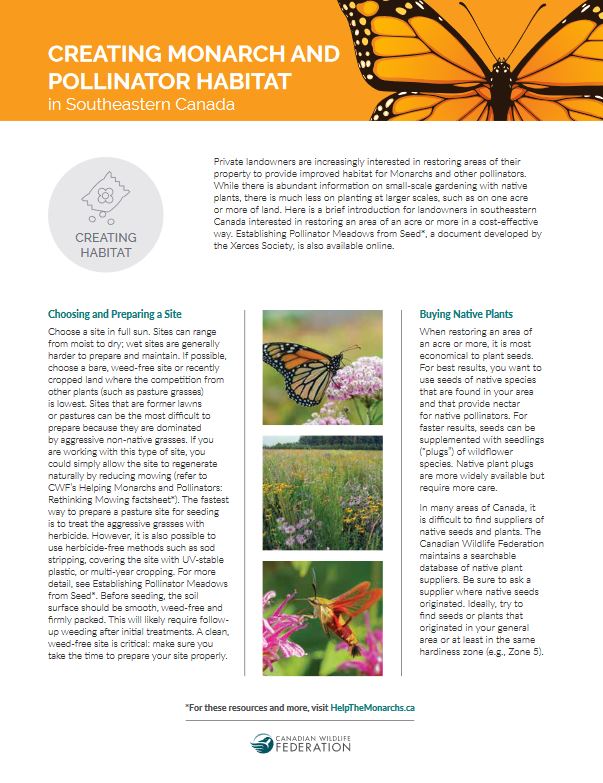
Creating Monarch and Pollinator Habitat
2026-06-26
Private landowners are increasingly interested in restoring areas of their property to provide improved habitat for Monarchs and other pollinators. While there is abundant information on small-scale gardening with native plants, there is much less on planting at larger scales, such as on one acre or more of land. Here is a brief introduction for landowners in southeastern Canada interested in restoring an area of an acre or more in a cost-effective way. Establishing Pollinator Meadows from Seed*, a document developed by the Xerces Society, is also available online
Education & Leadership
Endangered Species & Biodiversity
Forests & Fields

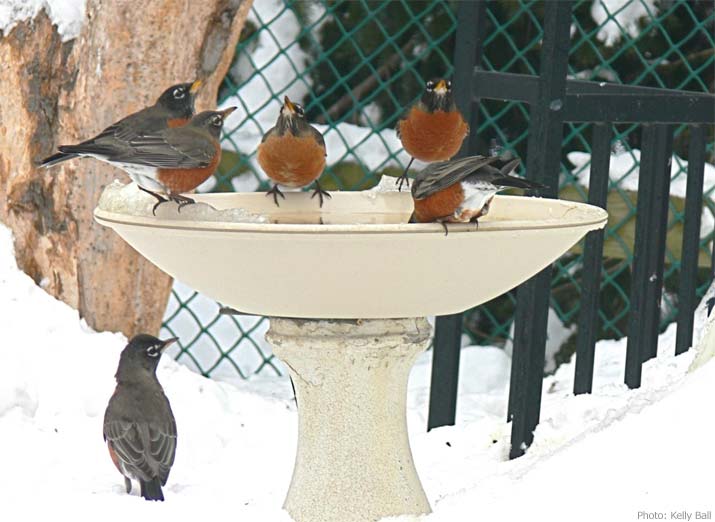

Lakes & Rivers

Learn More

- 0
- 1
- 2
- 3