




-
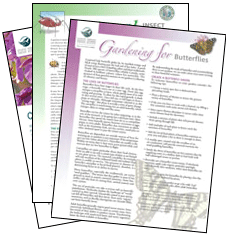 Guides, Infographics & Posters
Guides, Infographics & Posters
Take a closer look at the ways in which we’ll help you access the facts about wildlife. Whether it’s discovering the Hinterland Who’s Who animal fact sheets, or ordering our handy field guide to Canada’s prevalent shoreline species. This content is available to our CWF Supporters and online members. Please sign in to order your free materials.
More -
-
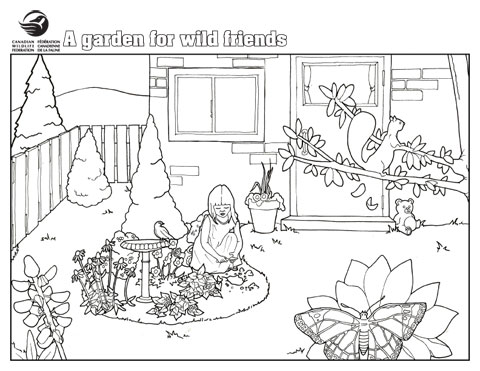
Wildlife E-cards
Wildlife E-cards
Send Dad a wildlife e-card! You cherish our wonderful wildlife and now you can send e-greetings that reflect your love of nature. We have developed a wide array of wildlife ecards for every occasion for you to share with your family and friends!
More -
 CWF Wallpapers
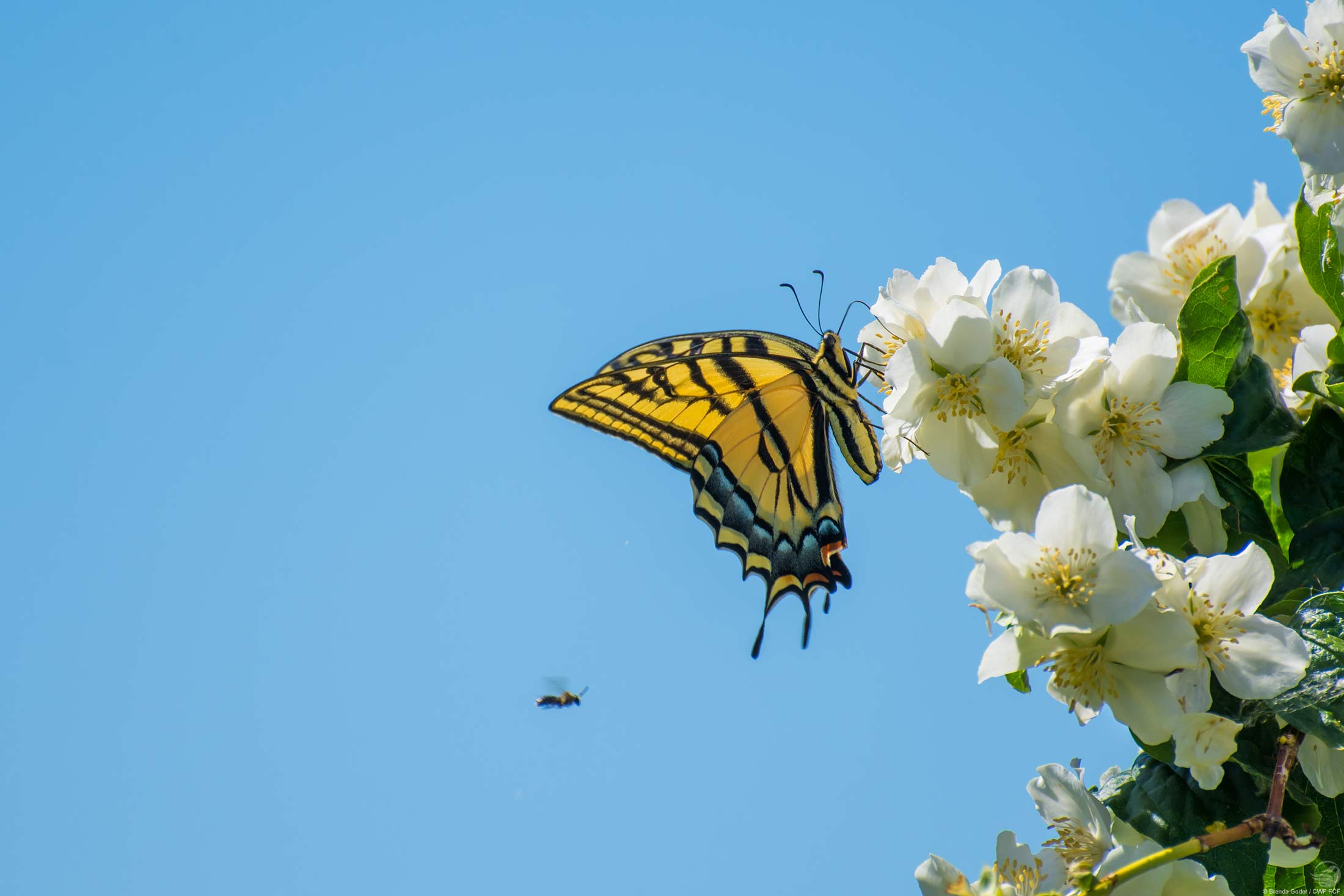
CWF Wallpapers
Your desktop is the perfect habitat for this wild wallpaper. Download CWF wallpapers!
More -
 WILD Webinars
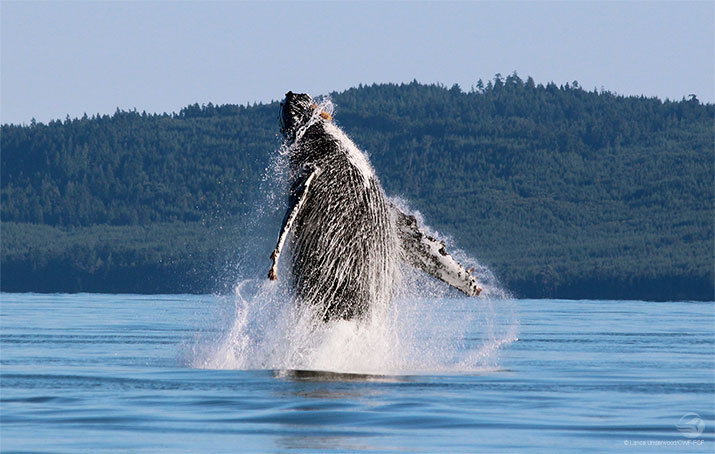
WILD Webinars
With topics relating to conservation, wildlife and habitat, we provide a relevant online learning platform, typically for grades four to six but of benefit to any age.
More

From easy-to-use apps designed as tools for your citizen science projects to picturesque wallpaper images for your computer, CanadianWildlifeFederation.ca offers a variety of useful downloads for your PC and mobile devices.
Coasts & Oceans
Connecting With Nature
-
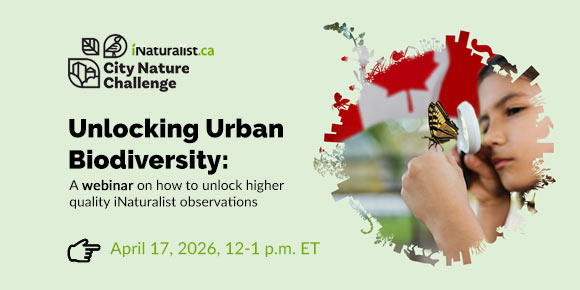
Unlocking Urban Biodiversity: A Guide to Higher Quality iNaturalist Observations
2026-04-17
iNaturalist is one of the world’s most popular nature apps, connecting people with nature while contributing to biodiversity science. Join the Canadian Wildlife Federation for an engaging webinar on how to make the most of your time exploring urban environments by creating high-quality iNaturalist observations. Learn practical tips for documenting species effectively, improving your identification skills, and contributing observations that can support scientific and conservation efforts. Leading the session will be Nathan Earley, a PhD candidate at the University of Victoria. Through his work with the BC Biodiversity Program, Nathan uses iNaturalist data to illuminate where British Columbia’s lesser known and often overlooked species live across urban and natural landscapes. He will share what makes an observation scientifically valuable, common pitfalls to avoid, and how your contributions can help fill critical biodiversity knowledge gaps. Whether you’re a seasoned iNaturalist user or just getting started, this webinar will help you level up your naturalist skills and contribute meaningfully to the annual City Nature Challenge and biodiversity science in Canada.
-
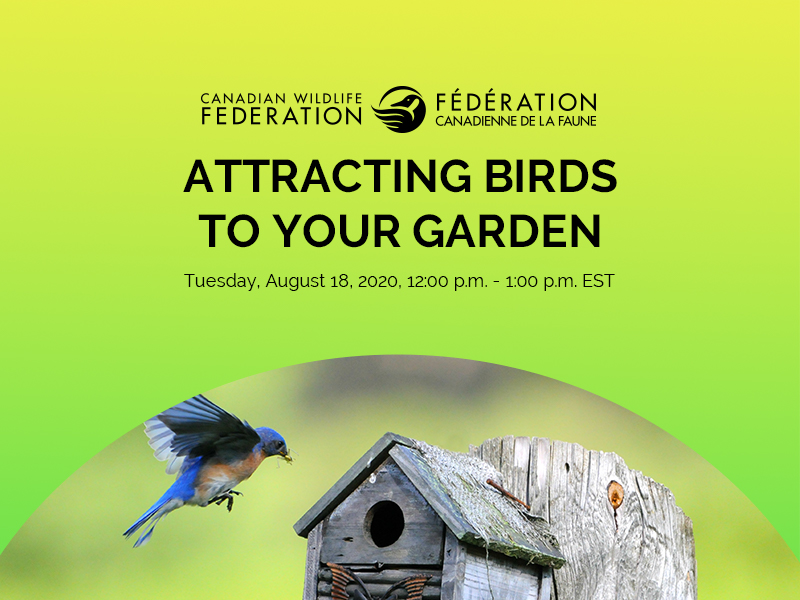
Attracting Birds to Your Garden
2020-08-18
Join the Canadian Wildlife Federation as we share tips and tricks to support your local and migratory birds. Adding certain habitat features to your garden can also enhance the visual appeal of your outdoor space. As a result, we get to enjoy the beauty and antics of our winged neighbours as well as benefit from their important pest control services and, in the case of hummingbirds, some pollination help as well.
-
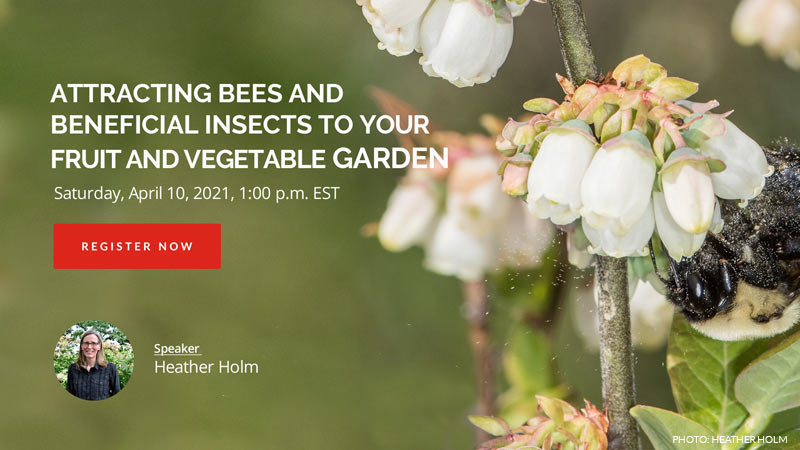
Attracting Bees and Beneficial Insects to Your Fruit and Vegetable Garden
2021-04-10
Saturday, April 10, 2021 at 1:00 p.m. EST. Join the Canadian Wildlife Federation as Heather Holm, researcher and award-winning author, shares her valuable insights on supporting bees and other beneficial insects. Learn about the importance of insect pollination and the bees responsible for pollinating the fruits and vegetables we grow in both home and commercial landscapes. Heather will discuss the genera of bees responsible for the majority of the pollination and the additional forage (flowering plants) you need to provide to ensure that the 'flower buffet' is always open, even when the fruit or vegetable plants are not in flower. You’ll also learn about the beneficial insects that the native flowering plants will attract and how these insects can help reduce insect pest populations in your fruit or vegetable garden.
-
City Nature Challenge 2024 Webinar Series: #1 - Observing with iNaturalist in Urban Spaces
2024-04-18
Explore the vibrant biodiversity thriving in our urban landscapes during our City Focus webinar. Discover the diverse array of species, from plants to birds and mammals, that call the city home. Learn tips and techniques for capturing images to showcase the urban wildlife in the upcoming City Nature Challenge.
-
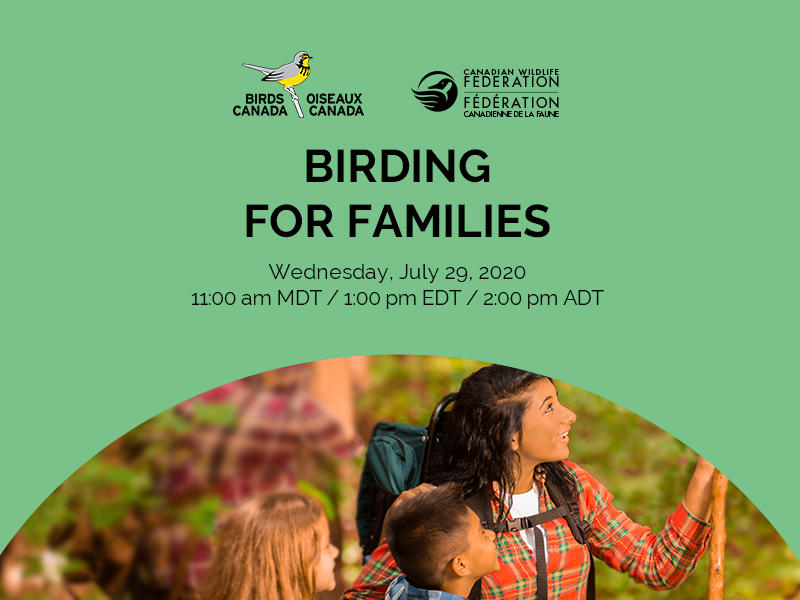
Birding for Families
2020-07-29
Looking for new ways to get outside with your family this summer? Birdwatching offers a great opportunity for you and your kids to connect with nature close to home. The best part? Birds can be found everywhere! Whether you live in a downtown high-rise or in the country, you’ve likely seen or heard one of our feathered friends close by. Join Birds Canada and the Canadian Wildlife Federation for a family-friendly introduction to the world of birds and gain practical tips and resources to help you get started with birding. All that you need is a keen eye, a few basic resources, and your curiosity! Both adults and children are welcome to attend!
Education & Leadership
Endangered Species & Biodiversity
-
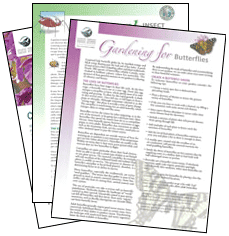
Gardening for Butterflies Handout
2026-06-26
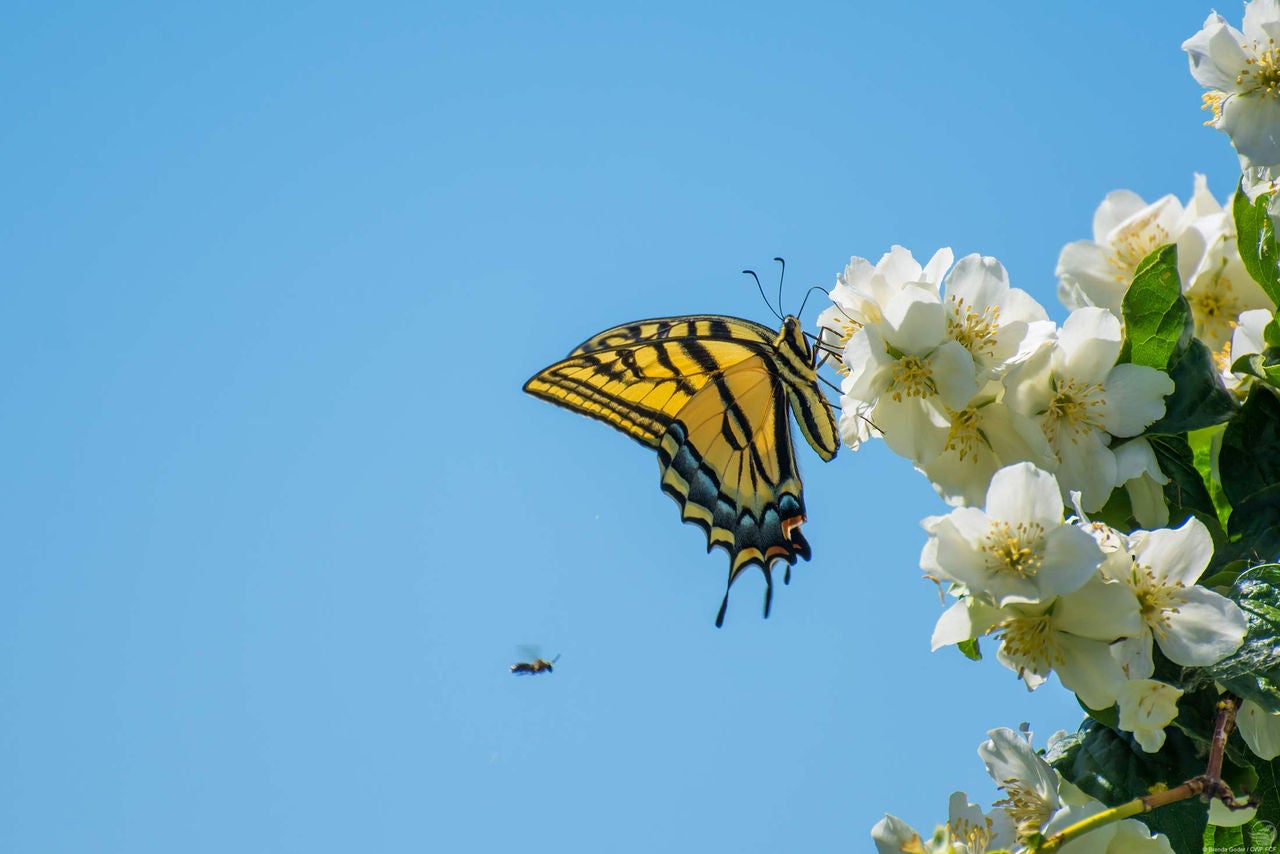
Nearly 300 species of butterflies inhabit Canada, some cloaked in brilliant colours, others less noticeable. The presence of these graceful creatures in our gardens is a blessing of vibrancy and beauty.
-
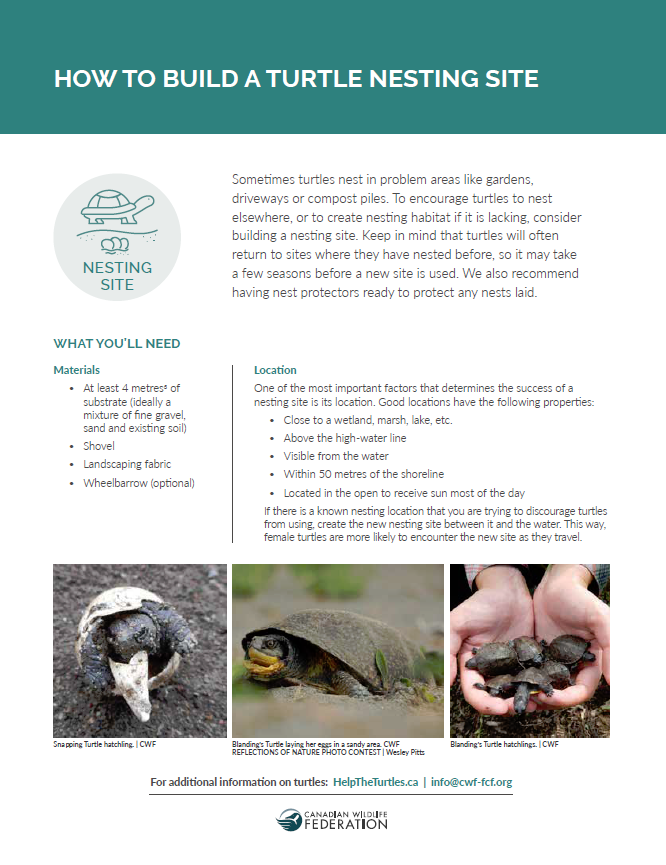
How To Build a Turtle Nesting Site
2026-06-26
Sometimes turtles nest in problem areas like gardens, driveways or compost piles. To encourage turtles to nest elsewhere, or to create nesting habitat if it is lacking, consider building a nesting site. Keep in mind that turtles will often return to sites where they have nested before, so it may take a few seasons before a new site is used. We also recommend having nest protectors ready to protect any nests laid.
-
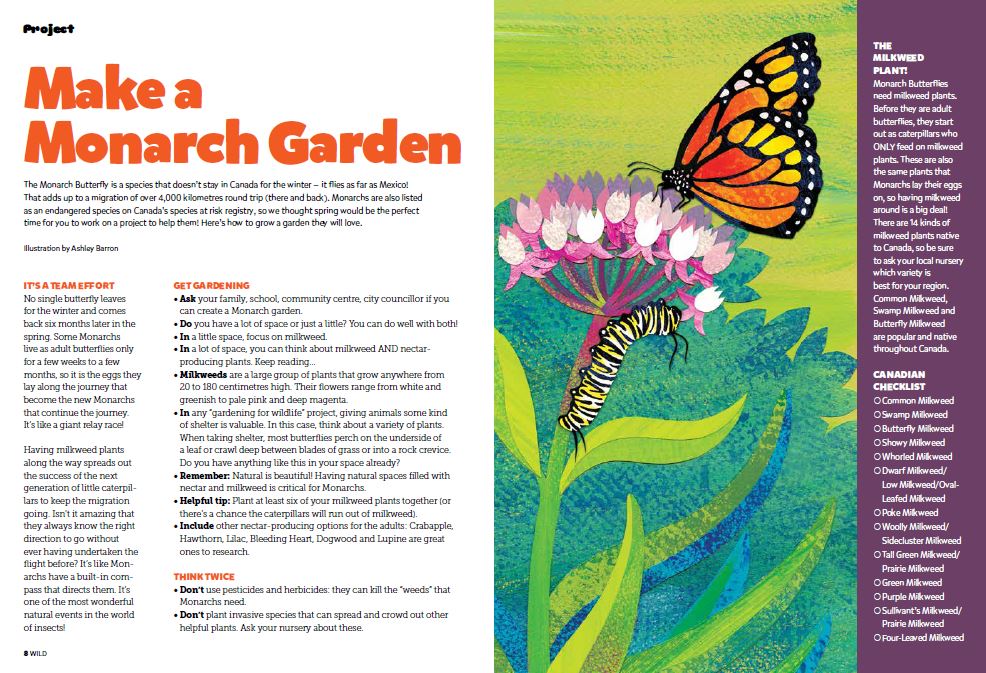
Make a Monarch Butterfly Garden
2020-04-01
The Monarch Butterfly is a species that doesn’t stay in Canada for the winter — it flies as far as Mexico! That adds up to a migration of over 4,000 kilometres round trip (there and back). Monarchs are also listed as an endangered species on Canada’s species at risk registry, so we thought spring would be the perfect time for you to work on a project to help them! Here’s how to grow a garden they will love.
-
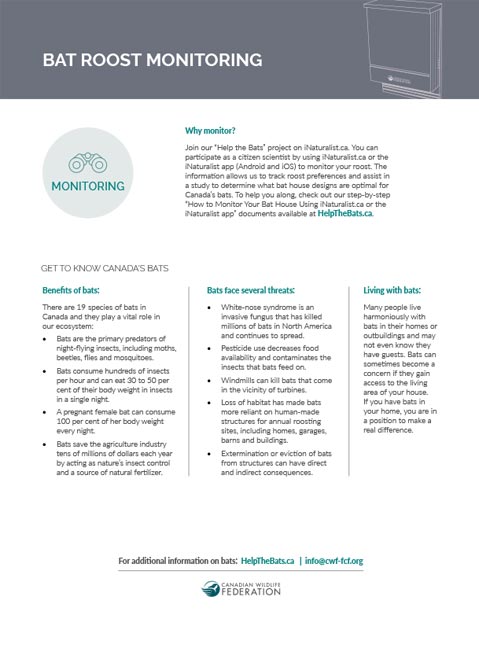
BAT ROOST MONITORING
2026-06-26
oin our “Help the Bats” project on iNaturalist.ca. You can participate as a citizen scientist by using iNaturalist.ca or the iNaturalist app (Android and iOS) to monitor your roost. The information allows us to track roost preferences and assist in a study to determine what bat house designs are optimal for Canada’s bats. To help you along, check out our step-by-step “How to Monitor Your Bat House Using iNaturalist.ca or the iNaturalist app” documents available at HelpTheBats.ca
-
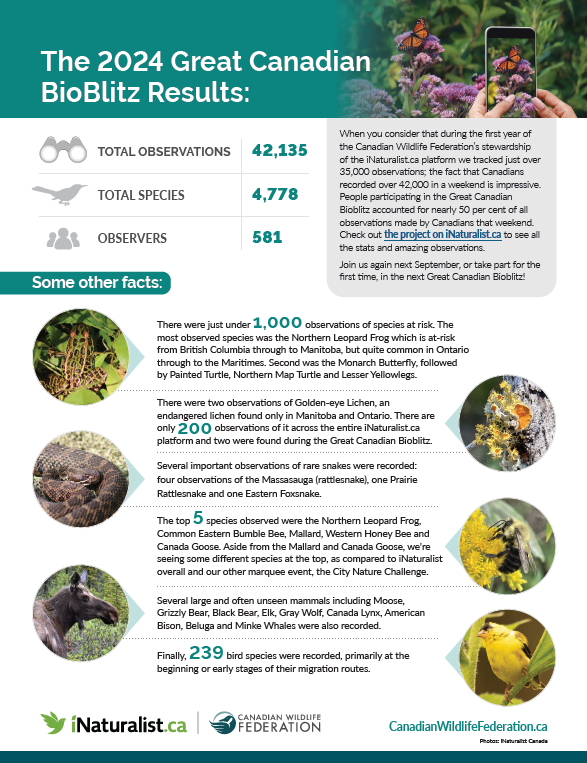
The 2024 Great Canadian Bioblitz Results
2024-10-01
Forests & Fields
-
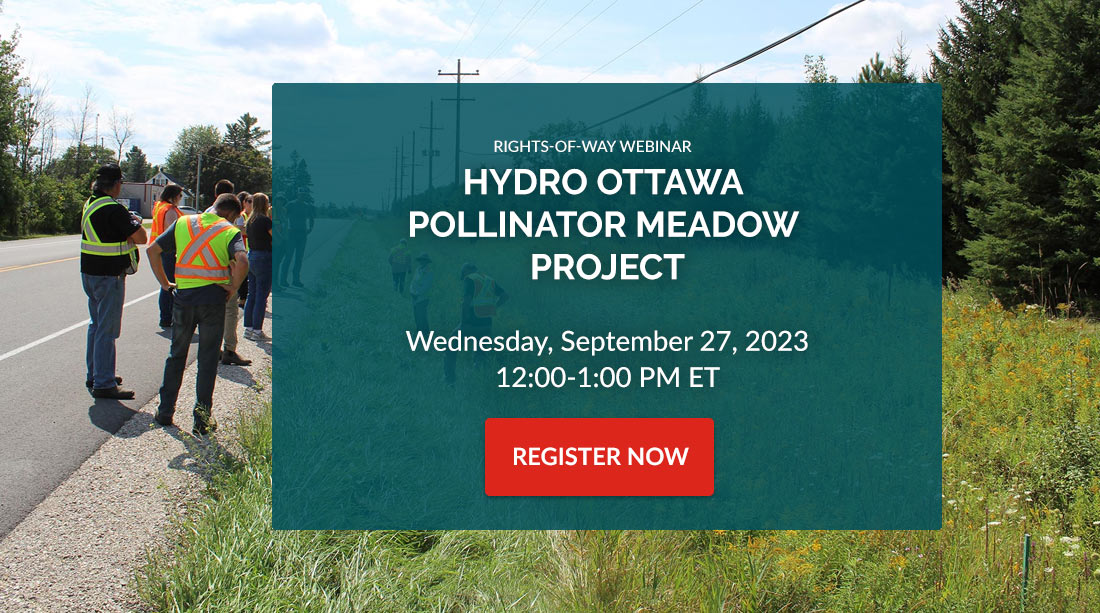
Hydro Ottawa Pollinator Meadow Project Webinar
2023-09-27
Join CWF Sep 27, 2023 12:00 Eastern Time as we host Brandon Holden from Rideau Valley Conservation Authority to talk about the Hydro Ottawa pollinator meadow project. We will talk about the origins, the planning, the monitoring and where the project stands today.
-
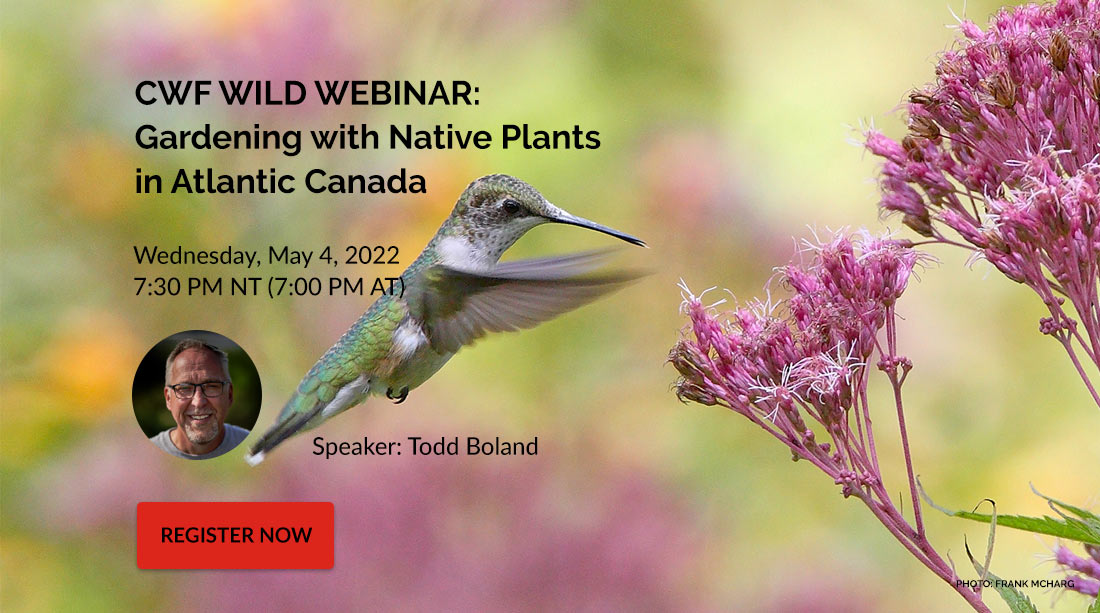
Gardening with Native Plants in Atlantic Canada
2022-05-04
Join CWF Wednesday May 4 for a webinar on using native plants in an Atlantic garden. Special guest, Todd Boland, author and longtime horticulturalist, will introduce Atlantic Canadian gardeners to the attributes of using native plants in their home landscapes and how these plants can benefit pollinators and birds.
-
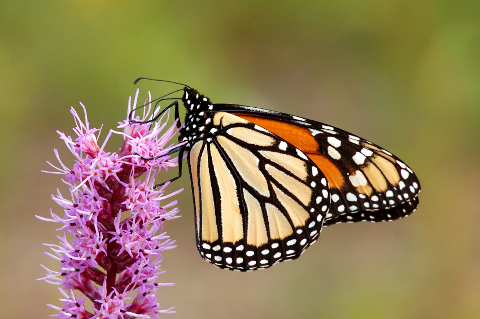
Effect of Ecological Restoration on Plant-Pollinator Networks in Urban Meadows
2024-04-02
Learn from Sisley Irwin as she shares her thesis findings on the impacts of urban green space restoration on wild bee communities! Hear her resulting recommendations for consideration in your next urban meadow restoration projects.
-
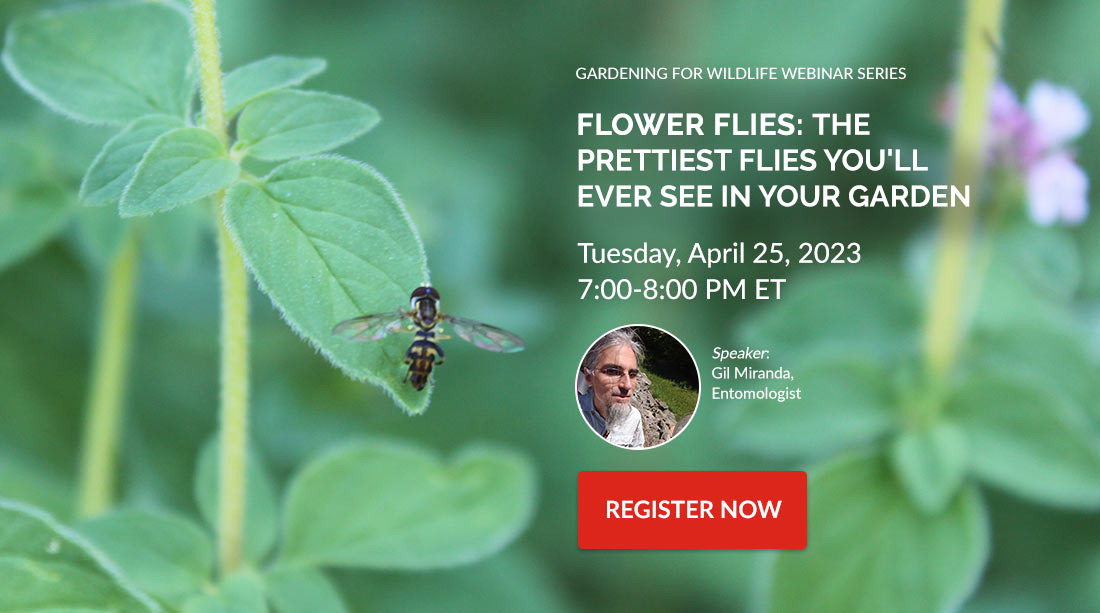
Flower Flies: The prettiest flies you'll ever see in your garden
2023-04-25
Join CWF Tuesday, April 25th at 7:00 p.m. ET to discover the wonderful world of flower flies with our guest entomologist, Gil Miranda. When talking about pollinators in your garden, you might immediately think of a bee going about its business to feed its colony. But often overlooked, if not mistaken for a bee, are the beautiful flower flies. These colorful and variably shaped flies are common flower visitors and can be as abundant and important as bees when it comes to pollinating your flowers. Please join us as Gil gives you some tips on how to spot and identify some common flower flies that might be around your gardens!
-

Managing Rural Roadsides for Pollinator Habitat
2020-03-10
Lanark County Lanark County is a rural municipality in eastern Ontario – to the west of Ottawa, Ontario – managing approximately 600 kilometres of county roads. Since 2016, Lanark County has followed an integrated vegetation management (IVM) plan to control invasive plants, especially wild parsnip, that encroach on pollinator habitat. In addition to controlling invasive plants, the goal of the IVM plan was also to re-establish desirable native vegetation along roadsides. To achieve these goals, Lanark County changed mowing practices, implemented integrated control measures to reduce impact to desirable vegetation (i.e. targeted spot spraying, hand control of invasives, reseeding disturbed sites, etc.), and improved hydroseeding practices with native seed to promote pollinators. Lanark County has been successful in reducing invasive plant infestations and improving pollinator habitat on almost 450 hectares of rural roads, and now has the opportunity to share some lessons learned with other municipalities about how they can help improve pollinator habitat along roadsides.
Lakes & Rivers

Learn More

- 0
- 1
- 2
- 3