



-
 Guides, Infographics & Posters
Guides, Infographics & Posters
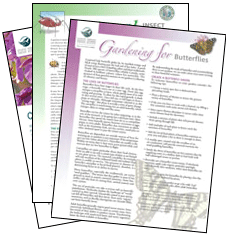
Take a closer look at the ways in which we’ll help you access the facts about wildlife. Whether it’s discovering the Hinterland Who’s Who animal fact sheets, or ordering our handy field guide to Canada’s prevalent shoreline species. This content is available to our CWF Supporters and online members. Please sign in to order your free materials.
More -
-
Wildlife E-cards
Wildlife E-cards
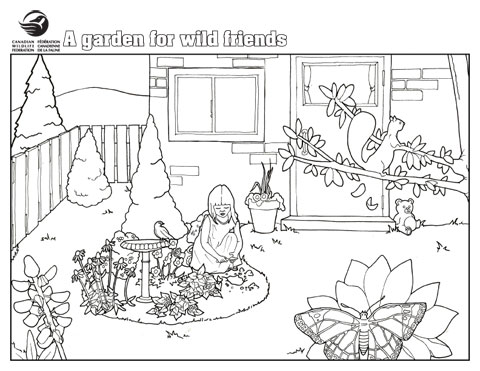
Send Dad a wildlife e-card! You cherish our wonderful wildlife and now you can send e-greetings that reflect your love of nature. We have developed a wide array of wildlife ecards for every occasion for you to share with your family and friends!
More -
 CWF Wallpapers
CWF Wallpapers
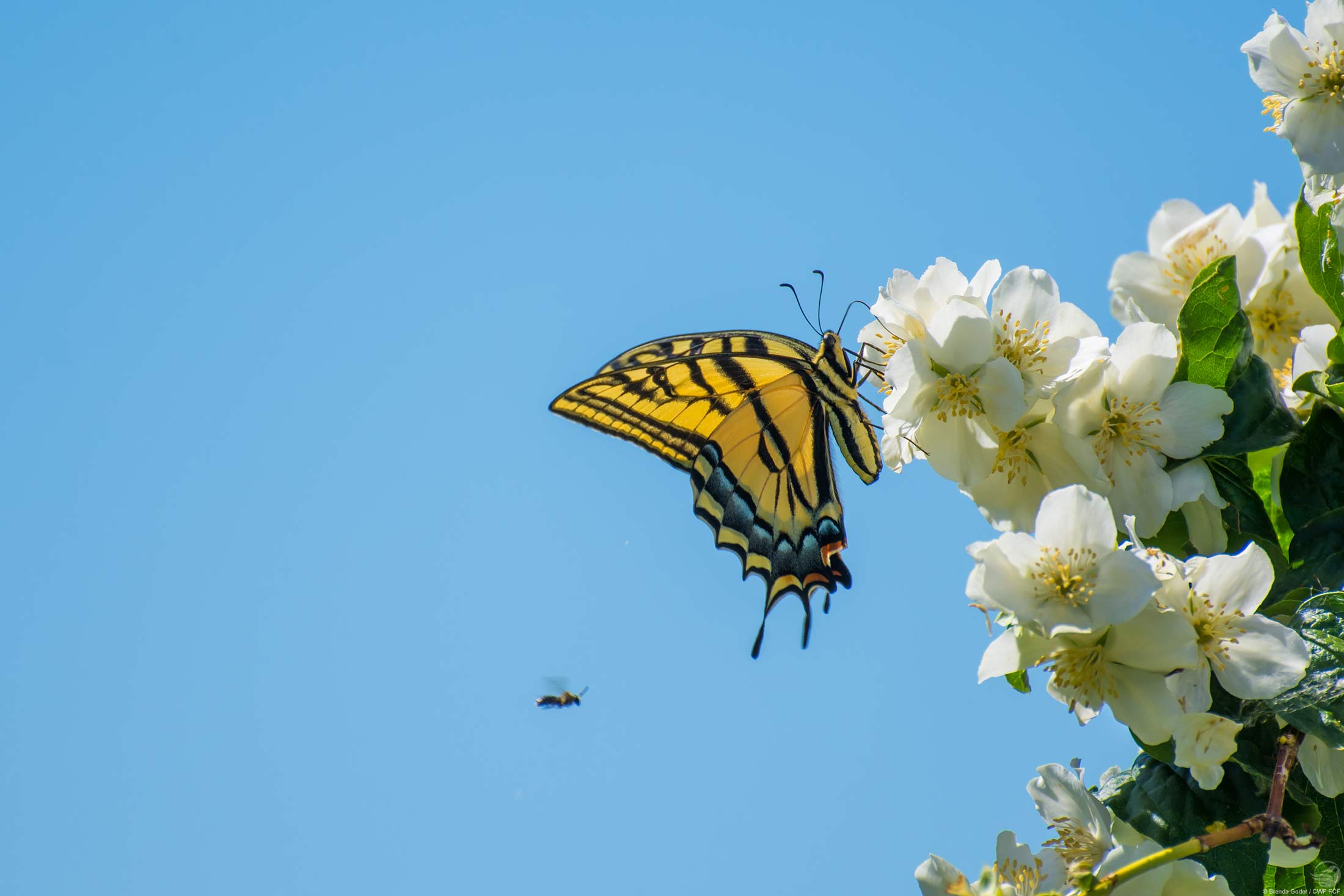
Your desktop is the perfect habitat for this wild wallpaper. Download CWF wallpapers!
More -
 WILD Webinars
WILD Webinars
With topics relating to conservation, wildlife and habitat, we provide a relevant online learning platform, typically for grades four to six but of benefit to any age.
More

From easy-to-use apps designed as tools for your citizen science projects to picturesque wallpaper images for your computer, CanadianWildlifeFederation.ca offers a variety of useful downloads for your PC and mobile devices.
-
Credit Card Verification Code
2025-12-05
The verification code is imprinted on credit cards to help merchants verify transactions when the actual card is not present, such as Internet purchases or donations. The merchant uses this number as part of the authorization process with the card issuer.
-
Copy of Your Connection with Wildlife
2026-07-02
Our mission is to conserve and inspire the conservation of Canada’s wildlife and habitats for the use and enjoyment of all. We believe this is important to you too.
-
-
-
Copy of Your Connection with Wildlife
2026-07-02
Our mission is to conserve and inspire the conservation of Canada’s wildlife and habitats for the use and enjoyment of all. We believe this is important to you too.
Coasts & Oceans



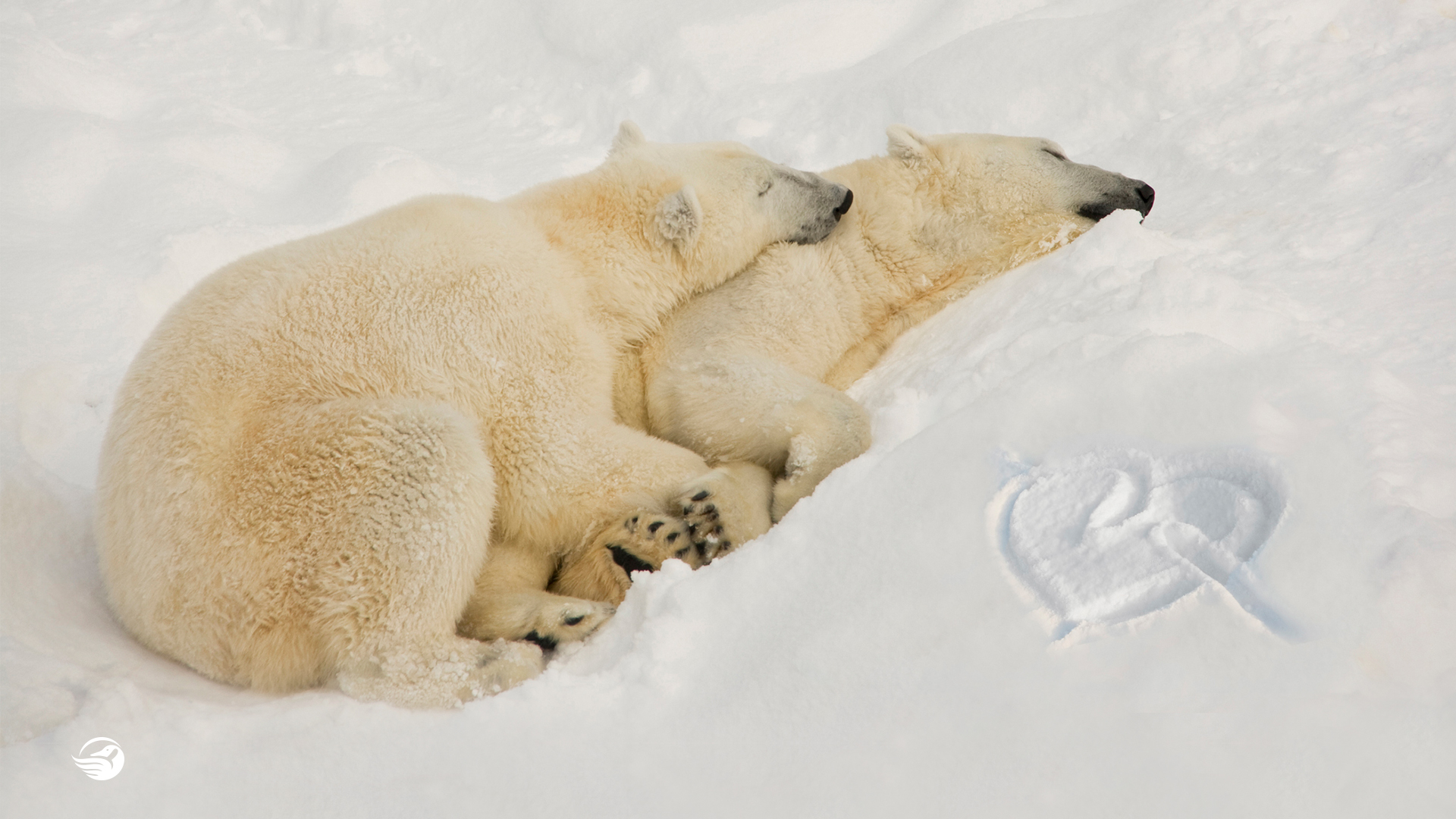
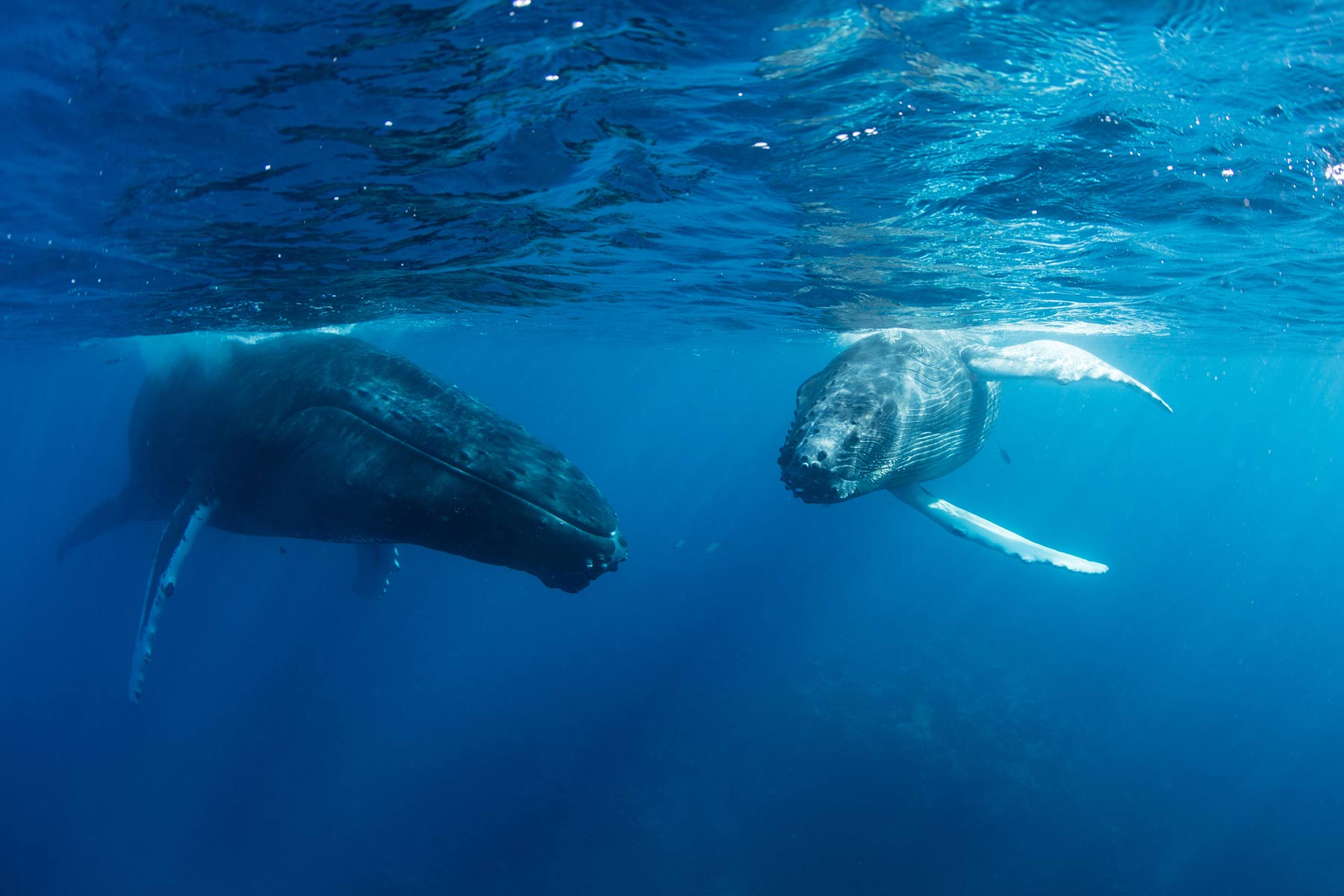
Connecting With Nature
-
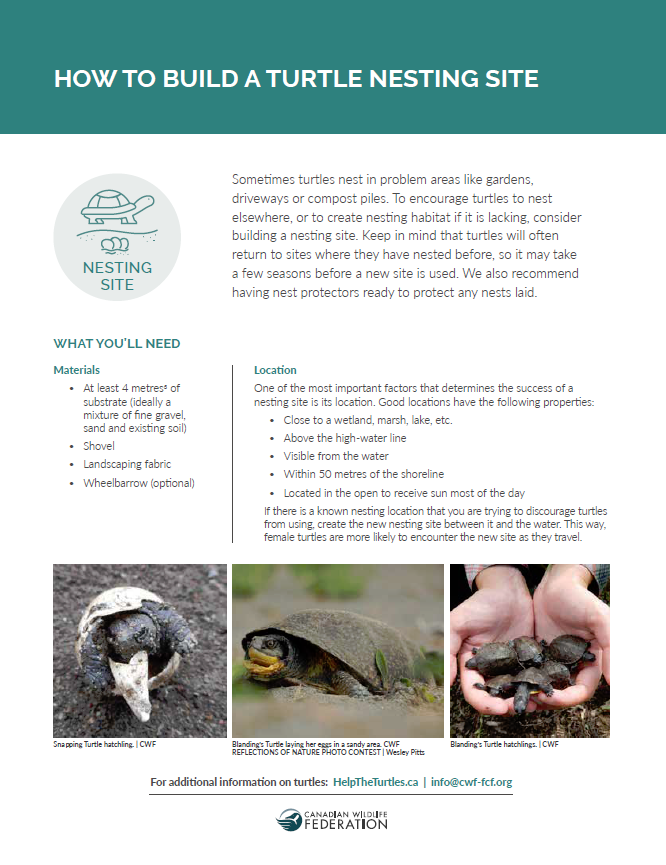
How To Build a Turtle Nesting Site
2026-07-03
Sometimes turtles nest in problem areas like gardens, driveways or compost piles. To encourage turtles to nest elsewhere, or to create nesting habitat if it is lacking, consider building a nesting site. Keep in mind that turtles will often return to sites where they have nested before, so it may take a few seasons before a new site is used. We also recommend having nest protectors ready to protect any nests laid.
-
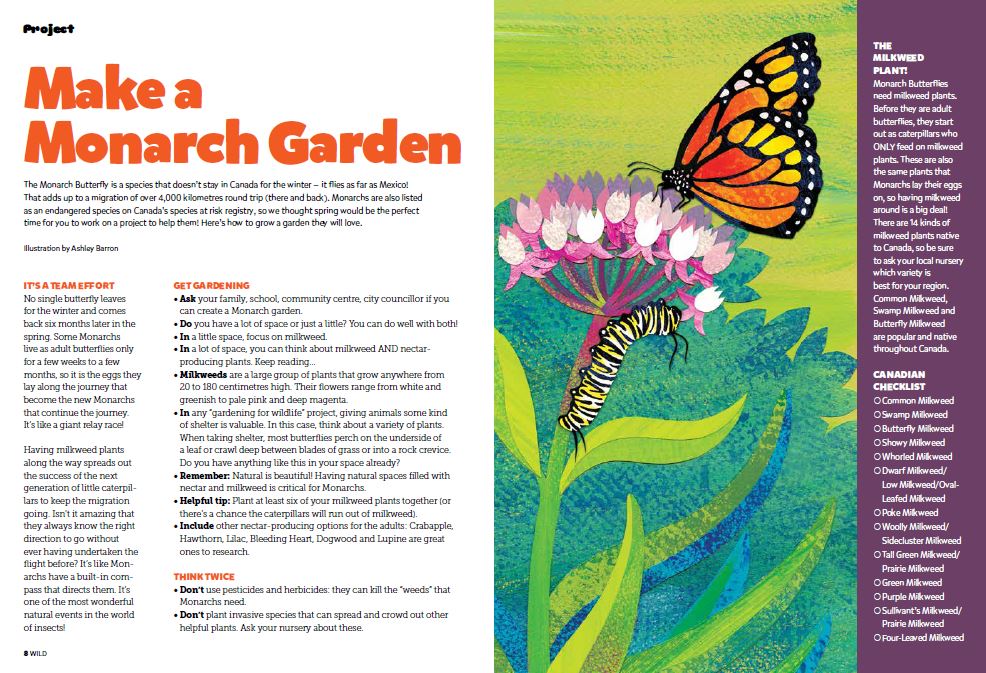
Make a Monarch Butterfly Garden
2020-04-01
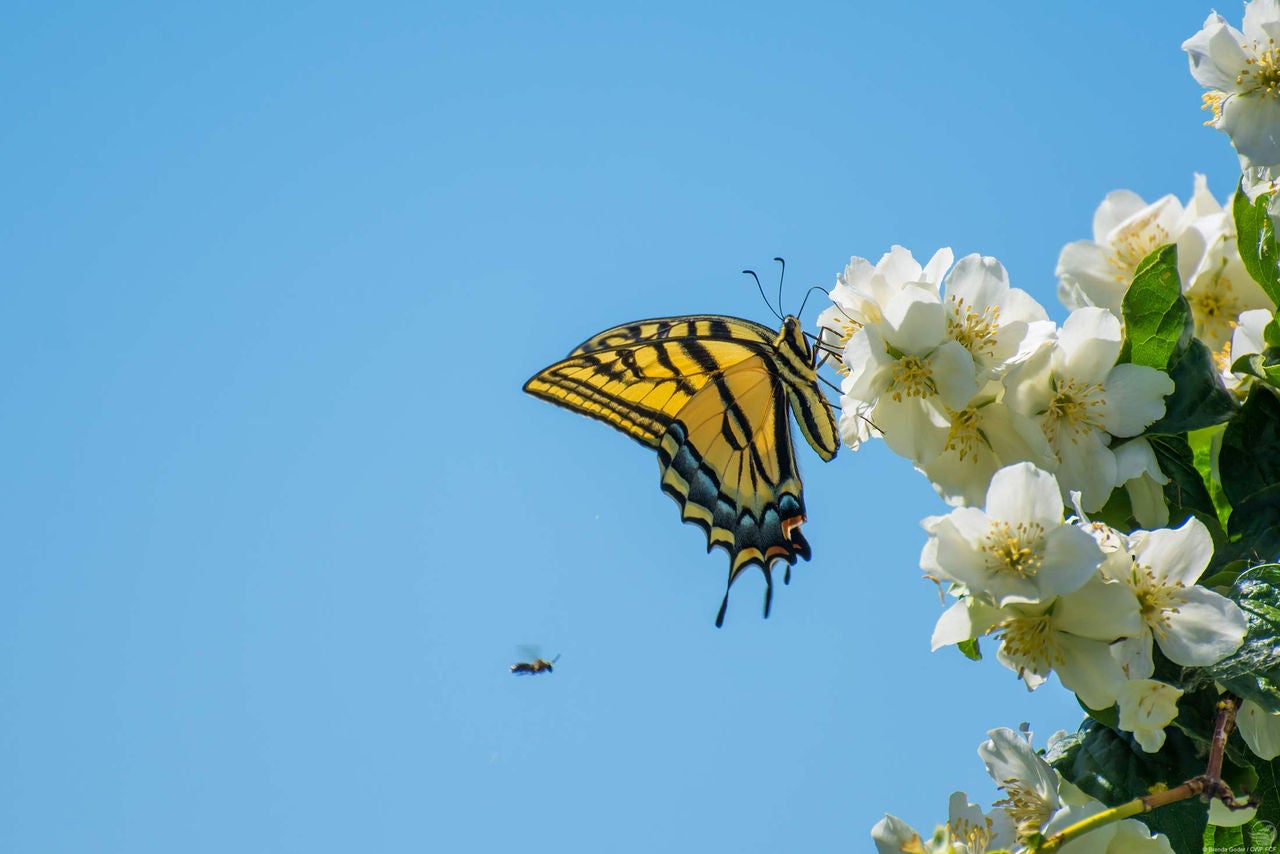
The Monarch Butterfly is a species that doesn’t stay in Canada for the winter — it flies as far as Mexico! That adds up to a migration of over 4,000 kilometres round trip (there and back). Monarchs are also listed as an endangered species on Canada’s species at risk registry, so we thought spring would be the perfect time for you to work on a project to help them! Here’s how to grow a garden they will love.
-
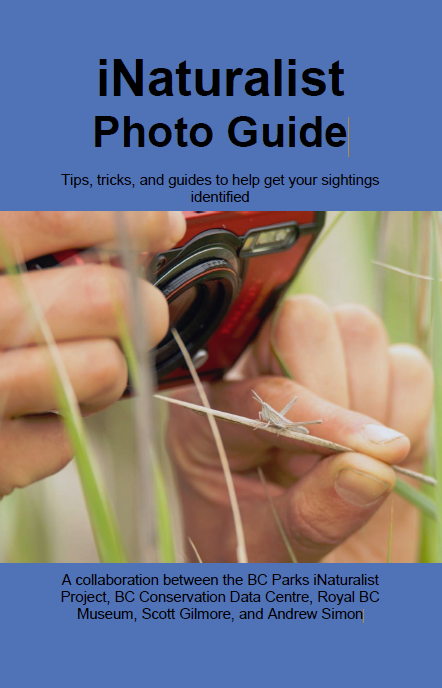
iNaturalist Guide to Taking Photos
2021-04-13
Tips, tricks, and guides to help get your sightings identified
-
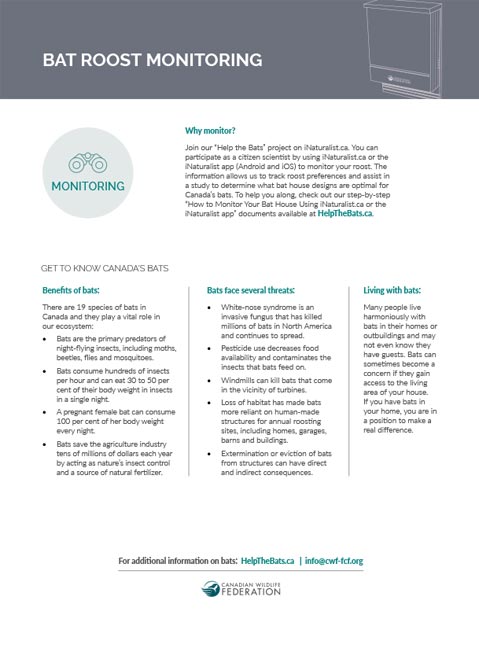
BAT ROOST MONITORING
2026-07-03
oin our “Help the Bats” project on iNaturalist.ca. You can participate as a citizen scientist by using iNaturalist.ca or the iNaturalist app (Android and iOS) to monitor your roost. The information allows us to track roost preferences and assist in a study to determine what bat house designs are optimal for Canada’s bats. To help you along, check out our step-by-step “How to Monitor Your Bat House Using iNaturalist.ca or the iNaturalist app” documents available at HelpTheBats.ca
-
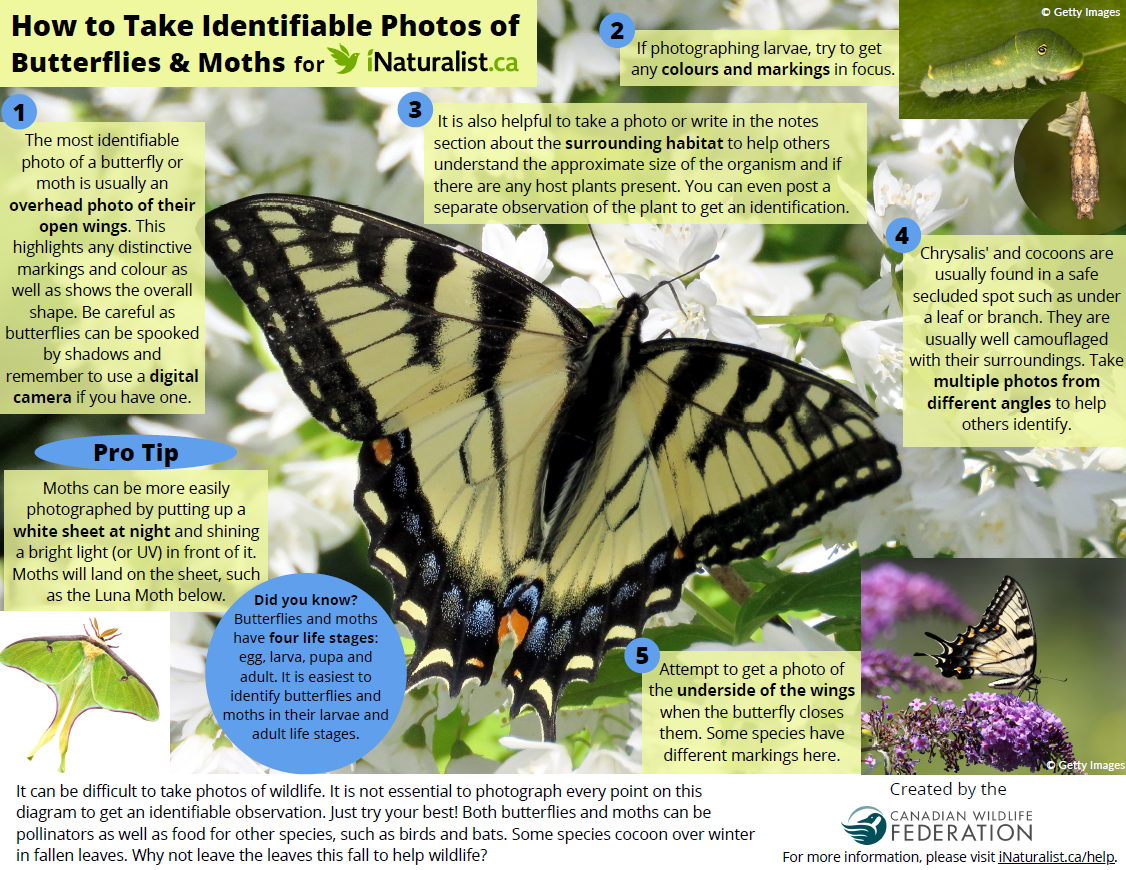
How to Take Identifiable Photos of Butterflies & Moths
2026-07-03
It can be difficult to take photos of wildlife. It is not essential to photograph every point on this diagram to get an identifiable observation. Just try your best! Both butterflies and moths can be pollinators as well as food for other species, such as birds and bats. Some species cocoon over winter in fallen leaves. Why not leave the leaves this fall to help wildlife?
Education & Leadership
Endangered Species & Biodiversity
-
Make a Monarch Butterfly Garden
2020-04-01
The Monarch Butterfly is a species that doesn’t stay in Canada for the winter — it flies as far as Mexico! That adds up to a migration of over 4,000 kilometres round trip (there and back). Monarchs are also listed as an endangered species on Canada’s species at risk registry, so we thought spring would be the perfect time for you to work on a project to help them! Here’s how to grow a garden they will love.
-
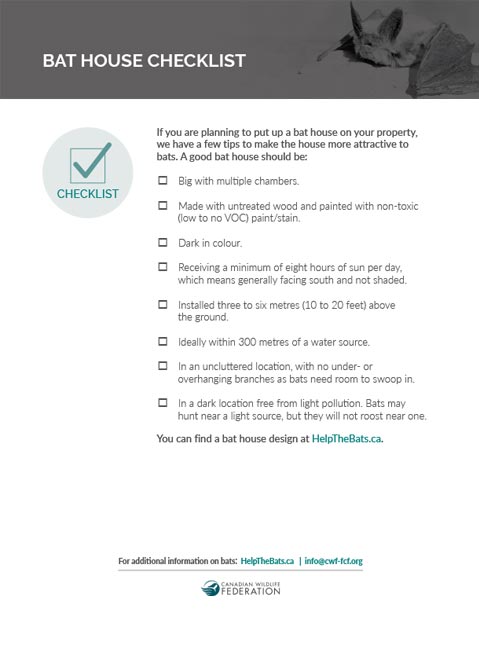
BAT ROOST MONITORING
2026-07-03
oin our “Help the Bats” project on iNaturalist.ca. You can participate as a citizen scientist by using iNaturalist.ca or the iNaturalist app (Android and iOS) to monitor your roost. The information allows us to track roost preferences and assist in a study to determine what bat house designs are optimal for Canada’s bats. To help you along, check out our step-by-step “How to Monitor Your Bat House Using iNaturalist.ca or the iNaturalist app” documents available at HelpTheBats.ca
-
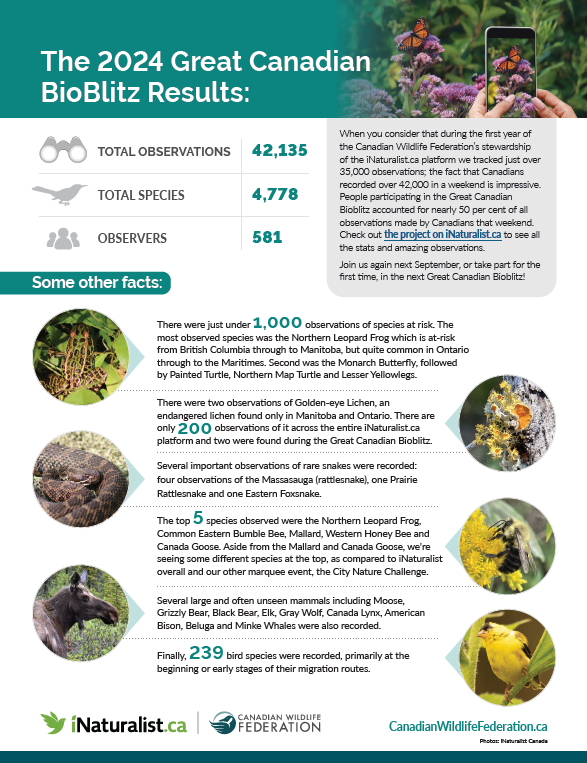
The 2024 Great Canadian Bioblitz Results
2024-10-01
-
-
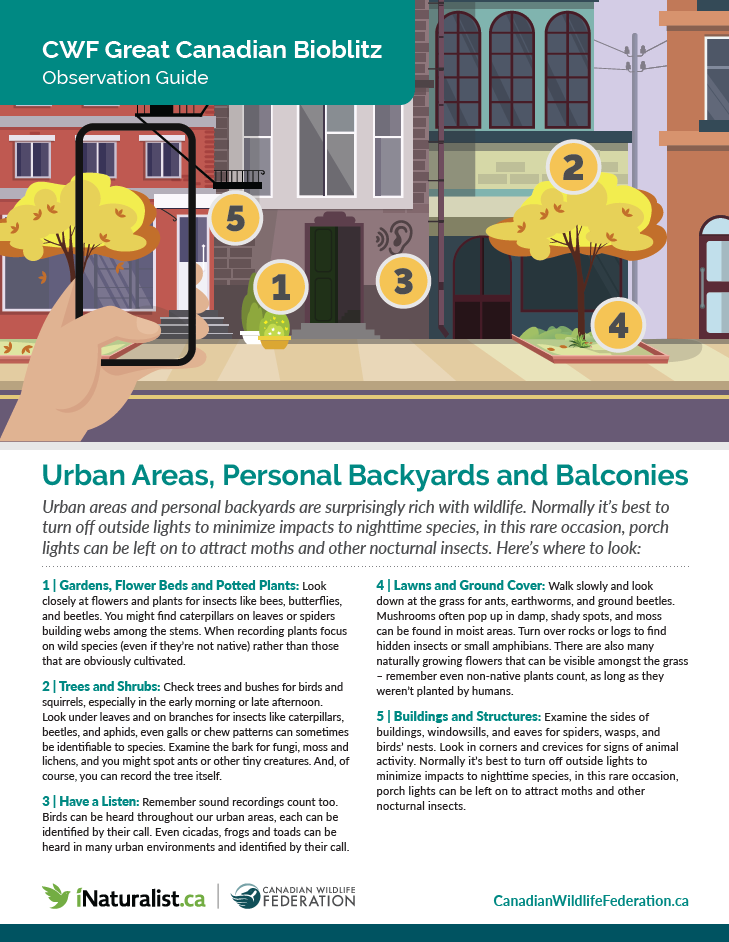
Great Canadian Bioblitz Observation Guide
2026-07-03
Forests & Fields
-
Gardening for Butterflies Handout
2026-07-03
Nearly 300 species of butterflies inhabit Canada, some cloaked in brilliant colours, others less noticeable. The presence of these graceful creatures in our gardens is a blessing of vibrancy and beauty.
-
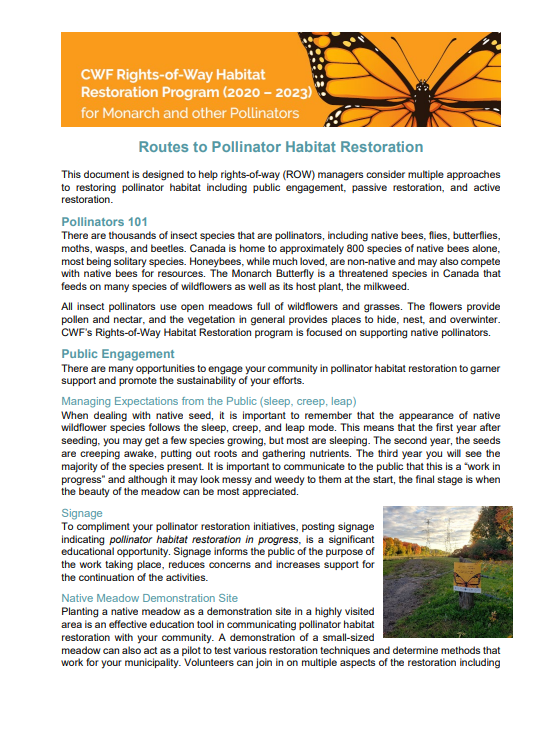
Routes to Pollinator Habitat Restoration
2026-07-03
This document is designed to help rights-of-way (ROW) managers consider multiple approaches to restoring pollinator habitat including public engagement, passive restoration, and active restoration
-
Native Flowers of the St. Lawrence Lowlands Guide
2026-07-03
A seasonal guide to native flowering plants that provide important resources for pollinators of the St. Lawrence Lowlands
-
Make a Monarch Butterfly Garden
2020-04-01
The Monarch Butterfly is a species that doesn’t stay in Canada for the winter — it flies as far as Mexico! That adds up to a migration of over 4,000 kilometres round trip (there and back). Monarchs are also listed as an endangered species on Canada’s species at risk registry, so we thought spring would be the perfect time for you to work on a project to help them! Here’s how to grow a garden they will love.
-
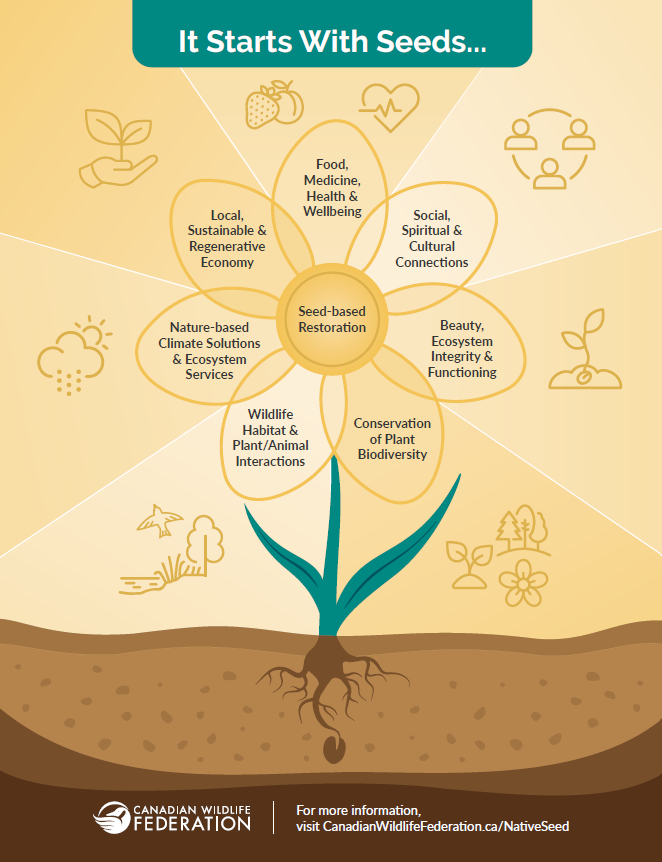
Native Seed Infographic
2026-07-03
Lakes & Rivers
-
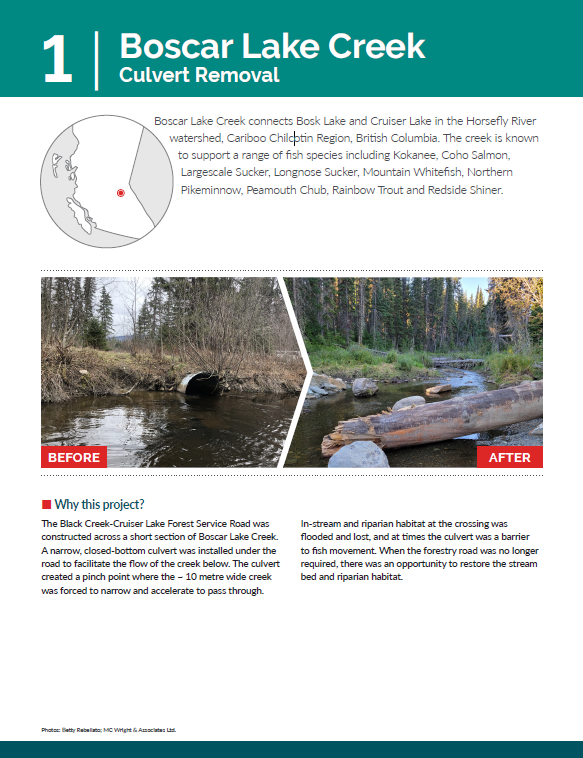
Boscar Lake Creek Culvert Removal
2023-11-16
Boscar Lake Creek connects Bosk Lake and Cruiser Lake in the Horsefly River watershed, Cariboo Chilcotin Region, British Columbia. The creek is known to support a range of fish species including Kokanee, Coho Salmon, Largescale Sucker, Longnose Sucker, Mountain Whitefish, Northern Pikeminnow, Peamouth Chub, Rainbow Trout and Redside Shiner.
-
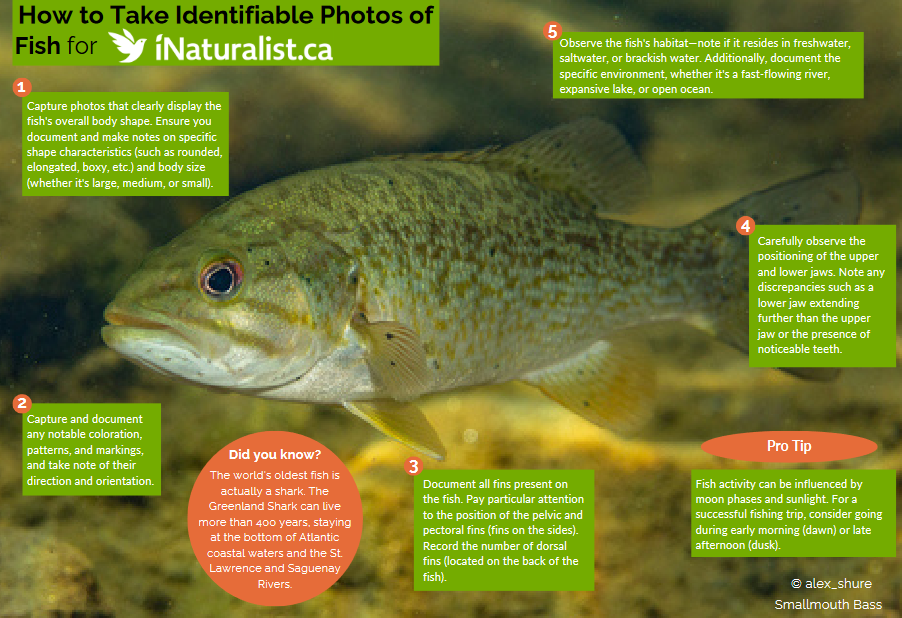
How to Take Identifiable Photos of Fish
2026-07-03
Taking photos of wildlife can be challenging. It is not essential to photograph every point on this diagram to get an identifiable observation. Just try your best! When photographing fish, minimize air exposure by taking an underwater photo whenever possible, allowing them to breathe freely. If taking a picture outside the water, keep the fish near the water and lift it briefly for the photo, limiting air exposure to 10 seconds or less. Be sure to follow local fishing guidelines and regulations.
-
-
-

Learn More

- 0
- 1
- 2
- 3