



-
 Guides, Infographics & Posters
Guides, Infographics & Posters
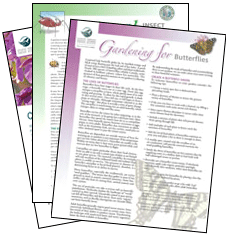
Take a closer look at the ways in which we’ll help you access the facts about wildlife. Whether it’s discovering the Hinterland Who’s Who animal fact sheets, or ordering our handy field guide to Canada’s prevalent shoreline species. This content is available to our CWF Supporters and online members. Please sign in to order your free materials.
More -
-
Wildlife E-cards
Wildlife E-cards
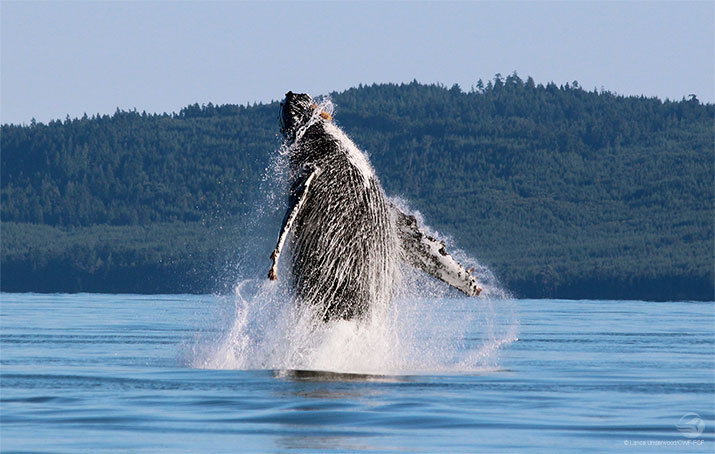
Send Dad a wildlife e-card! You cherish our wonderful wildlife and now you can send e-greetings that reflect your love of nature. We have developed a wide array of wildlife ecards for every occasion for you to share with your family and friends!
More -
 CWF Wallpapers
CWF Wallpapers
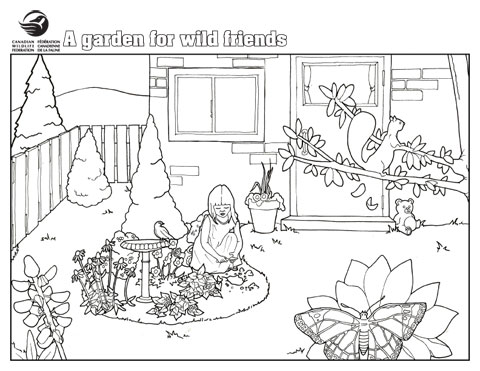
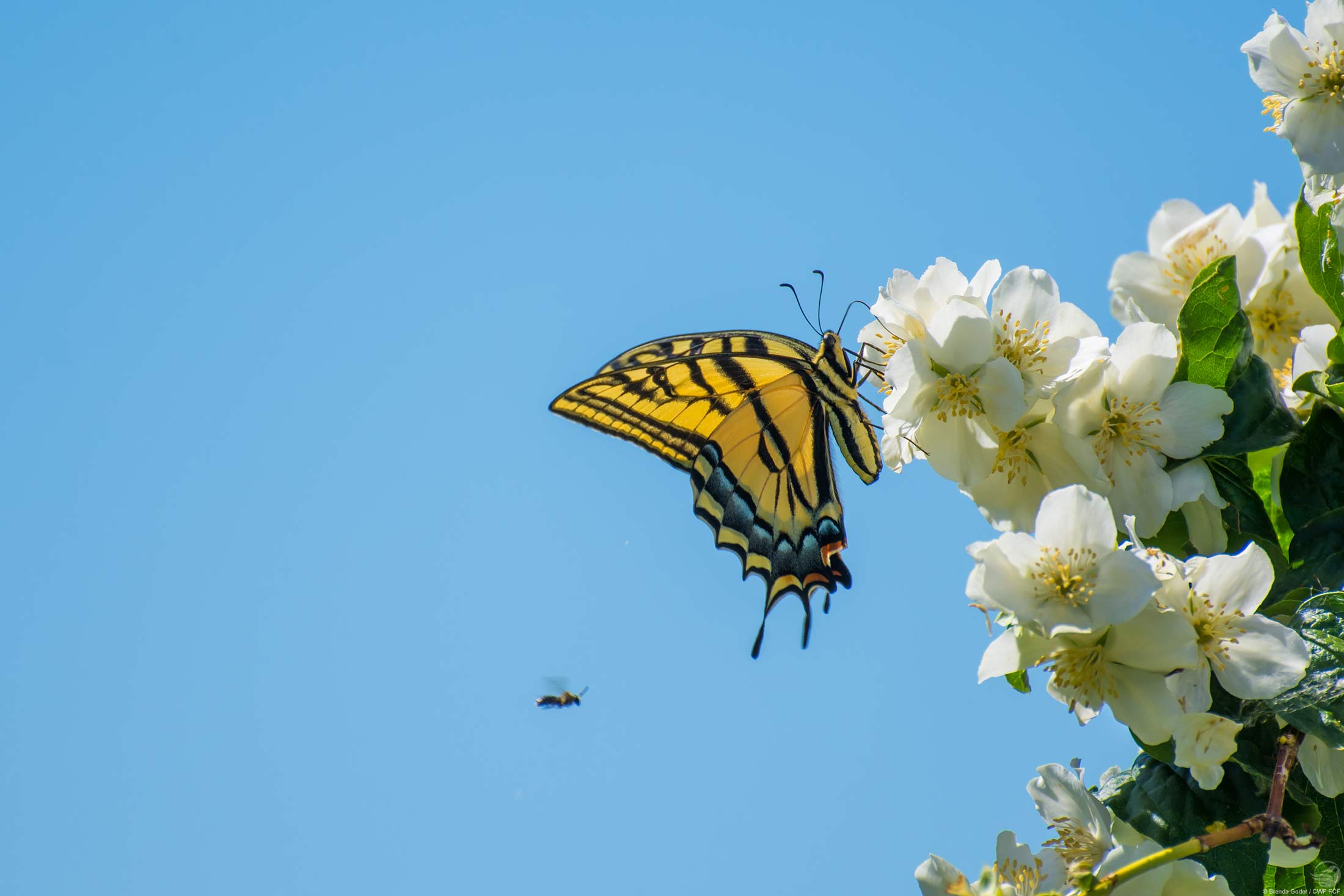
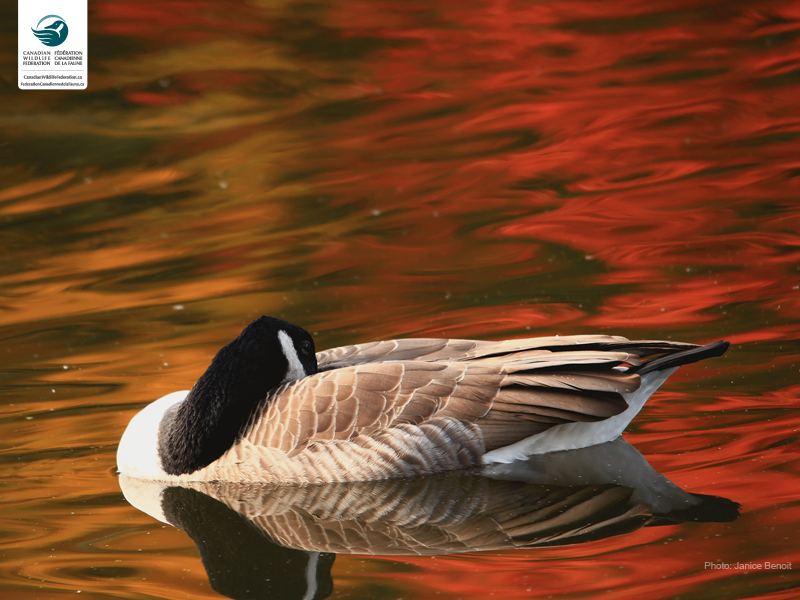
Your desktop is the perfect habitat for this wild wallpaper. Download CWF wallpapers!
More -
 WILD Webinars
WILD Webinars
With topics relating to conservation, wildlife and habitat, we provide a relevant online learning platform, typically for grades four to six but of benefit to any age.
More

From easy-to-use apps designed as tools for your citizen science projects to picturesque wallpaper images for your computer, CanadianWildlifeFederation.ca offers a variety of useful downloads for your PC and mobile devices.
-
-
-
-
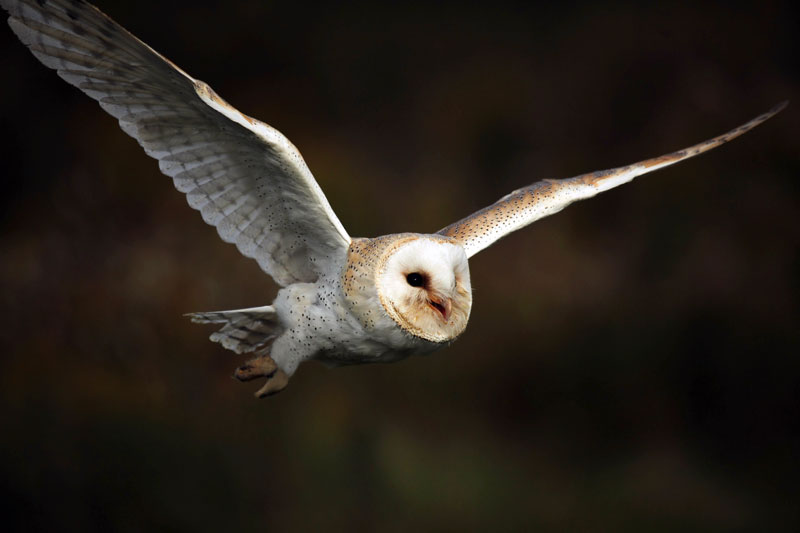
Copy of Sign up to CWF Online
2026-07-02
CWF urges Canadians to make a connection with wildlife in their everyday lives.
-
Sign up to CWF Online
2026-07-02
CWF urges Canadians to make a connection with wildlife in their everyday lives.
Coasts & Oceans

Connecting With Nature
-
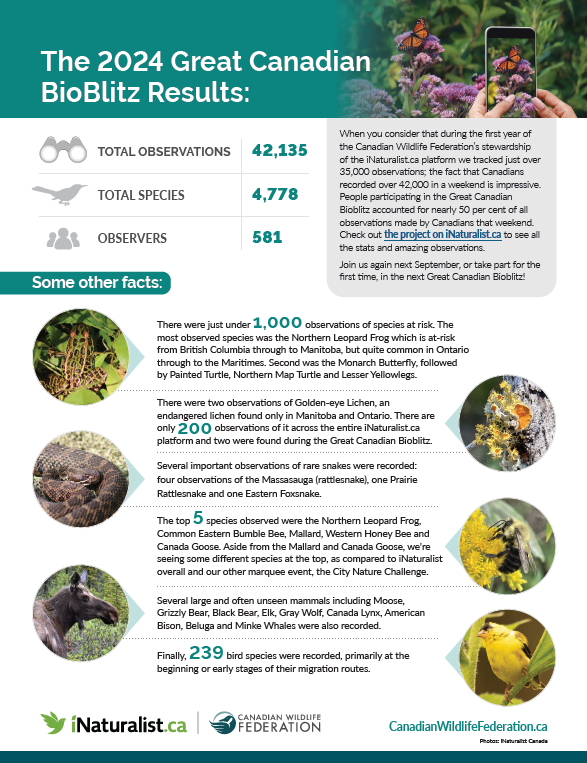
The 2024 Great Canadian Bioblitz Results
2024-10-01
-
-
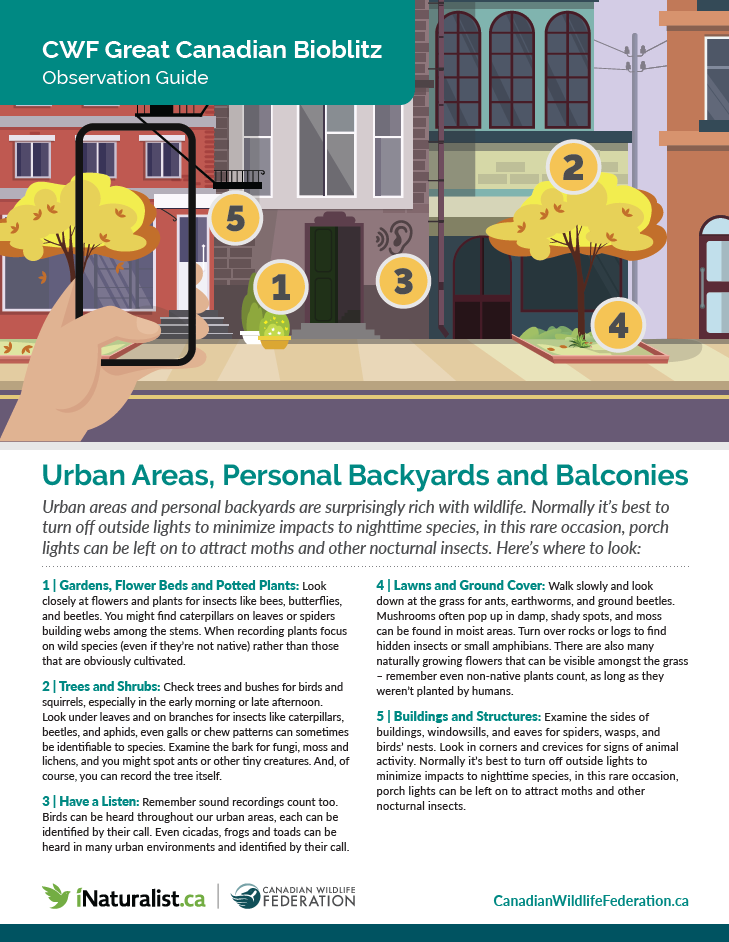
Great Canadian Bioblitz Observation Guide
2026-07-03
-
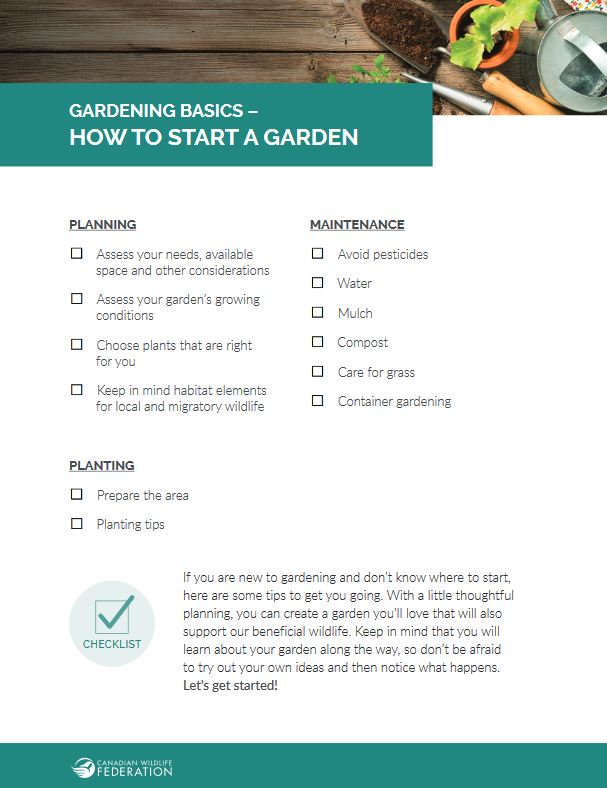
-
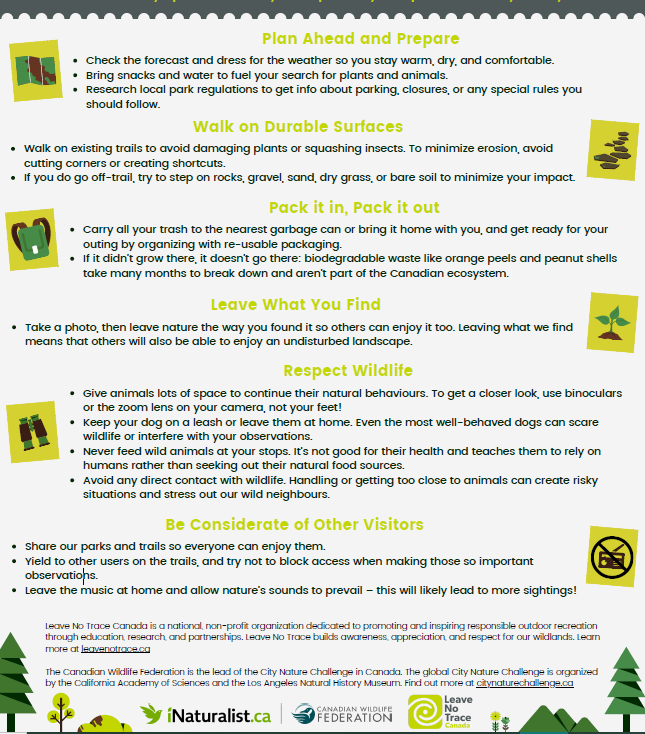
Leave No Trace
2026-07-03
Education & Leadership
Endangered Species & Biodiversity
-

-

-
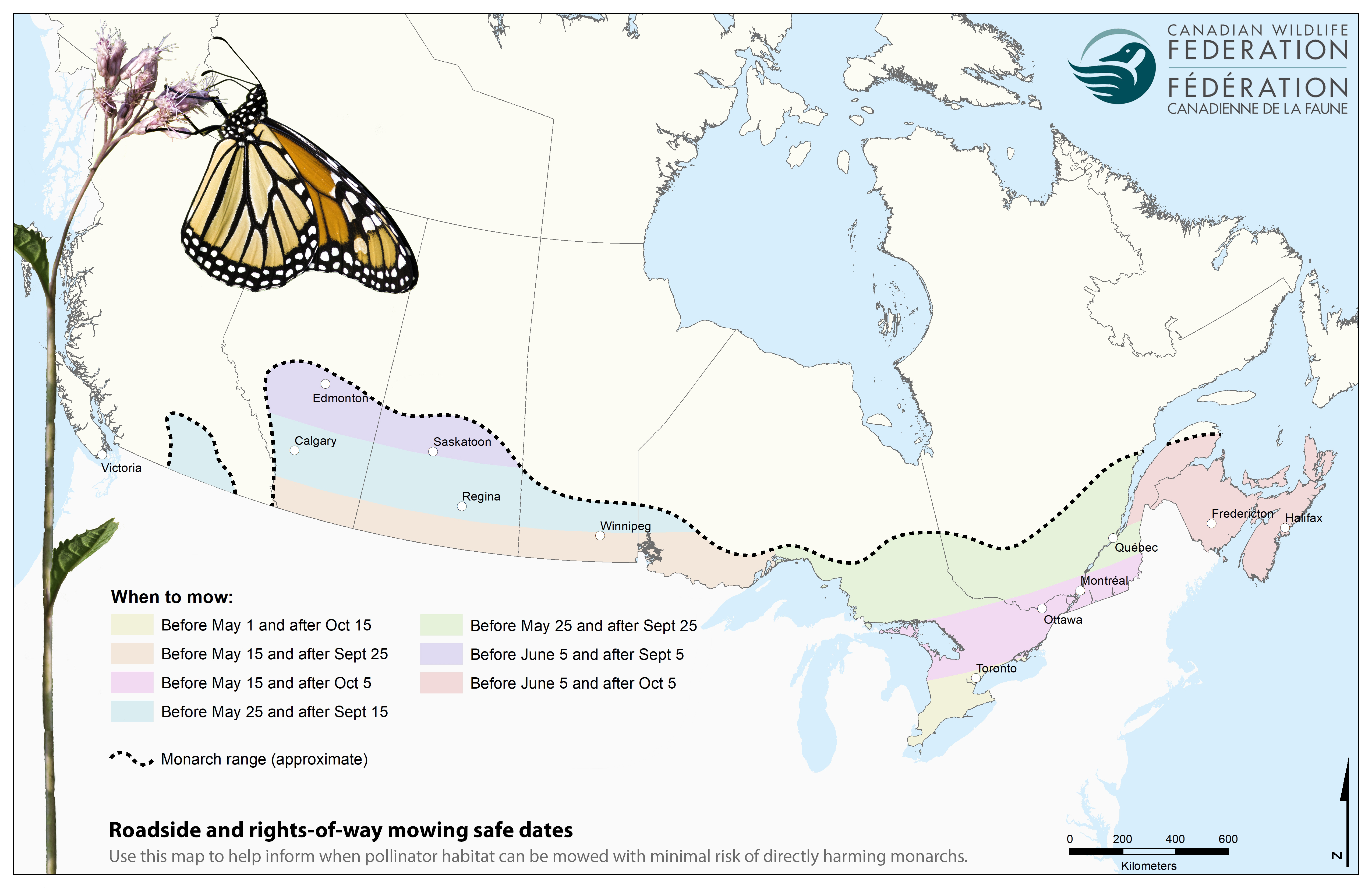
Spring Monarch Mowing Map
2022-05-01
-
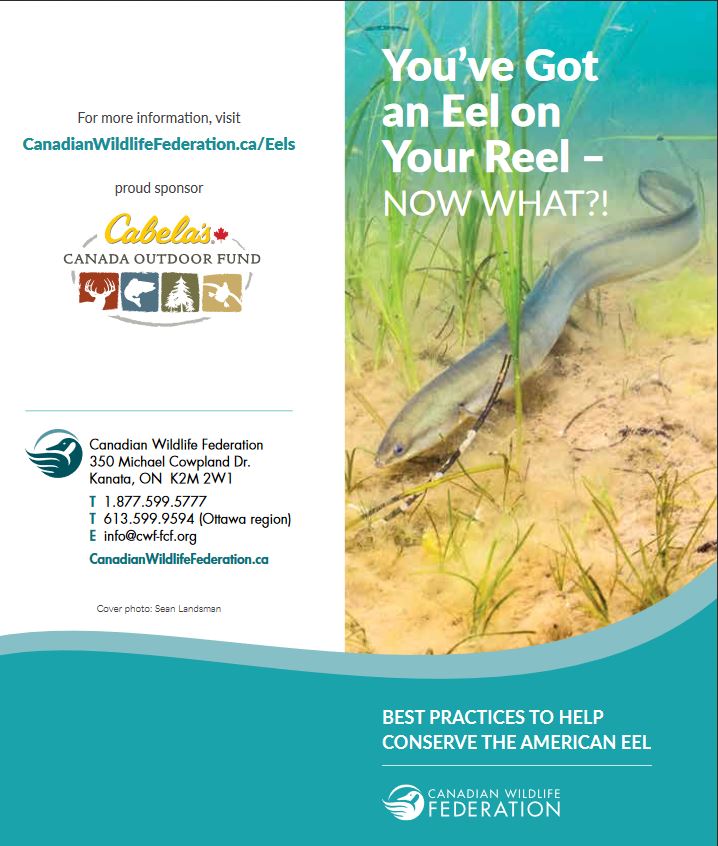
BEST PRACTICES TO HELP CONSERVE THE AMERICAN EEL
2019-05-31
You’ve Got an Eel on Your Reel – NOW WHAT?!
-
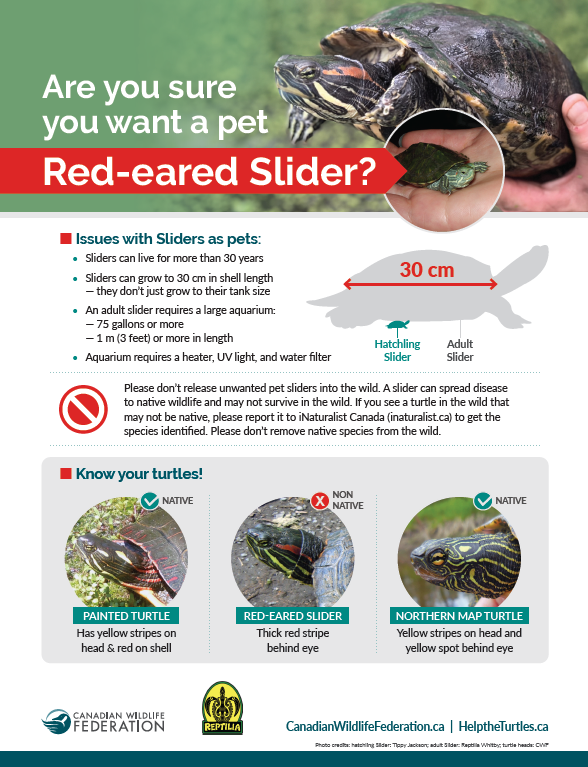
Are you sure you want a pet Red-eared Slider?
2026-07-03
Please don’t release unwanted pet sliders into the wild. A slider can spread disease to native wildlife and may not survive in the wild. If you see a turtle in the wild that may not be native, please report it to iNaturalist Canada (inaturalist.ca) to get the species identified. Please don’t remove native species from the wild.
Forests & Fields
-
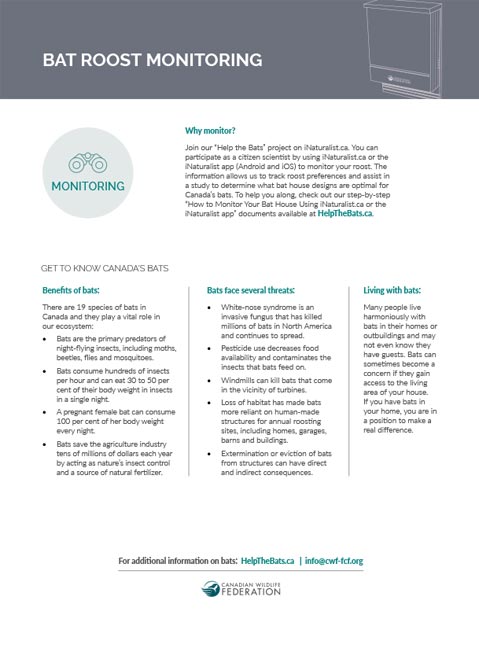
BAT ROOST MONITORING
2026-07-03
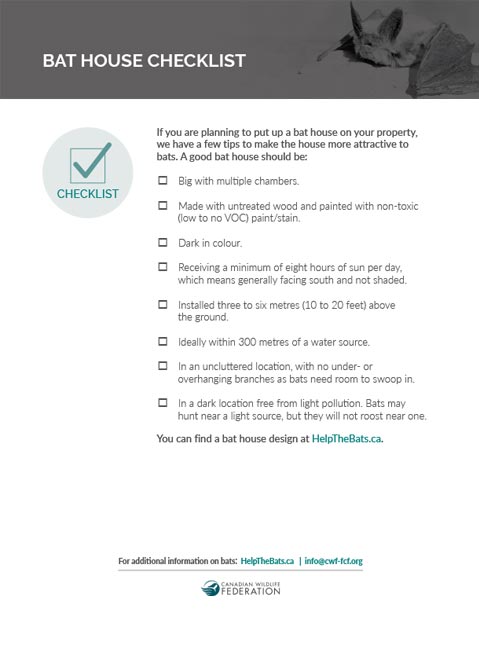
oin our “Help the Bats” project on iNaturalist.ca. You can participate as a citizen scientist by using iNaturalist.ca or the iNaturalist app (Android and iOS) to monitor your roost. The information allows us to track roost preferences and assist in a study to determine what bat house designs are optimal for Canada’s bats. To help you along, check out our step-by-step “How to Monitor Your Bat House Using iNaturalist.ca or the iNaturalist app” documents available at HelpTheBats.ca
-
-
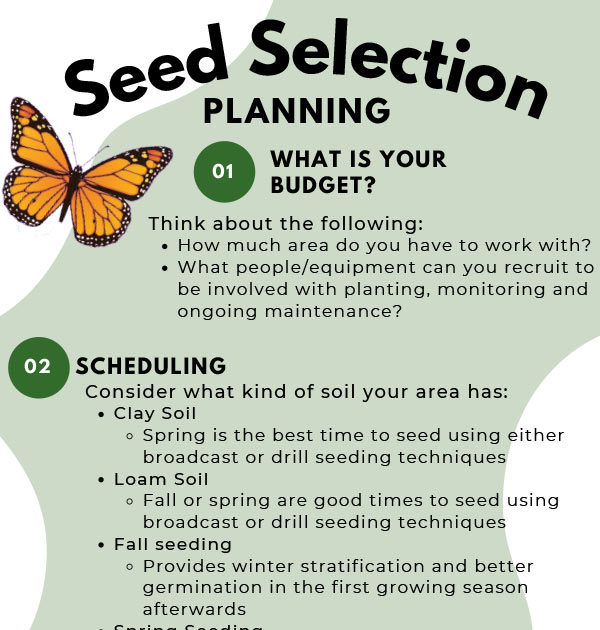
Native Seed Selection
2026-07-03
-
-
Wild About Snakes Poster
2026-07-03
Snakes are a very useful addition to any garden. Red-bellied and garter snakes are major predators of slugs. Snakes also prey on grubs, mice, rats, snails, leeches, centipedes and other invertebrates. In this way they play an important role in keeping pest populations under control.Most of Canada’s snakes are non-aggressive and shy. They will avoid encounters with humans whenever possible. However, like most wild creatures, snakes may bite in self-defence if handled, so it is best to leave them in peace.
Lakes & Rivers


Learn More

- 0
- 1
- 2
- 3