Welcome, 

Downloads

  • Guides, Infographics & Posters

    Guides, Infographics & Posters

    Take a closer look at the ways in which we’ll help you access the facts about wildlife. Whether it’s discovering the Hinterland Who’s Who animal fact sheets, or ordering our handy field guide to Canada’s prevalent shoreline species. This content is available to our CWF Supporters and online members. Please sign in to order your free materials.

    More
  • Colouring Pages

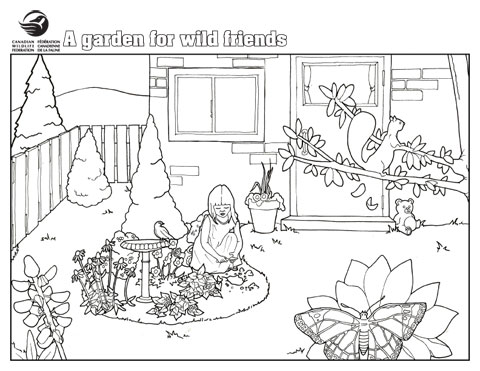
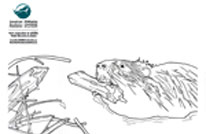
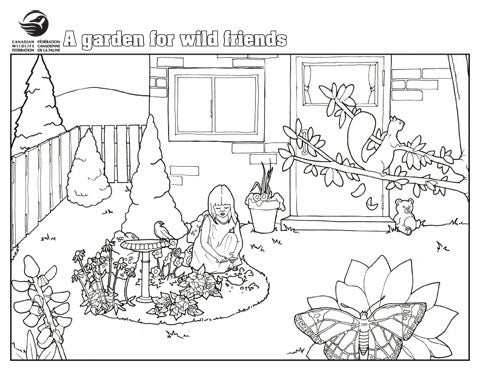
    Colouring Pages

    More
  • Wildlife E-cards

    Wildlife E-cards

    Send Dad a wildlife e-card! You cherish our wonderful wildlife and now you can send e-greetings that reflect your love of nature.  We have developed a wide array of wildlife ecards for every occasion for you to share with your family and friends!

    More
  • Podcasts

    Podcasts

    Listen to podcasts on all sorts of topics relating to wildlife-friendly gardening, from its benefits, including children, soil health and more.

    More
  • CWF Wallpapers

    CWF Wallpapers

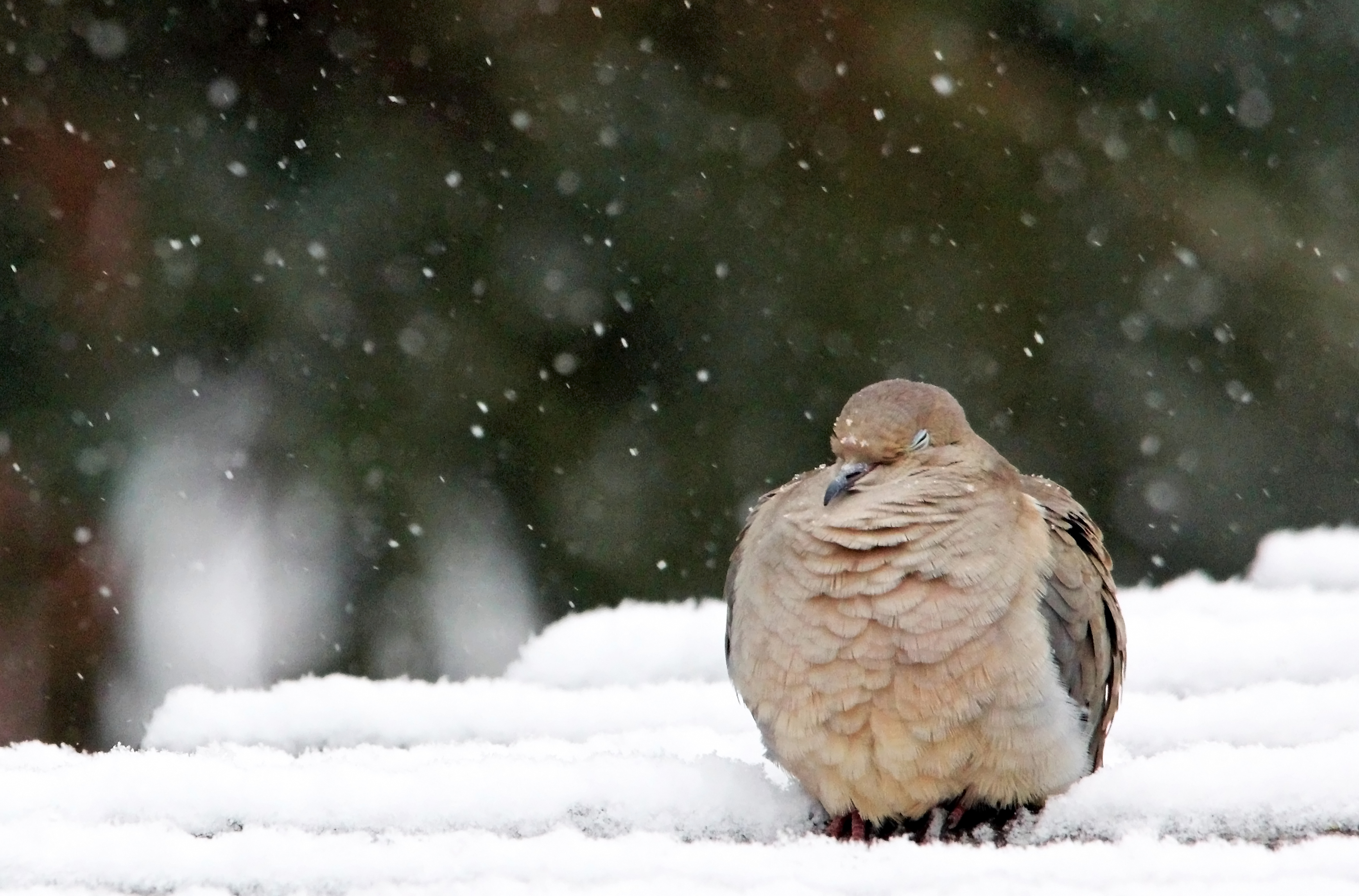
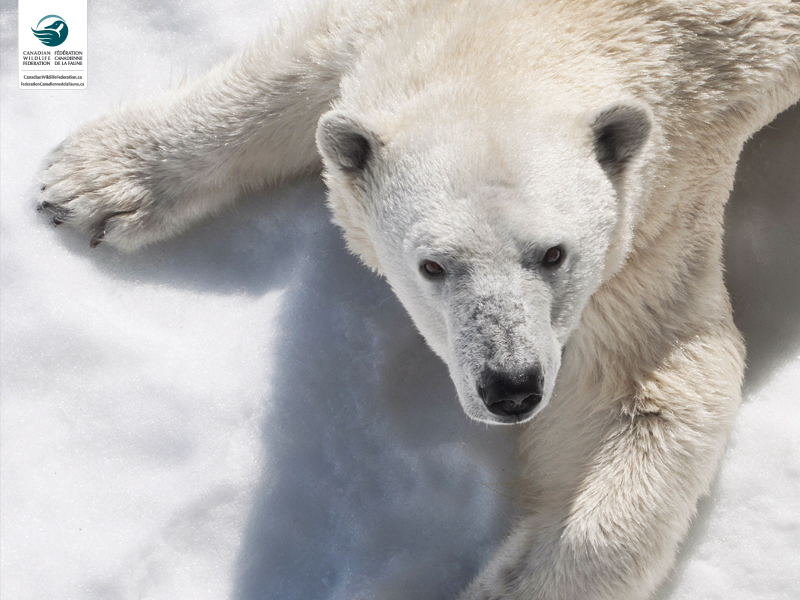
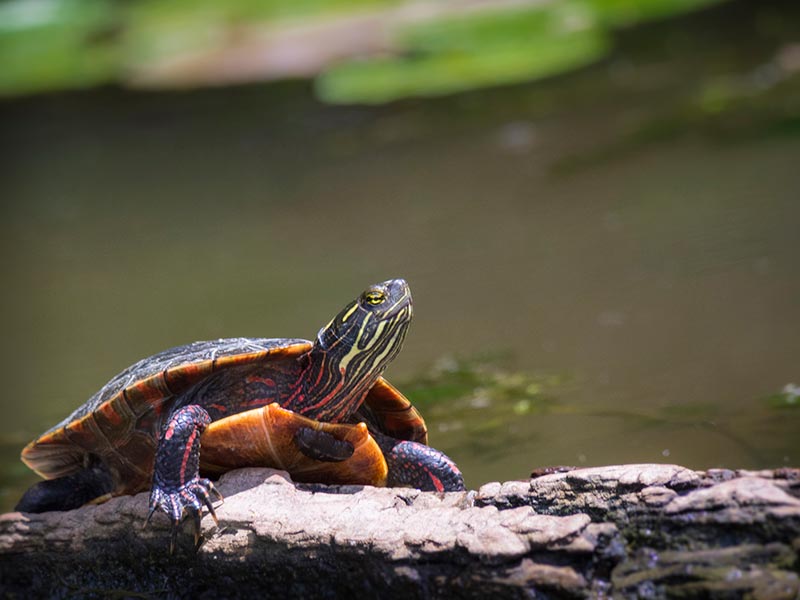
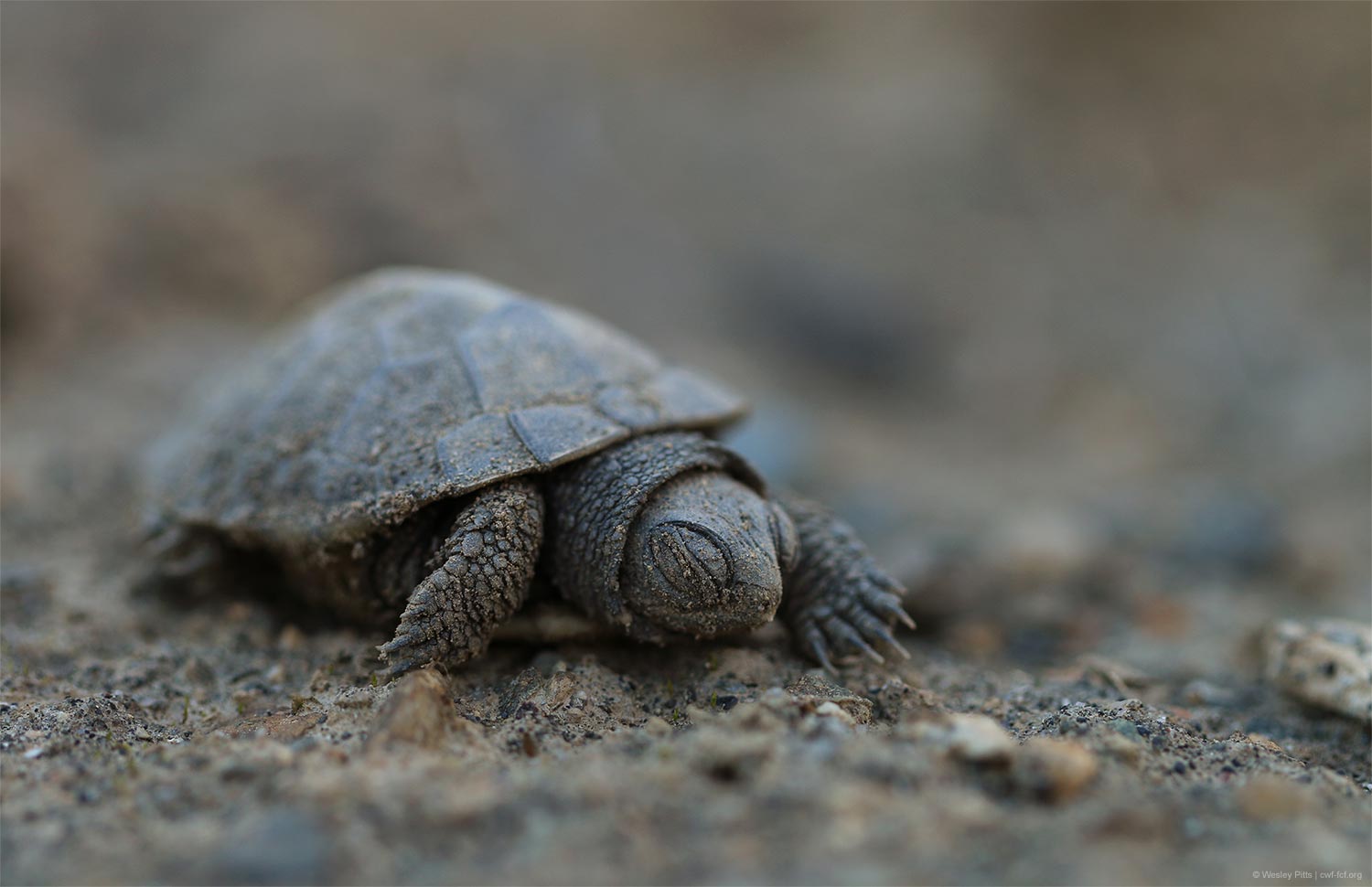
    Your desktop is the perfect habitat for this wild wallpaper. Download CWF wallpapers!

    More
  • WILD Webinars

    WILD Webinars

    With topics relating to conservation, wildlife and habitat, we provide a relevant online learning platform, typically for grades four to six but of benefit to any age.

    More

From easy-to-use apps designed as tools for your citizen science projects to picturesque wallpaper images for your computer, CanadianWildlifeFederation.ca offers a variety of useful downloads for your PC and mobile devices.

Coasts & Oceans

  • A Deep Dive Into the Lives of North Atlantic Right Whales

    2020-12-09

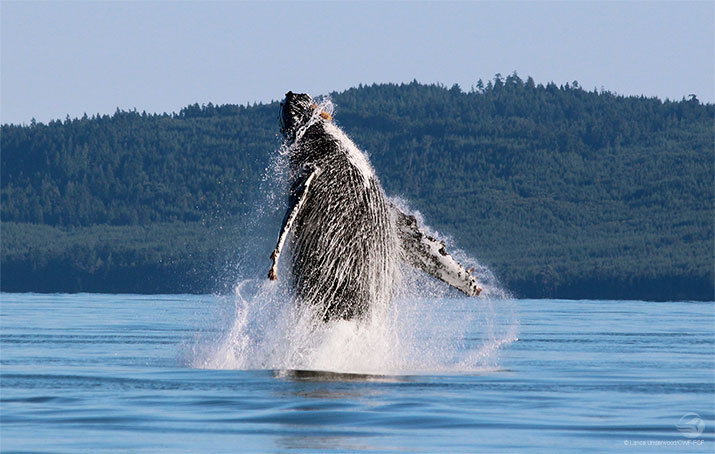
    Date: Wednesday, December 9, 2020 at 12:00 p.m. EST | 1:00 p.m. AST Speakers: Dr. Sean Brillant, senior conservation biologist at CWF; Dr. Kim Davies, adjunct professor (FGS), oceanography Join the Ocean Tracking Network (OTN) and the Canadian Wildlife Federation (CWF) for the third live webinar in our North Atlantic right whale series. This time, you’re invited to a conversation and Q&A with Dr. Sean Brillant, senior conservation biologist at CWF, and Dr. Kim Davies, adjunct professor (FGS), oceanography, co-PI MEOPAR-WHaLE.

Connecting With Nature

  • Wild About Butterflies Poster

    2026-07-02

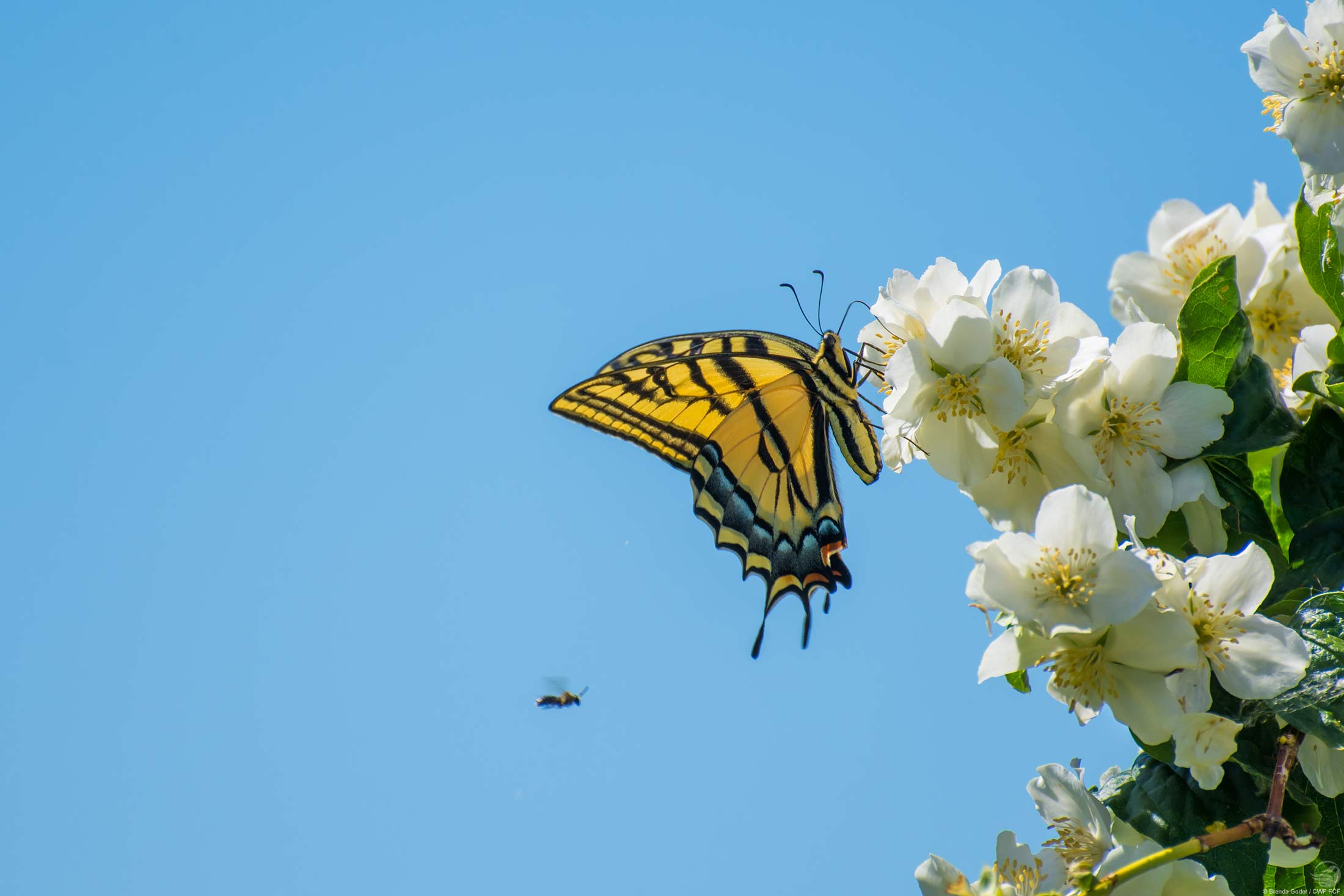
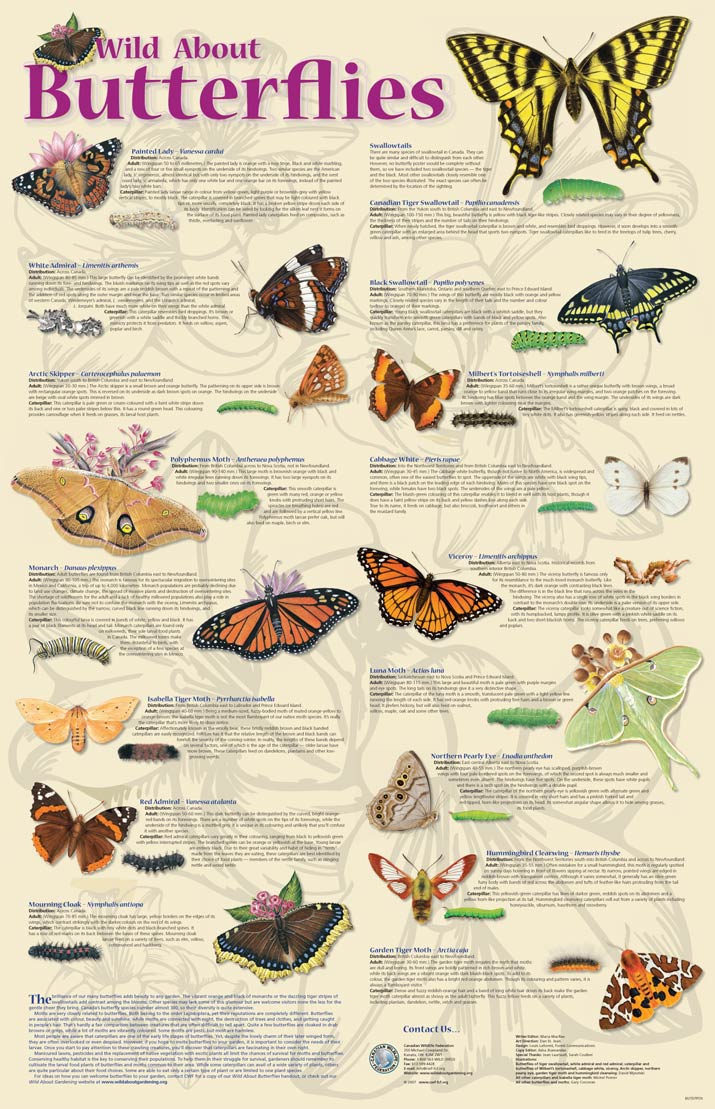
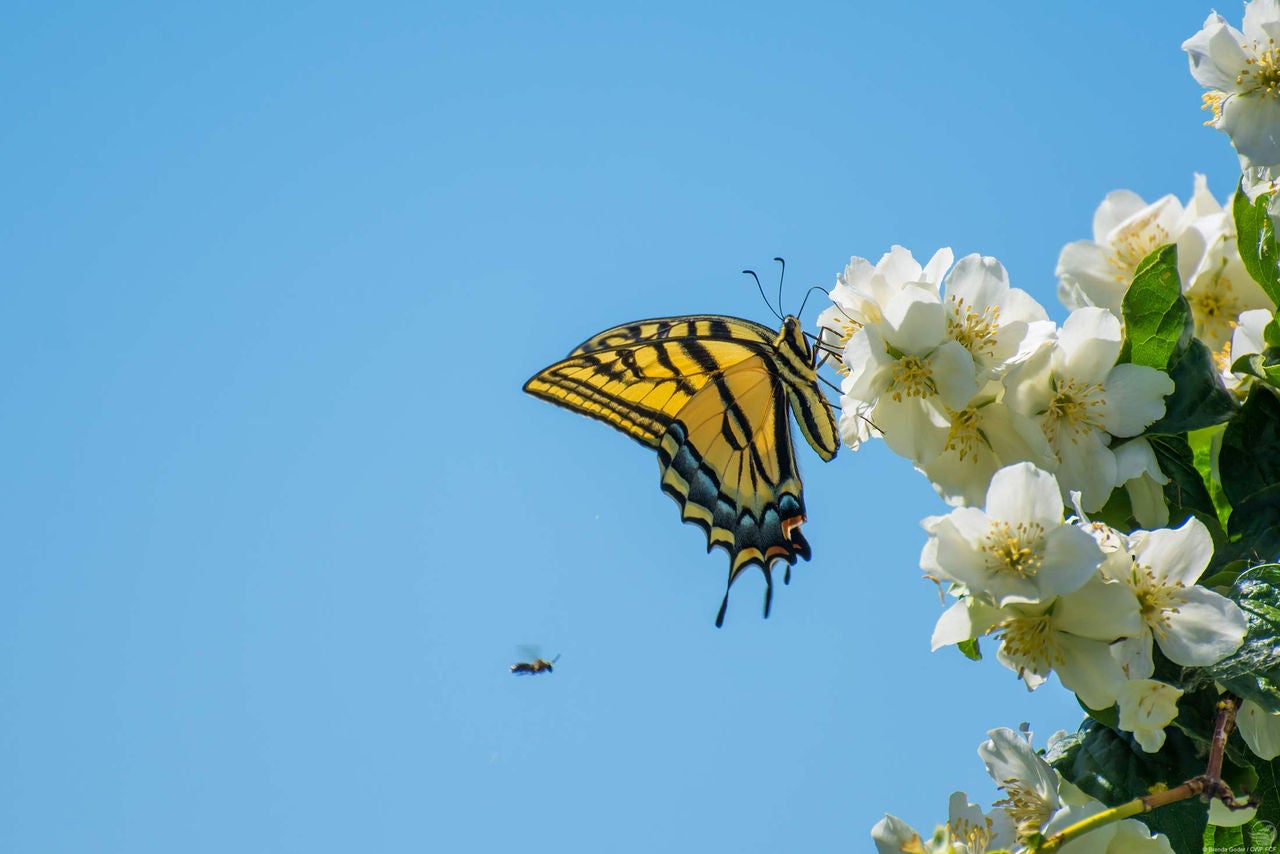
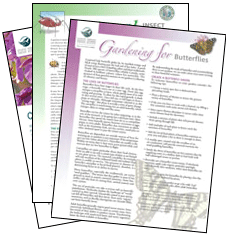
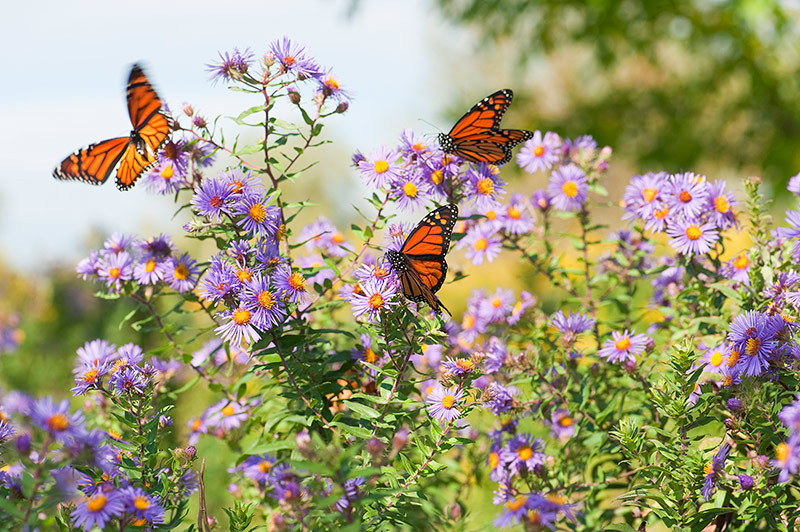
    The brilliance of our many butterflies adds beauty to any garden. The vibrant orange and black of monarchs or the dazzling tiger stripes of swallowtails add contrast among the blooms. Other species may lack some of this glamour but are welcome visitors none the less for the gentle cheer they bring.

  • Helping Canada’s Pollinators in The Garden

    2026-07-02

    Canada’s pollinators play a critical role in our ecosystems, food production and economy through pollination. Some are also important in pest control. These tiny allies face many challenges, such as pesticide use and loss of habitat, making it more important than ever to support them. A great place to start is to ensure your outdoor space is pollinator-friendly.

  • BEST PRACTICES TO HELP CONSERVE THE AMERICAN EEL

    2019-05-31

    You’ve Got an Eel on Your Reel – NOW WHAT?!

  • Wild About Birds Poster

    2026-07-02

    Learn about some of Canada's birds.

Education & Leadership

Endangered Species & Biodiversity
  • Bioblitz in a Box

    2021-09-24

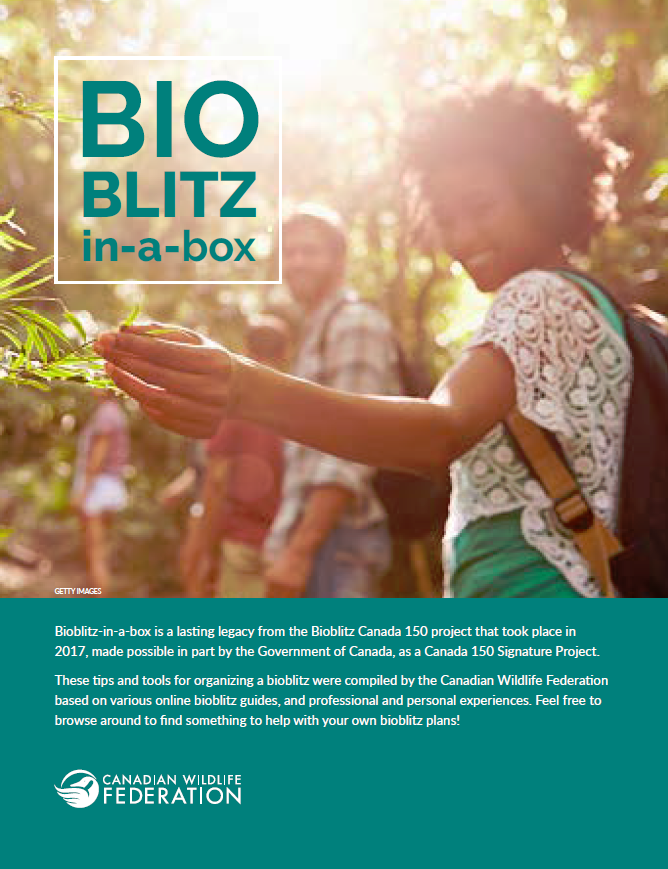
    Bioblitz-in-a-box is a lasting legacy from the Bioblitz Canada 150 project that took place in 2017, made possible in part by the Government of Canada, as a Canada 150 Signature Project. These tips and tools for organizing a bioblitz were compiled by the Canadian Wildlife Federation based on various online bioblitz guides, and professional and personal experiences. Feel free to browse around to find something to help with your own bioblitz plans!

  • Wild About Bees Poster

    2026-07-02

    Approximately one-third of all human food is prepared from plants that depend on animal pollinators — and bees make the biggest contribution. The most familiar bee is the honey bee (Apis mellifera), which was introduced from Europe almost 400 years ago. Although we may first picture the honey bee when we think of pollinators, our native bees, such as the bumble bee or the mason bee, are often actually more effective and efficient pollinators. Unlike the social honey bee, which shares labour and caretak-ing of its young, most of our native bees are solitary. This means that each female prepares her own nest, provisions it with food (nectar and pollen) for her offspring, lays her eggs and provides little further care.

  • Helping Monarchs and Pollinators: Rethinking Mowing

    2019-05-07

    Pollinators are a priority resource concern for many conservationists and farmers. The Xerces Society conducted field trials throughout the Easter, Midwestern and Western United States to inform best practices.

  • Creating Monarch and Pollinator Habitat

    2026-07-02

    Private landowners are increasingly interested in restoring areas of their property to provide improved habitat for Monarchs and other pollinators. While there is abundant information on small-scale gardening with native plants, there is much less on planting at larger scales, such as on one acre or more of land. Here is a brief introduction for landowners in southeastern Canada interested in restoring an area of an acre or more in a cost-effective way. Establishing Pollinator Meadows from Seed*, a document developed by the Xerces Society, is also available online

  • The City Nature Challenge 2023 Results

    2023-05-10

    Between April 28 and May 1, 2023, Canadians recorded observations of wildlife in their cities as part of the global City Nature Challenge. See the results at: iNaturalist.ca/projects

Forests & Fields

Lakes & Rivers

  • Microbial community changes across the Mississippi River

    2015-10-27

    Dr. Cameron Thrash returns to the OAR Northwest Education webinar this season to discuss microbial community composition changes across river tributaries, and its effects on the Mississippi River and greater communities. Early findings are derived from wet samples taken by last year’s expedition crew during Adventure: Mississippi River 2014.

  • We're Halfway There!

    2014-10-23

    Our third Adventure Mississippi webinar finds the OAR Northwest team in St. Louis, Missouri after six weeks on the Mississippi River. The Adobe Connect webinar, hosted by CWF Education Manager Randy McLeod, is a great opportunity for students and teachers to connect with the crew and learn more about the canoeing and rowing expedition. Download related lesson plans here.

  • Invasive Species: Something Fishy in Canada’s Lakes & Rivers

    2020-05-16

    Grades 2-9, Science, Animals, Environmental Stewardship Join the Canadian Wildlife Federation (CWF) and the Centre for Global Education as we investigate what's happening in Canadian rivers and oceans. Our conversation will cover the roles of different species, how invasive species impacts local ecology, and what we can do to better support at-risk habitats.

  • Community Science in Action: iNaturalist Case Study with Adopt-A-Pond

    2024-09-26

    Join the Canadian Wildlife Federation (CWF) for an insightful webinar that showcases how iNaturalist can be a powerful tool for citizen science programs. This session will highlight the Adopt-A-Pond (AAP) program by the Toronto Zoo as a case study, demonstrating the practical application of iNaturalist in conservation efforts. During this webinar we will guide you through the essential features of iNaturalist, using real-world examples from the Adopt-A-Pond program. You'll learn how iNaturalist supports environmental monitoring, enhances data collection, and contributes to research and conservation. Whether you're a seasoned user or new to the platform, this webinar will provide valuable insights and tips for using the iNaturalist app and website effectively. Don’t miss this opportunity to see how iNaturalist can elevate your citizen science initiatives!

  • iNaturalist CSI: Turtles

    2022-05-24

    Join the Canadian Wildlife Federation (CWF) for a webinar in our Canadian Species Identification Webinar Series, demonstrating how to photograph and identify turtles using iNaturalist Canada, with CWF’s very own turtle expert David Seburn in English and CWF’s Annie Belair in French. Freshwater turtles are in decline throughout Canada. CWF’s HelpTheTurtles.ca initiative is working to change this but we need your help! Knowing where turtles are found is an important first step to fixing the problem. Tallying everyone's observations will help us target which roads we need to look at for mitigation measures and which wetlands we need to keep an eye on. By uploading your turtle sightings to iNaturalist.ca, you can directly contribute to turtle conservation. iNaturalist has become one of the world’s most popular nature apps and the Canadian Wildlife Federation has led the charge in bringing it to the forefront of Canadian citizen science. CWF is carrying out our own surveys on roads and in wetlands for at-risk turtles and working with Scales Nature Park, but we can't be everywhere. Your information is critical so we can work with municipalities and transport agencies to reduce the risks to turtles. Learn how to identify turtle species and take identifiable photos of turtles to help us, help them! English Webinar Date: May 24, 2022, 12:00-1:00 ET French Webinar Date: May 26, 2022, 12:00-1:00 ET