



-
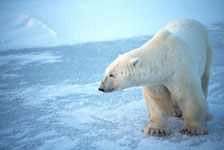 Be Cool... Stay Cool
Be Cool... Stay Cool
A role-playing activity about the effect of the changing environment on people and wildlife in Canada's North.
More
-
Make a Green Plan for Wildlife
2026-07-24
From caribou to robins to butterflies, a host of creatures will respond to your planting plan if it includes the habitat components they need for survival.
-
Make a World of Difference
2026-07-24
In many parts of the world, we’re using resources faster than they can be replenished. To stop this, we must start now to manage the planet’s resources so that they can continue to keep us and future generations alive. But how do we do this?
-
-
Make Way for Wild Migrants
2026-07-24
Sometimes called the lifeblood of the Earth, migration is like a vast circulation system that pumps blood toward the Earth's poles in spring and back toward the equator in fall.
-
Make Your Project Happen
2026-07-24
Creating habitat for migrants is simple if you develop your project in stages and if it is driven by student initiative.
-
Making Maps for Birds
2026-07-24
There are endless ways to make maps that will help our feathered friends as well as help students learn about them.
-
Map that Habitat
2026-07-24
Students select an area to map with birds in mind. They will map bird-friendly physical features, such as cavity nesting trees, food sources, sheltering trees, and water, as well as threats such as cats, pesticide-treated grass, and polluted water.
-
Microhabitat Projects
2026-07-24
With a little planning, physically and mentally challenged students can help bring habitat back to health.
-
Mighty Migrators
2026-07-24
Students draw murals showing caribou migration routes and the possible consequences of a pipeline being laid across the route.
-
Migrators
2026-07-24
Students discuss various ways in which birds have adapted to winter, with emphasis on migration. Students will choose several migrators common to their area, then draw maps or murals tracing the migration routes.